Discover our diverse collection of animals from around the world. Each animal has its own unique story and characteristics that make them special members of our mobile zoo family.
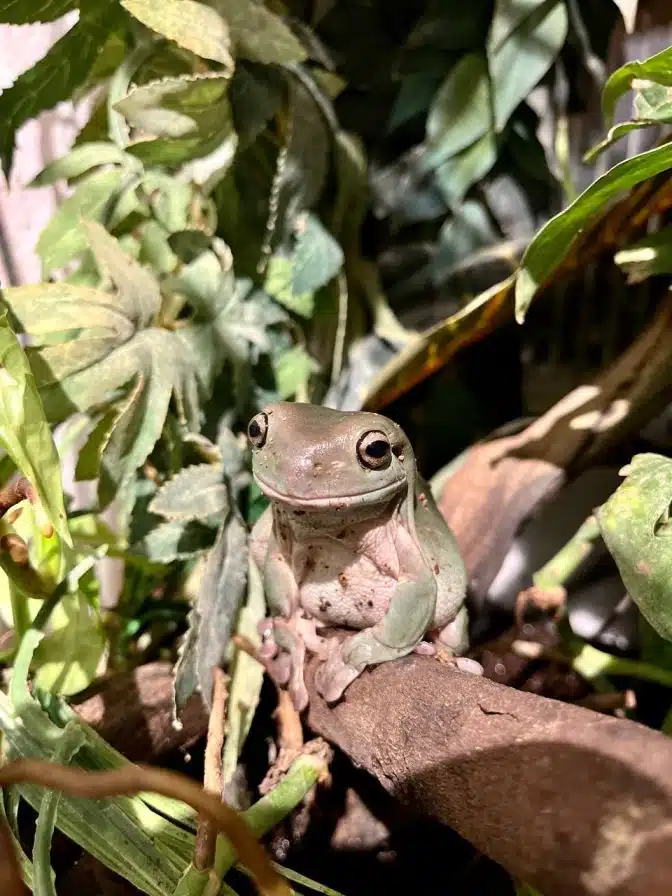
Animals classified as amphibians (scientific class Amphibia) are known for living both in water and on land during different stages of their lives. Amphibians are cold-blooded vertebrates and typically begin life as larvae in water, breathing through gills, before developing lungs as adults. Their moist, permeable skin helps with breathing and makes them highly sensitive to environmental changes.
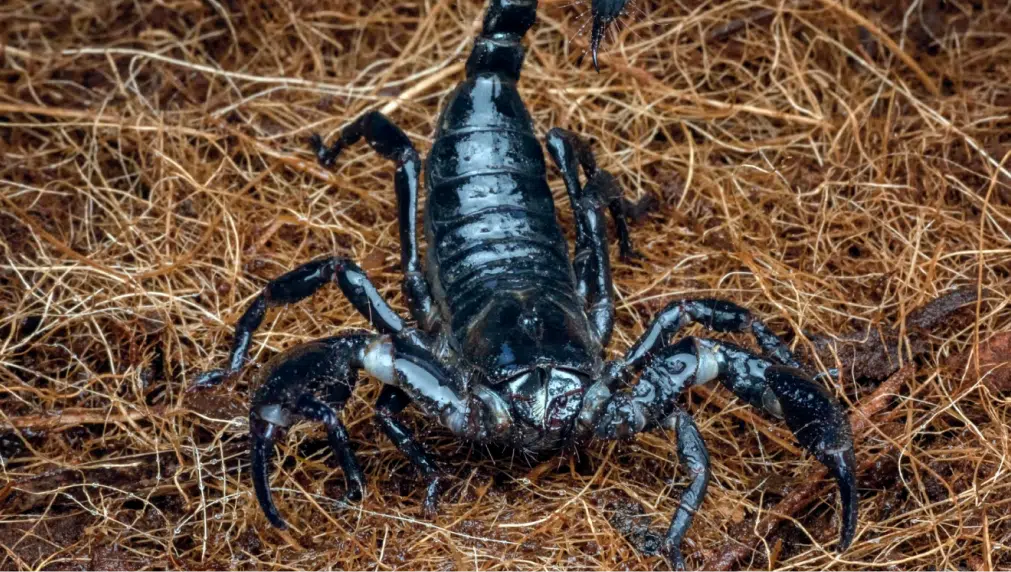
Invertebrates are animals without a backbone or bony skeleton. They range in size from microscopic mites and almost invisible flies to giant squid with football-size eyes. They may have an incomplete or a complete digestive system and vary in how they move and in the complexity of their nervous system.

Some of the key features that define Mammals are a combination of fur and mammary glands. Some of the largest animals that have ever existed have been mammals. The most intelligent animals in the world are mammals, including humans
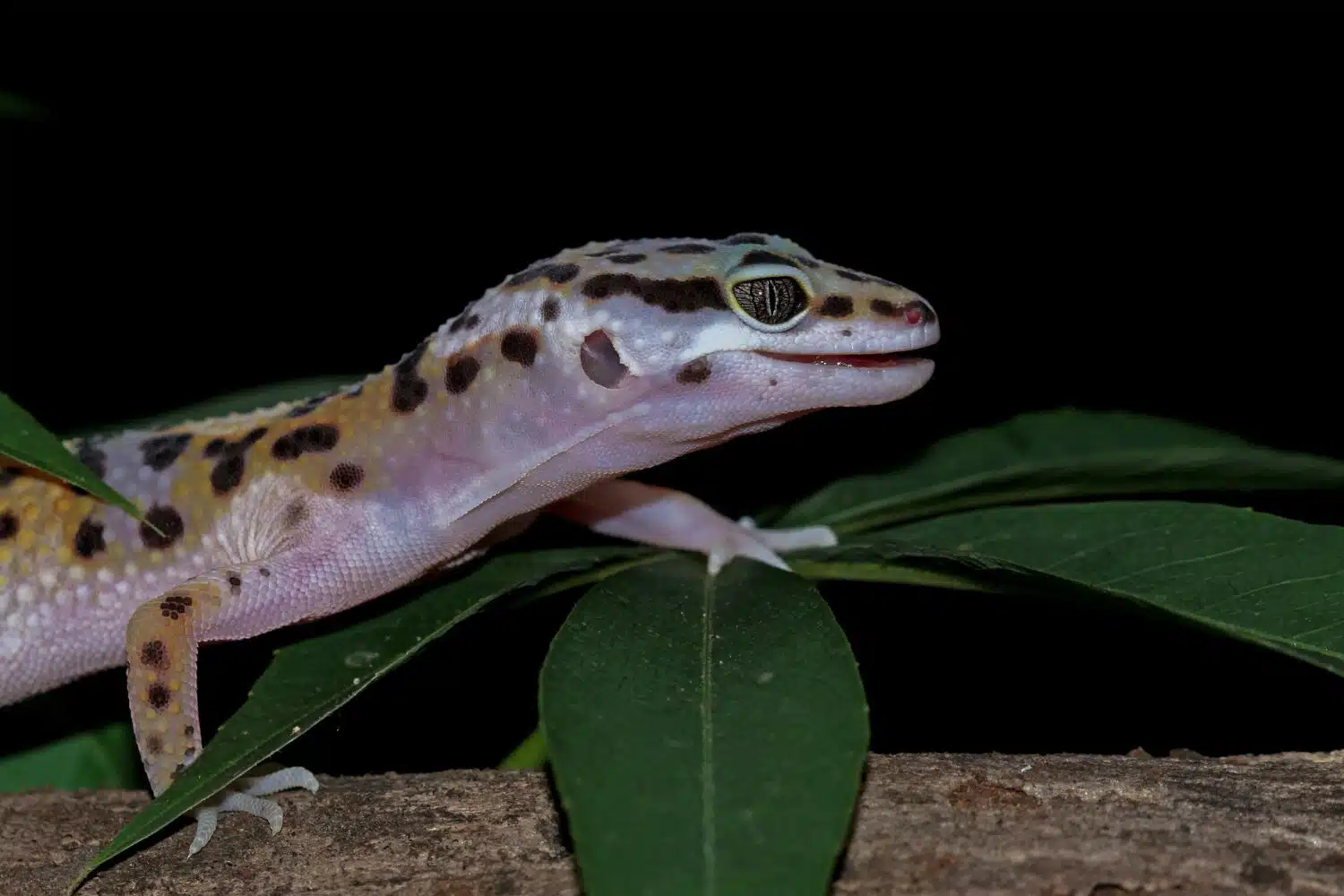
Animals classified as reptiles (scientific class Reptilia) are distinguished by several key characteristics. Reptiles belong to the taxonomic group of animals known as vertebrates, and they are cold-blooded, meaning they can’t regulate their own body temperature—their blood temperature matches the temperature of the environment.
© All rights reserved Wild Science LTD, Company number 11643954, Registered in the UK