



British Science Week is one of the most exciting events in the UK education calendar. Organised by the British Science Association, this ten day celebration of science, technology, engineering and mathematics (STEM) encourages schools, organisations, teachers, and families to come together in a nationwide celebration of discovery.
For many young learners, science week is more than just another themed event. It becomes the moment where curiosity turns into confidence, and questions turn into exploration. Through hands-on learning, engaging workshops, and interactive experiments, students begin to see that science is not just a subject - it is part of their daily lives and their future.
As British Science Week 2026 approaches with the theme “Curiosity: what’s your question?”, Wild Science workshops will once again play a powerful role in inspiring the next generation.
Why British Science Week Matters
Children are naturally curious. They ask why the sky changes colour, how animals survive in different habitats, and what makes magnets attract. British Science Week provides a fantastic opportunity to nurture that curiosity rather than silence it.
The British Science Association supports schools with free activity packs and full activity packs filled with fun and educational activities. These resources allow teachers to explore STEM subjects in creative ways. But when workshops are added to the celebration, something special happens.
Instead of simply reading about scientific concepts, students experience them.
- They build.
- They test.
- They experiment.
- They discover answers for themselves.
This shift from passive learning to active exploration is what truly inspires young minds.
Hands-On Learning Builds Real Understanding
Hands on experience is at the heart of every successful science workshop. When students learn by doing, they understand concepts more deeply and remember them longer.
During British Science Week, science workshops for schools often connect science to the real world. A chemistry experiment might demonstrate states of matter using everyday materials. An engineering challenge might require teams to design structures that can support weight. A biology session might explore animal adaptations and how living things adapt and change and ecosystems.
When science is presented in an engaging and practical way, students do not just memorise facts. They develop problem-solving skills and build confidence, gradually seeing how science, technology, engineering, and mathematics shape the world around them.
This is especially important as STEM subjects continue to grow in importance across the UK. Engaging classroom science experiments for kids show how early exposure helps young people imagine themselves in those roles.
Click here to book British science week workshops with Wild science
Sparking Curiosity Through Inquiry
The theme for British Science Week 2026, “Curiosity: what’s your question?”, perfectly reflects how science workshops inspire learning.
Rather than giving students ready-made answers, effective workshops encourage them to ask their own questions. Why did that reaction happen? What would change if we adjusted the variables? How does this connect to nature or technology?
This inquiry-based approach supports critical thinking and develops a growth mindset. Students learn that mistakes are part of discovery. They learn that science is not about being perfect. It is about exploration.
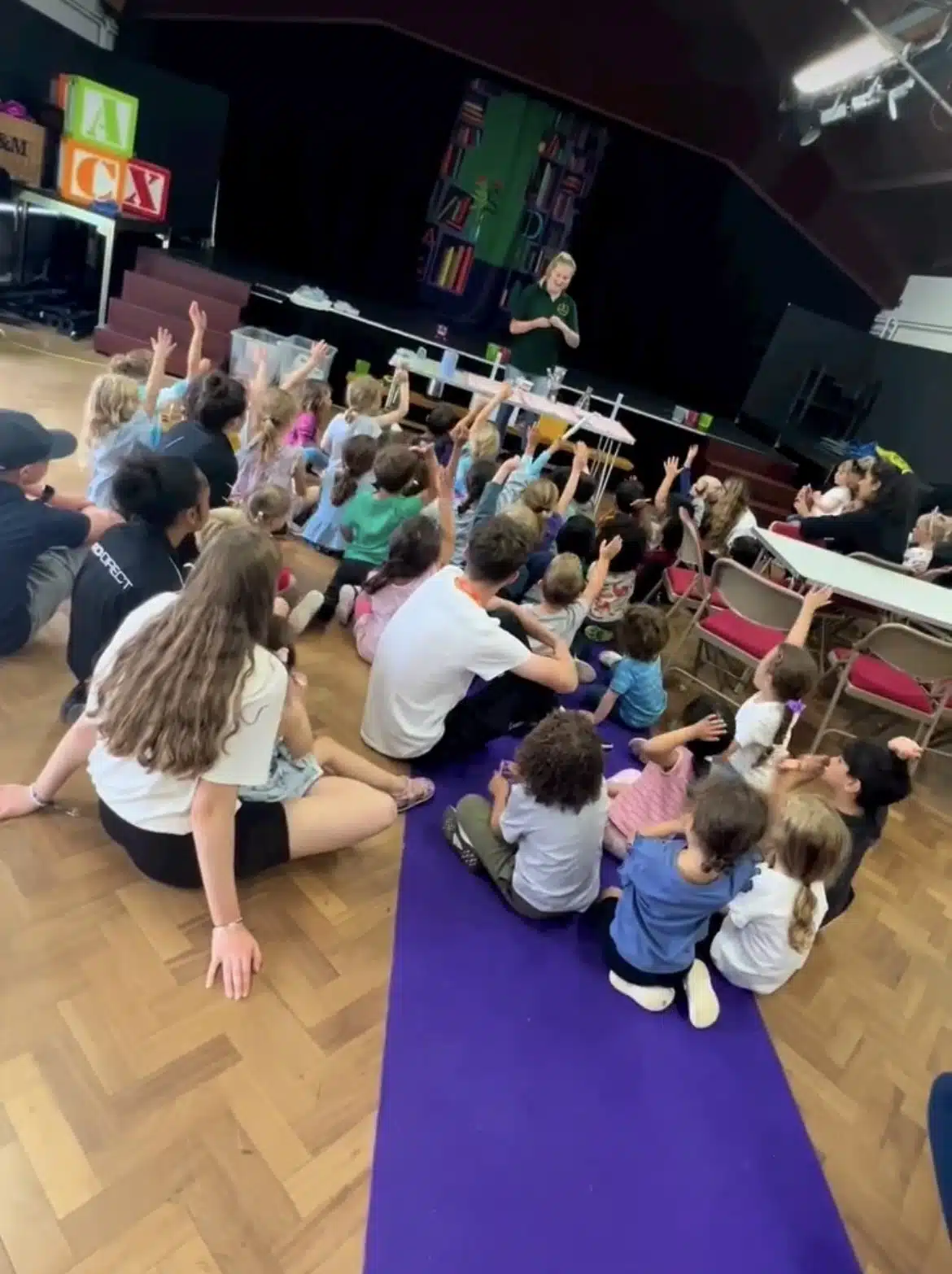
Workshops also create a relaxed and positive atmosphere. Interactive sessions remove the pressure often associated with traditional lessons. Students who may not usually speak up in class feel more comfortable participating.
Science becomes accessible. It becomes exciting. Most importantly, it becomes something for everyone.
The Power of Animal Encounters During Science Week
One particularly powerful way to inspire young scientists is by combining experiments with animal encounters.
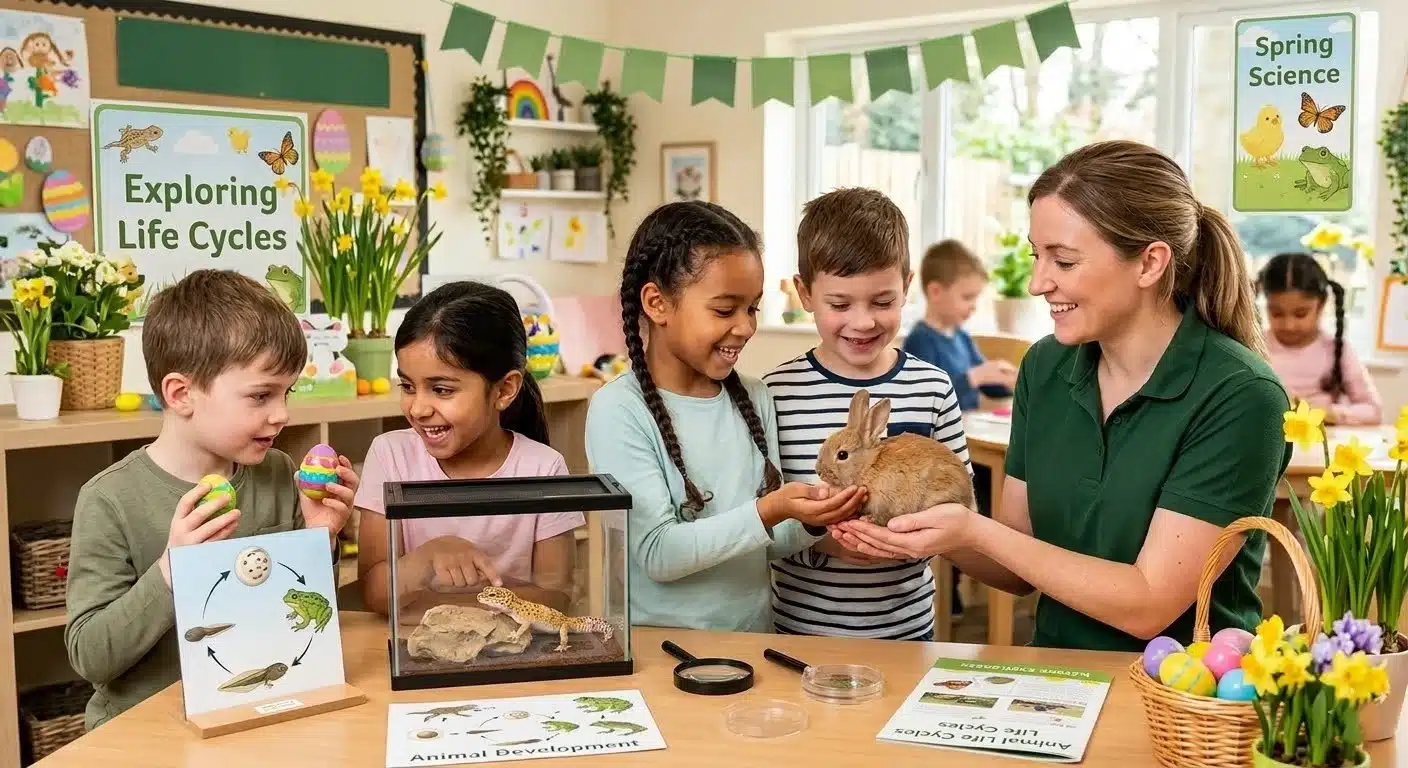
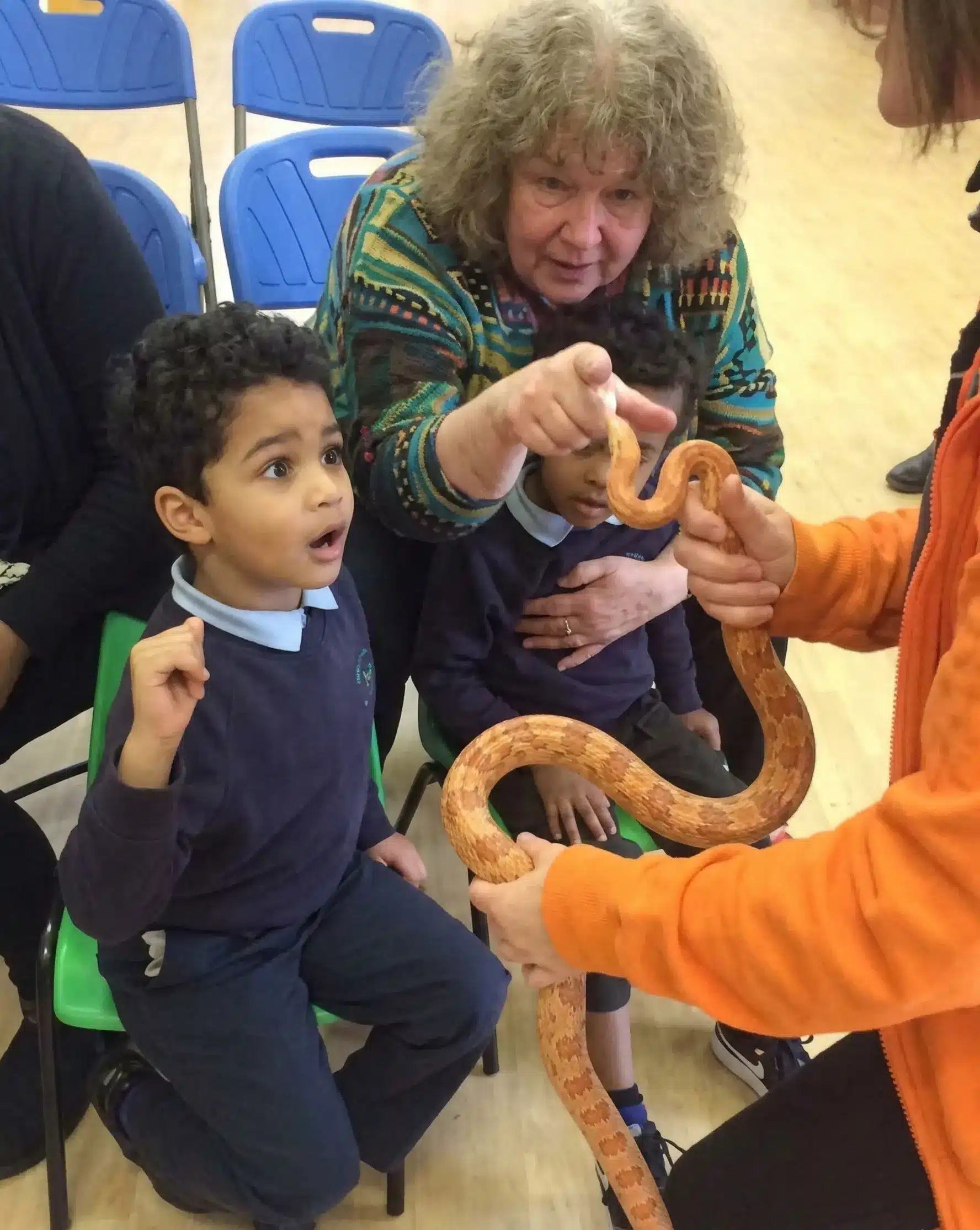
Animal handling experiences create a deeper connection to the natural world. When students meet reptiles, amphibians, or small mammals, they learn about habitats, life cycles, diets, and adaptations in a way that feels personal, and animal encounter workshops help children learn biology in ways traditional lessons cannot.
- They see how ecosystems function.
- They understand conservation.
- They connect biology to real living creatures through interactive educational science programmes.
Animal encounters also help students overcome fears and develop empathy. Meeting an animal close up can transform hesitation into fascination. That emotional connection often leads to a lifelong interest in science and nature.
When science connects to living things, it feels real. School visits such as animal encounters in Birmingham and beyond make that connection tangible. And when it feels real, it inspires.
Encouraging the Next Generation in STEM
British Science Week encourages teamwork, curiosity, and a love of learning. It also challenges outdated ideas about who belongs in science.
Programs like the CREST Awards support a diverse and inclusive approach to STEM. They encourage a 50/50 gender balance and show young people that science is for everyone, not just a select few.
When students meet scientists, STEM ambassadors, or knowledgeable workshop leaders, they begin to visualise themselves in those roles. Representation builds belief. Belief builds ambition.
Science workshops do more than teach content. Materials science activities that explore properties and sustainability show how everyday objects link to bigger scientific ideas. They shape the future by showing young people what is possible.
Developing Skills Beyond the Classroom
Science workshops during science week also support essential life skills, whether through curriculum-linked sessions or festive science workshops in the UK that keep pupils engaged later in the year.
Students practise teamwork as they collaborate on challenges. They strengthen communication skills by sharing ideas and explaining observations. They develop resilience when experiments do not go as planned.
These experiences build confidence. They also support wellbeing by creating shared positive moments of discovery.
For many students, British Science Week becomes the highlight of the term. It transforms the classroom into a centre of exploration and enthusiasm.
Making Science Relevant to Daily Life
One of the biggest challenges in teaching STEM subjects is helping students see relevance.
Workshops often use real-world examples to demonstrate how science affects everyday life. From engineering in bridges and buildings to chemistry in cooking and cleaning, students begin to understand that science is not distant or abstract, and that fun, informal events such as a science birthday party in London or an interactive science party in Manchester can be just as educational.
It is everywhere.
When students realise that science influences the technology they use, the environment they live in, and even the food they eat, their understanding deepens.
This relevance is what turns a week-long celebration into lasting impact.
The Lasting Impact of British Science Week
The true success of British Science Week is not measured in how many experiments are completed. It is measured in how many young minds are inspired.
When students leave a workshop excited, asking more questions than before, something powerful has happened. Curiosity has been sparked. Confidence has grown. Enthusiasm has been created.
Those moments shape attitudes toward learning. They influence subject choices. They sometimes even influence career paths.
British Science Week provides a platform. Science workshops provide the spark.
Together, they help shape a generation that is curious, confident, and ready to explore the world.
Click here to Book British science week 2026 workshops with Wild science