



Mysterious World of Nocturnal Animals
As the sun goes down and most things go silent…an intriguing world is just waiting to rise — a world of night animals. These creatures have evolved to survive in darkness. These nocturnal animals rely on strengthened senses and unique behaviours to navigate their environments and hunt for food.
Today, we take you on a journey into the world of nocturnal animals, their lives and adaptations, and why many animals prefer to come out at night.
Have you ever wondered about the stealthy owls that glide through the trees, or even better yet, the bats that hunt insects in the dark? So, this exploration of nocturnal creatures will leave you in awe.
What is Nocturnal, Diurnal & Crepuscular?
Nocturnal animals are species that are primarily active at night. They have many different adaptations that enable them to live in darkness, meaning they do not compete with organisms living during the day or get eaten too quickly.
For example, owls have excellent night vision and silent flight, making them formidable hunters in the dark. Bats, another well-known nocturnal animal, use echolocation to hunt insects and navigate through the night sky.
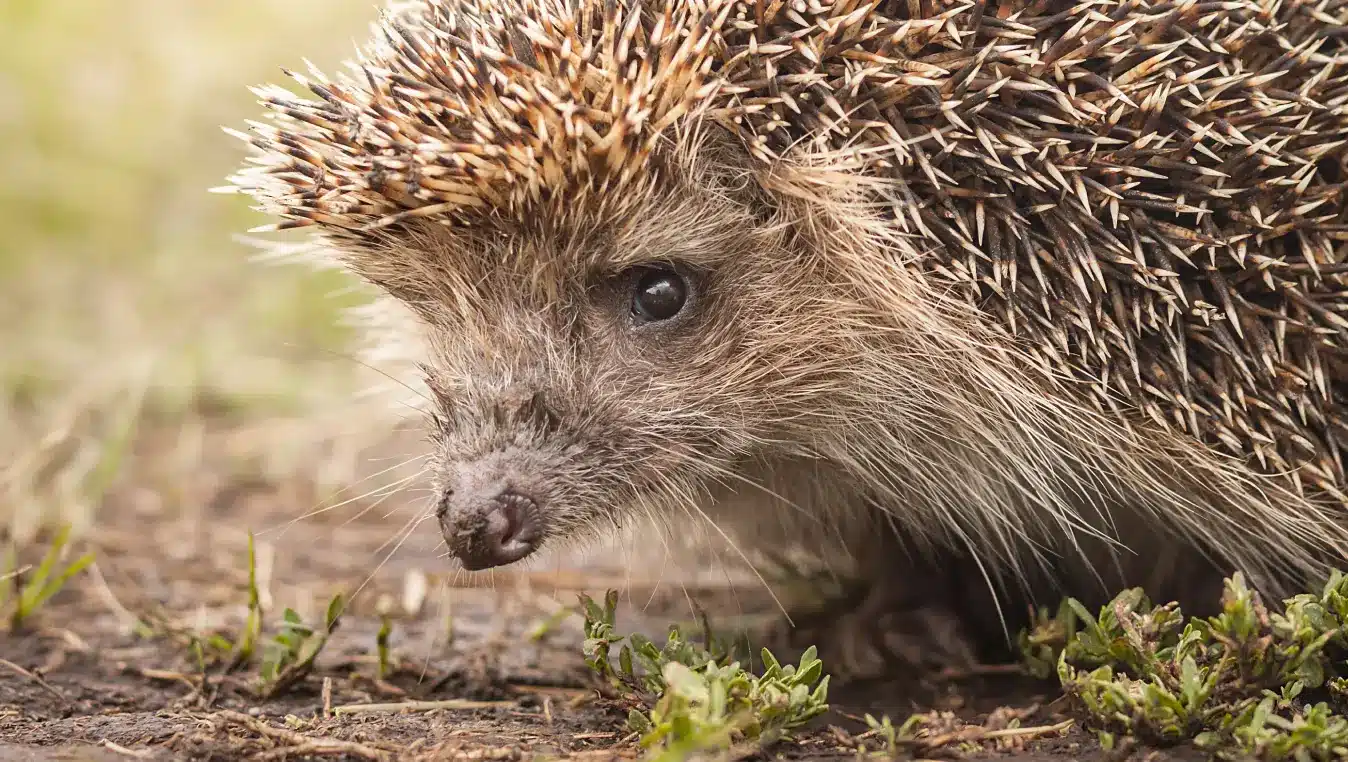
Many nocturnal animals, such as hedgehogs, rely on their sense of smell and hearing to find food and avoid danger.
Meet Your Favourite Nocturnal Animal
Adaptations of Nocturnal Animals
The success of nocturnal animals lies in their remarkable adaptations. It is possible for owls to see in almost total darkness because their large eyes gather more light. Leopards, another nocturnal predator, possess incredible stealth and strength, making them efficient hunters of prey like deer and smaller mammals. Bats are masters of the night, using echolocation to detect their prey even in complete darkness.
Additionally, many nocturnal animals have developed other senses to compensate for the lack of light. For example, spiders use vibrations to detect prey caught in their webs, while raccoons have a keen sense of touch that helps them find food in the dark.
Nocturnal animals often have heightened senses that allow them to navigate, hunt, and communicate in their nighttime world.
Why Do Animals Become Nocturnal?
Animals benefit from nocturnality in numerous ways. There are hundreds of species on the planet that have transitioned from diurnal activity to nocturnal behaviors, partly due to the fact that it helps them in eluding predators. Additionally, the cover of darkness provides a strategic advantage for hunting prey, as many diurnal animals are sleeping and less vigilant at night.
One reason is reduced competition for food, as most predators sleep at night. Since there is less competition with other species at night, nocturnal animals can take advantage of food sources which would be impractical (or dangerous) for diurnally-adapted creatures. This adaption is especially useful in food-limited environments or when there's heavy competition for resources.
Ready To Learn Food Chain/ Food Web Cycle
Examples of Nocturnal Animals
- Owls: These silent night hunters use their sharp talons and excellent night vision to catch small mammals, birds, or insects.
- Bat: Bats are the biggest group of flying mammals who hunt insects precisely in darkness using sonar (echolocation).
- Hedgehogs: Hedgehogs are well known for their spiky appearance, they hunt at night and eat worms, insects as well as some small vertebrates.
- Leopards: where stealthy meets strength, leopards are particularly fond of hunting at night, which means that they get included in the list of top nocturnal predators in their habitats.
- Raccoons: These brilliant animals work their magic under the veil of darkness. Many times, they are seen in human-populated areas where these scavengers explore for food with their nimble paws.
Ready To Learn More About Nocturnal Animals
Threats Facing Nocturnal Animals
Despite their adaptations, many nocturnal animals face significant threats due to human activities. Habitat destruction, light pollution, and climate change are among the challenges these animals must navigate. Artificial lighting, for example, can interfere with the natural behaviours of nocturnal species, disrupting their hunting and breeding patterns.
Additionally, the destruction of natural habitats forces nocturnal animals to come into closer contact with humans, often leading to conflicts. Endangered species like certain bats and leopards are particularly vulnerable, as their already limited populations face increasing pressure from these threats.
For more information about nocturnal animals and how you can experience them up close, check out our Animal Encounters and Science Workshops.
We offer exciting opportunities to learn about and interact with these fascinating nocturnal animals in a safe and educational environment.