



Easy Experiments for Preschoolers
Are you a parent or teacher of preschoolers looking for easy, fun, and educational science experiments? This guide is designed just for you! Science experiments for preschoolers are hands-on activities that help young children learn and develop important skills such as creativity, problem-solving, and critical thinking. These activities matter because they provide a foundation for understanding the world and spark curiosity in children from an early age.
Science experiments for preschoolers can be structured to motivate interest and present uncomplicated ideas in science, making them perfect for little learners. Simple science experiments can be conducted at home using ordinary items, making them accessible for preschoolers and easy for parents and teachers to set up. Hands-on science activities help preschoolers develop a good relationship with science by making concepts fun and tangible.
In this article, you'll find a collection of easy, fun, and educational science experiments for preschoolers that you can try at home or in the classroom. These activities are designed to be engaging, safe, and simple, ensuring that every child can participate and enjoy the wonders of science.
Why Science Experiments Are Good for Preschool Kids
Since the world encompasses so many things, even children whose minds are still developing will still have some urge to explore. Science projects are one of the best methods that can be used to encourage and fulfil this need.
Children in preschool love to be active. Therefore, engaging them in science activities for preschool helps to promote skills like creativity, problem-solving, and critical thinking.
When children participate in these kinds of simple science experiments, it is not just an enjoyable activity, but rather it is a stepping stone into more serious education work in the future.
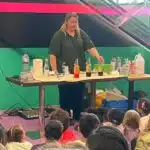
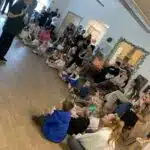
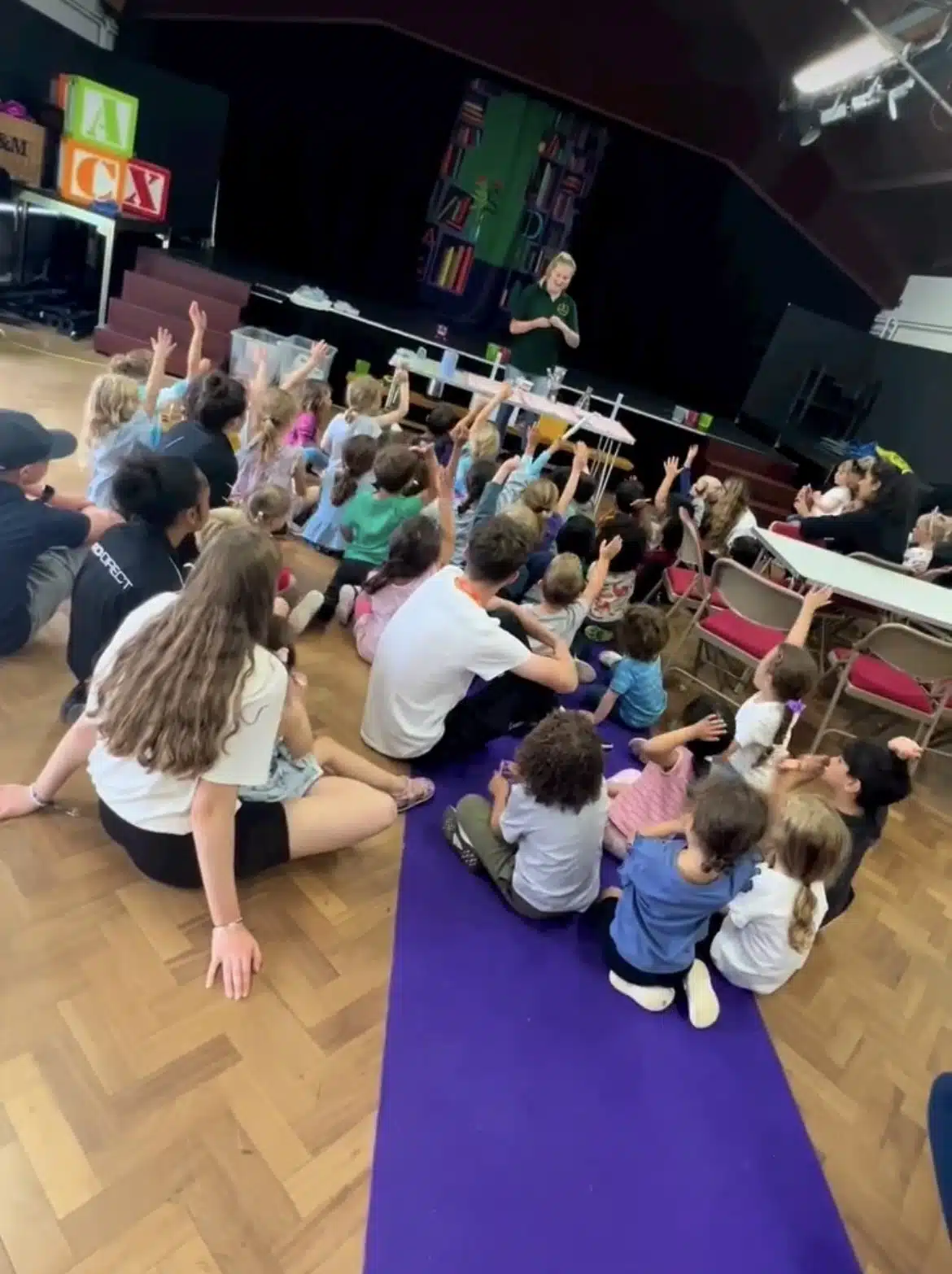
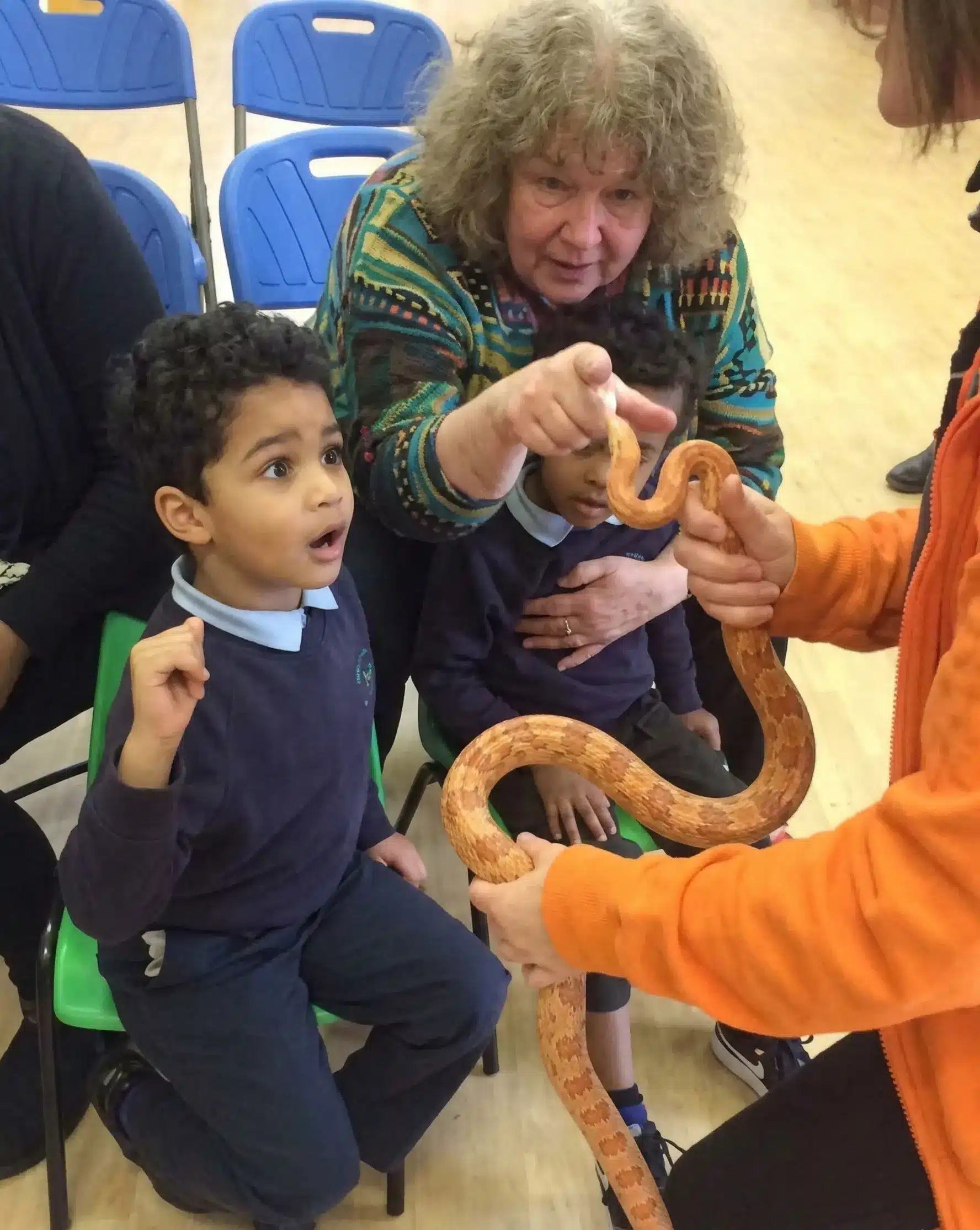
Tip: If you are a parent and you feel your child is too young to participate, do not worry – at Wild Science we carry out hands-on science workshop sessions suitable for all children including preschoolers! You can visit our website to see what we offer.
Easy Science Experiments for Preschoolers
In this section, you'll discover some great preschool science experiments that are so easy to do and very entertaining for preschool children. These simple science experiments can be conducted at home using ordinary items, making them accessible for preschoolers. Science experiments for preschoolers are activities that are structured to motivate interest and present uncomplicated ideas in science. Hands-on science activities help preschoolers develop a good relationship with science by making concepts fun and tangible.
Rainbow Milk Experiment
This colorful experiment will fascinate your little ones with how quickly colors spread across the surface of the milk.
What You Need:
- Milk (whole or 2%)
- Food coloring (various colors)
- Dish soap
- Cotton swab
Steps:
- Pour the milk into a shallow dish.
- Add drops of food coloring in different areas of the milk.
- Dip the cotton swab into dish soap and then touch the surface of the milk.
- Watch the colors swirl and mix to create a rainbow effect!
This is a great way to introduce the concept of chemical reactions to preschoolers. They’ll love watching how the colors move and change as a result of the soap breaking down the fats in the milk.
Baking Soda Volcano
This is an evergreen experiment for school aged children and is a must try for every child! It’s very useful for demonstrating basic chemical reactions using simple items which can be found within the house.
What You Need:
- Baking soda
- Vinegar
- Dish soap
- Food coloring
- A small container (like a plastic cup)
Steps:
- Place the small container on a tray or outside for easy cleanup.
- Fill it with a few tablespoons of baking soda.
- Add a drop or two of food coloring and dish soap.
- Pour vinegar into the container and watch as it fizzes up like a volcano!
This straightforward experiment will surely wow your preschoolers, and it’s an in-depth exercise that will help prompt their interest in chemistry.
Fun Science Experiments for Kids at Home
Who says that science is a subject that can only be found in classrooms! These at-home science activities, and experiments for kids are not only informative but are also a nice way of interacting with your kids, and igniting their imaginations.
Dancing Raisins
This is about a fun science experiment that does not require a lot of materials, is simple and quick to assemble, and creates an amazing effect that takes a few common ingredients from the kitchen.
What You Need:
- Clear carbonated soda (like Sprite or club soda)
- A few raisins
Steps:
- Pour the soda into a clear glass.
- Drop a few raisins into the soda.
- Watch as the raisins start to rise and fall in the glass, appearing to “dance”!
As the raisins reach the surface, the bubbles pop and allow the raisins to rise to the surface. These are amazing ways that can simplify the idea of density for your child.
Density Column Science Experiment
The density column experiment is a great way to teach young children the principles of density and buoyancy. In this science experiment we are going to make, a wonderful abdominal colourful column employing liquids of various densities, namely vegetable oil, corn syrup and water. Children can also color liquids and find small items such as beads or pebbles and try to get them floating in various liquids and observe how density works.
What You Need:
- Vegetable oil
- Water
- Corn syrup
- Food coloring
- Small objects (beads, pebbles, etc.)
- A tall clear container or jar
Steps:
- Fill the container about 1/4 full with vegetable oil.
- Add a few drops of food coloring to the oil and mix well.
- Fill the container about 1/2 full with water.
- Add a few drops of food coloring to the water and mix well.
- Fill the container about 3/4 full with corn syrup.
- Add a few drops of food coloring to the corn syrup and mix well.
- Carefully add small objects to the container, observing how they behave in each liquid.
Discussion Points:
- Ask children to predict which objects will sink or float in each liquid.
- Discuss how the density of each liquid affects the behavior of the objects.
- Encourage children to observe and describe the colors and textures of the liquids.
This simple science experiment is a great way to introduce basic scientific concepts like density and buoyancy to preschoolers. They'll love watching the colorful layers and seeing how different objects interact with each liquid.
Ready to try some educational science activities that are perfect for the classroom? Read on!
Educational Science Activities for Preschoolers
Science experiments involving simple science concepts are also a great fit for classroom activities. Here are a couple of children’s science projects that preschool teachers can try with their students to reinforce important concepts while having fun.
Magic Ice Melting
Teach preschoolers about the power of salt with this magical ice experiment!
What You Need:
- Ice cubes
- Salt
- Food coloring
Steps:
- Place an ice cube on a tray.
- Sprinkle salt on top of the ice cube.
- Drip a few drops of food coloring onto the ice and watch the colorful rivers that form as the ice melts.
It is not only beautiful but teaches how salt makes the temperature of the ice lower and also assists in the melting. This is a good way to address science concepts associated with weather such as winter road ways or freezing temperatures.
Its not only fun but also educational, helping kids understand the properties of different materials.
Plant Growth Science Experiment
The Plant Growth Science Experiment fosters scientific skills in preschoolers by explaining them how and why do plants grow. TIn this simple science experiment, seeds are watered and fertilized under various conditions e.g., in the shade and in sunlight, to find out the conditions that promote growth It’s a hands-on activity that helps young learners understand the importance of plants and the conditions they need to thrive.
What You Need:
- Seeds (fast-growing plants like radishes or alfalfa work well)
- Soil
- Containers (small pots or cups)
- Water
- Fertilizer (optional)
- Sunlight
Steps:
- Plant seeds in each container, making sure to label each one with the conditions (e.g., “with sunlight” or “without water”).
- Place the containers in different locations, such as a sunny windowsill or a dark cupboard.
- Water and fertilize the plants as needed, observing how they grow over time.
- Encourage children to observe and record the growth of the plants, noting any differences between the conditions.
Discussion Points:
- Ask children to predict which plants will grow the fastest or strongest.
- Discuss how sunlight, water, and fertilizer affect plant growth.
- Encourage children to think about the importance of plants in our ecosystem.
This science activity for preschoolers not only teaches basic science concepts but also fosters a sense of responsibility and care for living things. Watching their plants grow will be a rewarding experience for the children.
Next, let's look at some STEM challenges that encourage creativity and problem-solving!
STEM Challenges and Activities
STEM challenges and activities are designed to encourage critical thinking, problem-solving, and creativity in preschoolers. These activities can be adapted to different age groups and can be done in small groups or as a whole class. They are a fantastic way to introduce young learners to the exciting world of Science, Technology, Engineering, and Mathematics.
Building Bridges STEM Challenge
Building bridges is a STEM challenge that preschoolers find interesting and helps them discover engineering and architecture in a fun way. This particular challenge includes making a simple bridge out of common household items like popsicle sticks or straws and spanning it over a short distance. It’s a fun way of nurturing creativity and problem-solving in little children.
What You Need:
- Popsicle sticks or straws
- Glue
- Scissors
- Tape
- A small gap or space to span (e.g., a book or a small container)
Steps:
- Challenge children to build a bridge using the materials provided.
- Encourage them to test their bridge by adding weights or small objects.
- Ask children to think about how they can improve their bridge design.
Discussion Points:
- Ask children to describe their bridge design and how it works.
- Discuss the importance of engineering and architecture in our daily lives.
- Encourage children to think about how they can apply their problem-solving skills to real-world problems.
This STEM challenge is a fantastic way to introduce preschoolers to the basics of engineering and architecture. It’s a hands-on activity that promotes critical thinking and creativity, making learning both fun and educational.
Conclusion
Science experiments for preschoolers don’t just spark curiosity – they also provide a foundation for understanding the world. These activities are more than just fun; they help children learn essential problem-solving skills, foster creativity, and teach them to observe and question the world around them. Whether you're doing science experiments at home or in the classroom, the most important thing is to make the experience enjoyable and engaging for the children.
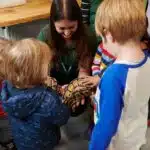
At Wild Science, we offer exciting science workshops and animal encounter events that bring science to life. Whether you're looking for a fun birthday party idea or an educational session for your school, we've got you covered. Visit our website to explore our services and contact us for more information.
Contact us to bring Wild Science’s interactive workshops to your next event, whether it’s a birthday party, school activity, or family gathering! Visit Wild Science to learn more.