

Animal Encounters as Unique Icebreakers for New College Classes
Starting a new college course can feel intimidating. Many students walk into their first class surrounded by unfamiliar faces, unsure how to connect or speak up. Traditional icebreaker activities can feel awkward, forced, or repetitive. To mitigate these types of issue Classroom animal encounters offer a refreshing alternative that creates instant engagement and shared excitement.
Scope: This article explores the use of animal encounters as icebreakers, specifically in college classes, providing practical ideas and insights for instructors and event organizers seeking to foster a welcoming and connected classroom environment.
Target Audience: College instructors, tutors, event organizers, and anyone responsible for planning student induction or enrichment activities.
Why This Approach Matters: Using Wild Science animal encounters as icebreakers is a unique, memorable, and highly effective way to build classroom community. Unlike traditional icebreakers, our animal sessions create shared excitement, reduce anxiety, and help students form genuine connections from the very first day.
What Are Classroom Animal Encounters?
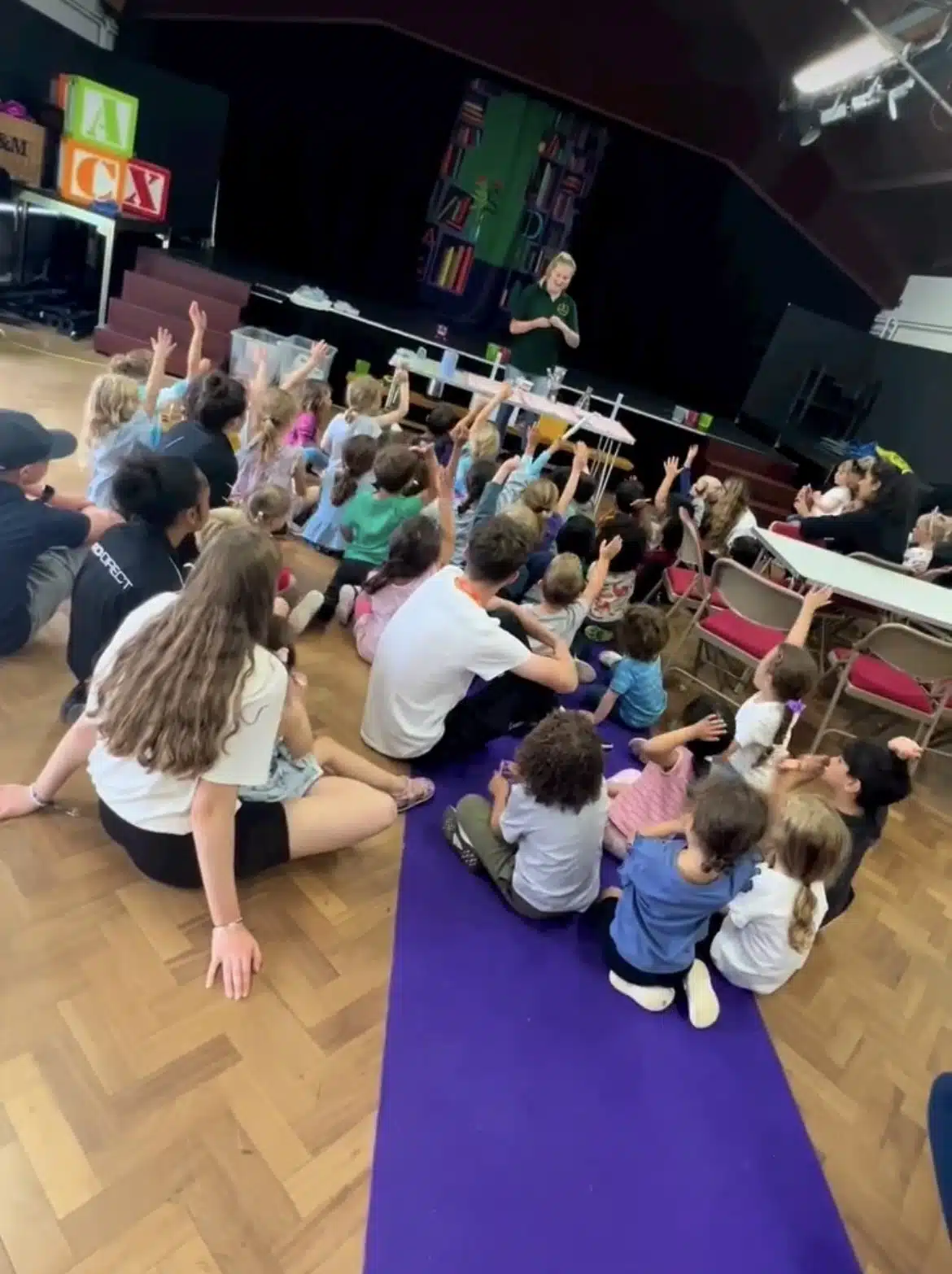
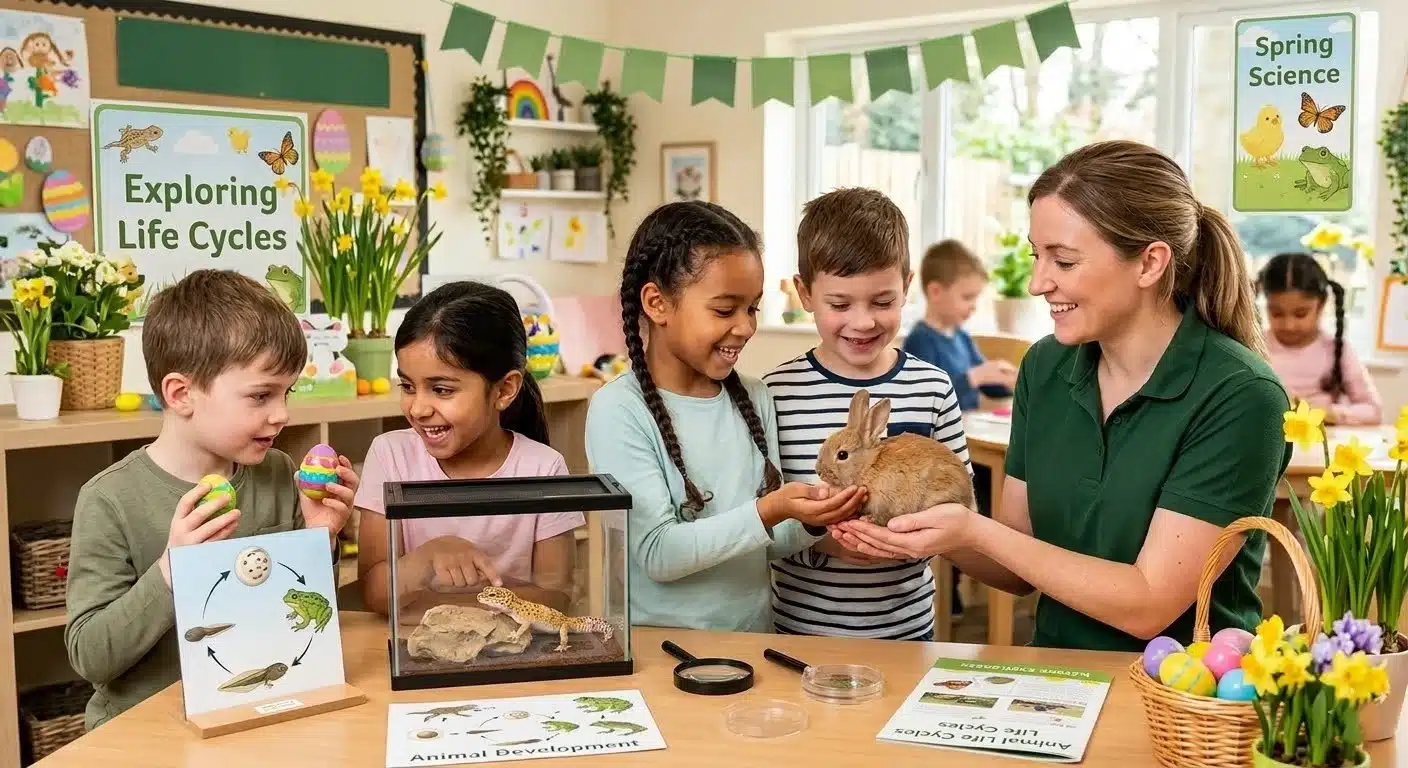
Classroom animal encounters are interactive sessions in which students meet and learn about live animals, offering educational, emotional, and social benefits. These experiences go beyond simple observation, encouraging hands-on interaction and natural conversation.
At Wild Science, animal experiences are designed as educational workshops that support students' wellbeing, learning, and social connection of all ages.
Why Classroom Animal Encounters Work Better Than Traditional Icebreakers
Animal encounters immediately shift the focus away from self-conscious introductions. Instead of asking students to talk about themselves, attention moves to the animals, creating a shared point of curiosity.
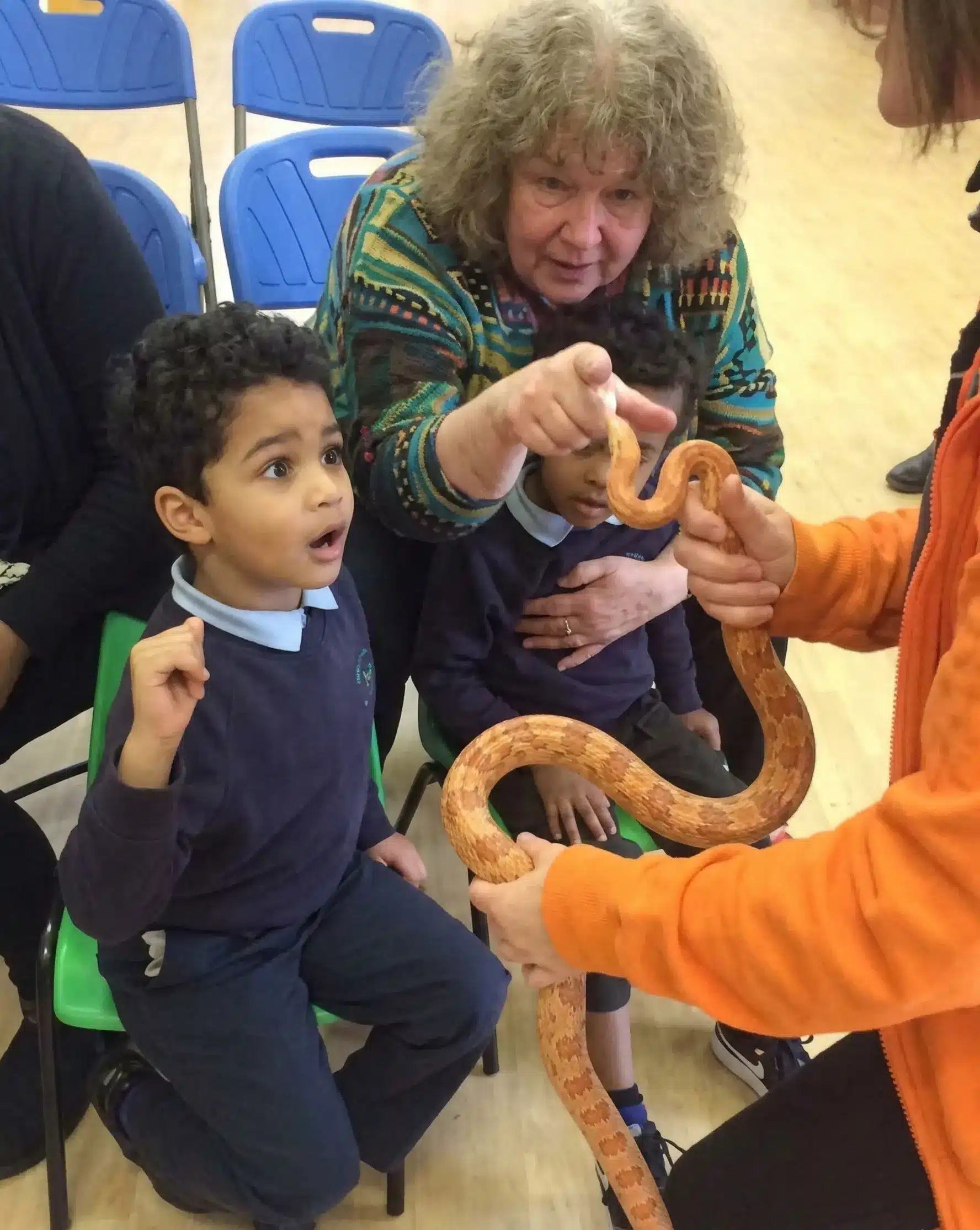
Watching a hedgehog curl into a ball, seeing a snake move calmly across a table, or observing a giant snail up close draws students into the moment. These hands-on experiences naturally spark conversation without pressure.
Students begin to:
- Ask questions
- Share fascinating facts
- Describe what they observe
- Laugh and interact without feeling singled out
This approach works especially well for students with additional needs or those who struggle with traditional social activities. The animals act as a bridge, helping students connect with each other in a secure, supportive environment.
Turning Animal Encounters Into Icebreaker Activities
Wild Science animal encounter sessions are structured to support group interaction, not just observation. Animals are integrated into carefully planned icebreaker activities that suit college, sixth form, and university settings.
Animal Introductions
Students introduce themselves by linking a personal trait to an animal they meet. For example, “I’m Sam, and I’m curious like this gecko.” This helps names and personalities stick.
Guess the Animal Fact
Students are given short facts about specific animals and work together to match them correctly. This encourages teamwork, discussion, and learning without pressure.
Group Observation Challenges
Small groups observe an animal and discuss its habitat, behaviour, or adaptations. This supports learning while building communication skills.
These activities feel natural, inclusive, and engaging, offering a unique opportunity to break the ice while supporting educational outcomes.
The Benefits for Students and Teaching Staff
Animal encounters do more than create fun moments. They establish a positive classroom atmosphere from day one.
Educational, Emotional, and Social Benefits
Incorporating animals in the classroom provides a wide range of benefits for students and teachers alike:
Educational Benefits:
- Animals help students understand biological concepts such as life cycles, animal classification, adaptations, and habitats better than textbooks.
- Direct interaction with animals reinforces learning across subjects like biology, psychology, ecology, and animal behaviour.
- Research indicates that animal encounters can lead to boosted academic performance by making lessons more memorable and engaging.
Emotional Benefits:
- Animal encounters help build confidence and wellbeing.
- Interacting with animals reduces stress, especially during the first weeks of term.
- Many students feel calmer and more confident after engaging with animals.
Social Benefits:
- Encourages teamwork and interaction among students.
- Creates shared memories that support group bonding.
- Supports significant emotional and social growth, especially for students who find social situations challenging.
For teachers and tutors, benefits include:
- Increased student participation
- Improved group dynamics
- Strong engagement from the start of the course
- A calmer, more focused learning environment
Animal-assisted learning is widely recognised for supporting mental health and engagement, particularly during transition periods such as Fresher’s Week or the start of a new academic year.
More Than Fun: Real Educational Value
Animal encounters reinforce learning across subjects such as biology, psychology, ecology, and animal behaviour. Students gain a deeper understanding of the natural world through direct interaction rather than theory alone.
Workshops can explore:
- Habitats and ecosystems
- Adaptations and survival strategies
- Animal behaviour and welfare
- Conservation and human impact on wildlife
Sessions are tailored to suit different ages, course levels, and learning goals, ensuring the experience is both educational and appropriate.
Designed for Colleges, Universities, and Adult Learners
Wild Science delivers animal encounters for:
- Colleges and sixth forms
- Universities and higher education providers
- Adult learning centres
- Care homes and community groups
Workshops are suitable for students aged six and above and are adapted to suit group size, subject focus, and learning needs. All sessions are educational and supervised. Animals are not rented out for unsupervised use, and feeding sessions are not provided.
Click here to meet our Wonderful animals
Why Colleges Choose Wild Science Educational Workshops
Wild Science is a trusted provider of animal encounters and science workshops across the UK. With more than a decade of experience, the team delivers high-quality educational sessions that prioritise safety, animal welfare, and learning impact.
Key reasons colleges book Wild Science:
- Trained, DBS-checked presenters
- Strong focus on animal welfare
- Structured, age-appropriate sessions
- Nationwide availability
- Flexible, tailored workshop design
Animals are transported in secure enclosures and introduced calmly to younger children. Only animals suitable for interaction are included, and written risk assessments are provided in advance.
Our engaging sessions support various topics in animal studies aligned with the national curriculum, giving students the opportunity to interact closely with some of our Exotic animals. It will be a memorable experience for schools and colleges students.
Supporting Wellbeing and Inclusion Through Animal Experiences
Animal interactions are proven to support emotional wellbeing. Many students feel calmer and more confident after interacting with animals, which helps them engage more openly with peers.
For students who find social situations challenging, animal encounters provide a gentle and inclusive way to participate without pressure. This makes them ideal for diverse student groups and inclusive learning environments.
Frequently Asked Question: How Is This Different From Traditional Icebreakers?
Traditional icebreakers rely on verbal participation and can feel uncomfortable for some students. Animal encounters offer a hands-on experience where interaction happens naturally.
Instead of being asked to speak, students engage through observation, curiosity, and shared discovery. This creates stronger connections and a more positive learning environment from the very first session.
The Importance of Risk Assessments for Animal Encounters
Before hosting a classroom animal encounter, it is essential to conduct thorough risk assessments. These assessments help manage potential allergies, phobias, and the risks of bites or scratches from animals. By identifying and addressing these factors in advance, colleges can ensure a safe, inclusive, and enjoyable experience for all participants.
Book an Animal Encounter for New College Classes
Don’t let the first day of term feel awkward or disconnected. Animal encounters offer a memorable, engaging way to help students connect, learn, and feel comfortable together.
Wild Science provides classroom animal encounters, enrichment workshops, and science sessions across the UK, including London and the South East.
If you’re planning:
- Course launches
- Fresher’s Week activities
- Welcome sessions
- Enrichment days
Contact Wild Science today to book an educational animal encounter that students will remember long after their first class.
👉 Get in touch to secure your preferred date and create a confident, connected learning environment from day one.