



Animal Assisted Therapy (AAT) UK
Animal assisted therapy (AAT) is a clinically recognised, goal-directed therapeutic approach. It incorporates trained animals into treatment programmes to support mental, emotional, and physical well-being. Peer-reviewed research has shown that AAT, practised across the UK in schools, hospitals, care homes, and corporate settings, reduces anxiety. Furthermore, it helps lower blood pressure, improve social interaction, and accelerate recovery from trauma.
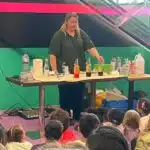
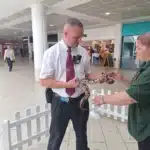
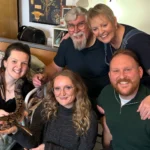
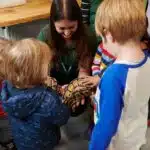
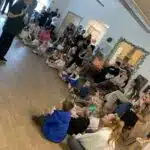
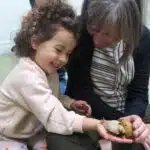
At Wild Science, we bring professional animal assisted therapy to communities across the United Kingdom. Our sessions use calm, fully trained therapy animals, including mammals, reptiles, and invertebrates. Our knowledgeable handlers deliver these to support individuals of all ages and needs.
Wild Science is a UK-based animal experience company (Company No. 11643954) operating nationwide from our head office in Beckenham, Kent. We train our animal handlers in animal welfare, safeguarding, and therapeutic interaction.
What Is Animal Assisted Therapy?
Animal assisted therapy is also referred to as pet therapy, animal assisted interventions (AAI), or human-animal interaction therapy. It is a structured, professionally supervised therapeutic method in which animals play an active role in a client's treatment plan.
In AAT sessions, a qualified therapist or occupational specialist sets clear therapeutic goals, unlike informal animal visits. Consequently, goals may include improving motor skills, reducing PTSD symptoms, building social confidence, or managing anxiety disorders.
According to the Human Animal Bond Research Institute (HABRI), over 74% of pet owners report mental health improvements from animal interaction. Research published in the journal Frontiers in Psychology found significant reductions in cortisol levels following structured AAT sessions with both children and adults.
Key Types of Animal Assisted Interventions
- AAT: Animal Assisted Therapy (AAT), which involves goal-directed, therapist-led sessions with measurable outcomes.
- AAA: Animal Assisted Activities (AAA), consisting of motivational or educational visits such as classroom animal workshops.
- AAE: Animal Assisted Education (AAE), which are structured learning experiences using animals in school curricula.
- CAP: Canine Assisted Psychotherapy - specialist dog-led therapeutic interventions for PTSD, anxiety, and depression
What Benefits Does Animal Assisted Therapy Provide?
Research consistently demonstrates that structured interaction with therapy animals produces measurable physical and psychological benefits across all age groups. Therefore, below we present the core evidence-backed benefits of AAT:
- Reduced Anxiety and Stress: Interaction with therapy animals triggers the release of oxytocin and serotonin, hormones associated with calm and well-being. This process simultaneously reduces cortisol, the stress hormone. Additionally, studies in Frontiers in Psychology and Anthrozoös confirm significant anxiety reductions following AAT sessions.
- Lower Blood Pressure and Improved Cardiovascular Health: Physical contact with calm animals has been shown to lower heart rate and blood pressure in both children and adults. This includes activities such as stroking, holding, or simply being near them to reduce physiological stress markers.
- Improved Social Skills and Communication: Individuals with autism spectrum disorder (ASD), social anxiety, or communication difficulties often respond more openly to animals than to humans. Consequently, AAT creates a safe, non-judgemental environment that encourages verbalisation, eye contact, and emotional expression.
- Support for PTSD, Trauma, and Mental Health Conditions: AAT is increasingly used as a complementary therapy alongside CBT and other clinical approaches. It is effective for post-traumatic stress disorder, depression, eating disorders, and acute anxiety. Furthermore, animals provide unconditional emotional support without verbal pressure.
- Enhanced Cognitive Functioning and Motor Skills: In paediatric and aged populations, physical interaction with animals stimulates fine motor skills. This includes activities such as feeding, grooming, or handling. Additionally, these activities improve concentration and support cognitive engagement in occupational therapy and dementia care settings.
- Increased Motivation and Self-Esteem: The responsibility and achievement associated with successful animal interaction build confidence. This is particularly beneficial for children with special educational needs (SEN), behavioural challenges, or low self-esteem.
📚Sources: Human Animal Bond Research Institute (HABRI), Frontiers in Psychology, Anthrozoös Journal, and the American Veterinary Medical Association (AVMA). Additionally, you may ask our team for a full reference list.
Who Can Benefit from Animal Assisted Therapy?
Animal assisted therapy does not limit itself to any single age group or condition. Wild Science delivers AAT programmes tailored to the specific needs of each setting:
| Setting / Group | How AAT Helps |
| Children & Young People | Social skills, emotional regulation, SEN support, confidence building |
| Schools & Educational Settings | Curriculum-linked animal workshops, engagement, reading programmes |
| Care Homes & Senior Residents | Dementia care, loneliness reduction, physical stimulation, joy |
| Mental Health Clinics | Anxiety, PTSD, depression, eating disorders - as complementary therapy |
| Corporate / Workplace | Stress relief, mental health awareness sessions, team well-being |
| Hospitals & Rehabilitation | Motor skills recovery, pain distraction, emotional support for patients |
| Community & Charity Events | Public engagement, outreach, accessible therapeutic activity |
Animal Assisted Therapy Services from Wild Science Across the UK
Wild Science is one of the UK's leading providers of animal assisted therapy experiences and educational animal encounters. Furthermore, we bring professionally handled, welfare-approved therapy animals directly to your location nationwide.
We tailor every session to meet the therapeutic, educational, or well-being goals of your organization. Trained zoologists regularly health-check and care for our animals. Additionally, experienced professionals who have passed DBS checks handle them.
Our Therapy Animals
We use a carefully curated range of animals chosen for their calm temperament, safety record, and suitability for therapeutic interaction:
- Mammals: Rabbits, guinea pigs, hedgehogs, ferrets, and rats. These species are ideal for gentle handling and tactile therapy.
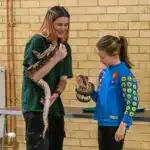
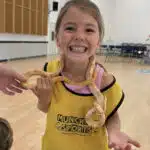
- Reptiles: Bearded dragons, geckos, and corn snakes. These animals are excellent for sensory exploration and overcoming fears.
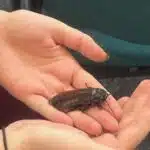
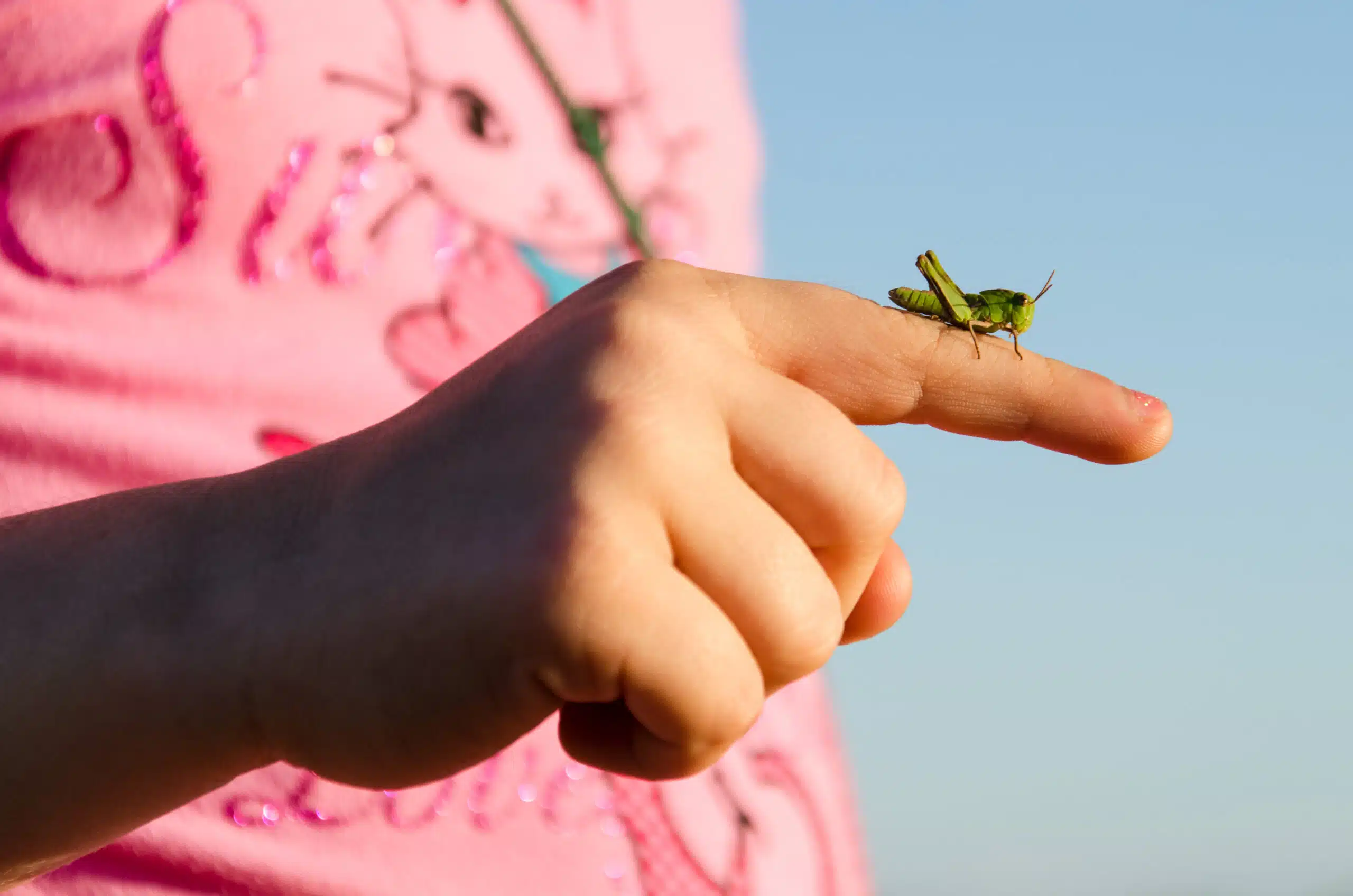
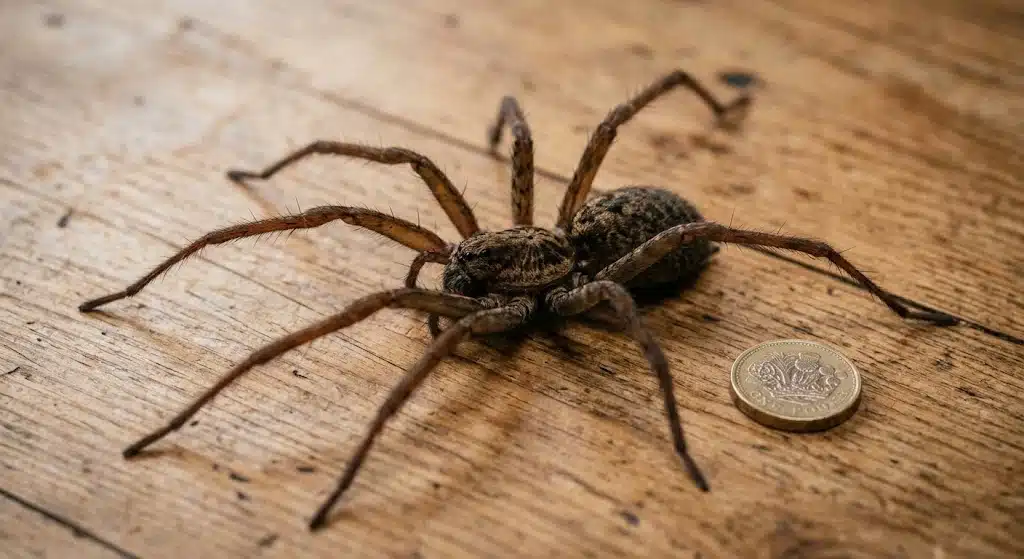
- Invertebrates: Giant African land snails, stick insects, and millipedes. These options are low-allergen and fascinating for all ages.
- Amphibians:Educators and therapists often use tree frogs and other species in specialist educational and therapeutic sessions.
Types of Animal Assisted Therapy Sessions We Offer
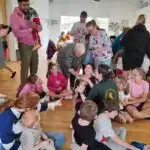
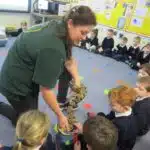
- School AAT Workshops: Curriculum-linked animal sessions for KS1–KS4. We support science, PSHE, and social skills objectives.
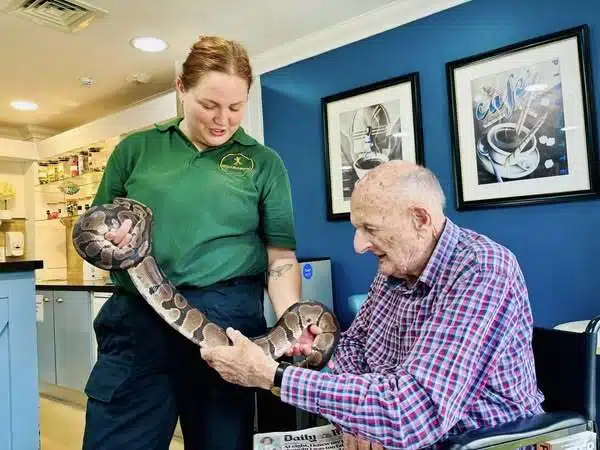
- Care Home Animal Visits: Gentle, resident-centred sessions for senior individuals, including those with dementia or mobility challenges.
- Corporate Mental Health Sessions: Well-being days, stress awareness sessions, and team-building events using certified therapy animals.
- Private AAT Sessions: One-to-one or small group sessions for children and adults with anxiety, autism, or trauma backgrounds.
- Hospital and Clinic Visits: Complementary therapeutic animal interaction for rehabilitation, palliative care, and mental health clinics.
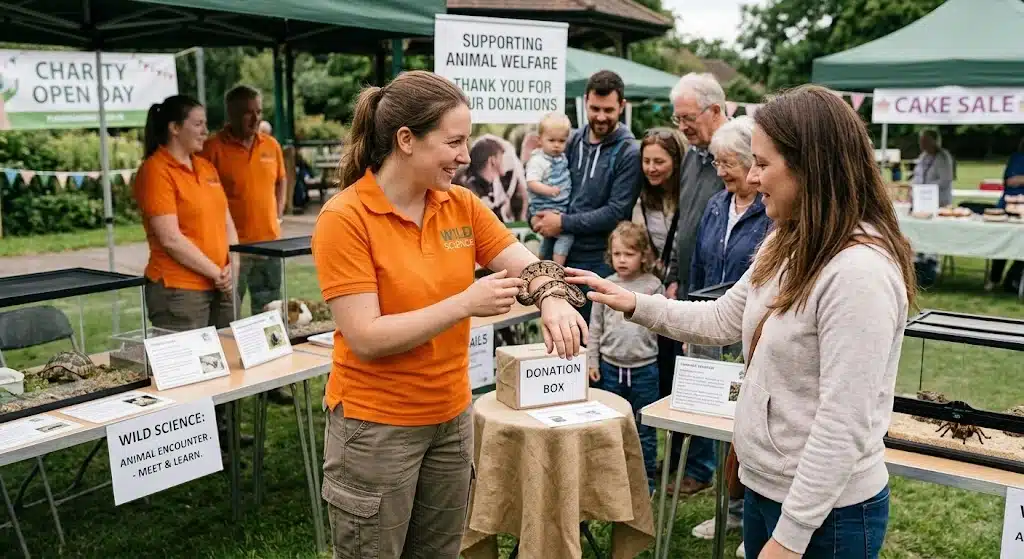
- Community and Charity Events: Open access AAT experiences at fairs, community centres, and public health events.
Whether you're a school SENCO (Special Educational Needs Coordinator), care home manager, therapist, or HR professional, Wild Science can design a bespoke AAT programme for your organisation. Please contact us to book a session and bring the positive impact of animal-assisted interventions to your organisation or loved ones.
Where Does Wild Science Offer AAT in the UK?
We are a truly nationwide animal therapy provider. Our trained handlers travel across England, Scotland, Wales, and Northern Ireland to deliver AAT sessions at your venue. We currently serve:
| 📍 London and Greater London | 📍 Manchester and Greater Manchester |
| 📍 Birmingham and the West Midlands | 📍 Edinburgh and the Scottish Lowlands |
| 📍 Glasgow and West Scotland | 📍 Bristol and the South West |
| 📍 Leeds and West Yorkshire | 📍 Sheffield and South Yorkshire |
| 📍 Newcastle and the North East | 📍 Cardiff and South Wales |
| 📍 Liverpool and Merseyside | 📍 Nottingham and the East Midlands |
| 📍 Cambridge and East Anglia | 📍 Oxford and the South East |
| 📍 Brighton and the Home Counties | 📍 Beckenham and Kent (Head Office) |
Not sure if we cover your area? Please Contact us and we will confirm availability. Additionally, we regularly travel beyond our listed locations for larger bookings and long-term programmes.
Our Commitment to Safety, Animal Welfare, and Professional Standards
Wild Science operates to the highest standards of animal welfare, handler training, and client safety. Every session we deliver is underpinned by:
- DBS-Checked Handlers: All Wild Science animal handlers hold enhanced DBS checks. Therefore, we are suitable for schools, care homes, and clinical settings.
- Animal Welfare Act 2006 Compliance: All our animals are cared for in accordance with the UK Animal Welfare Act 2006. Consequently, regular veterinary checks, species-appropriate housing, and handler training are non-negotiable.
- Public Liability Insurance: Wild Science carries comprehensive public liability insurance for all events and sessions.
- Safeguarding Policy: We follow a robust safeguarding policy for all settings involving children or vulnerable adults.
- Risk Assessments: Written risk assessments are provided for every booking. Additionally, sessions are adapted to the physical environment and the specific needs of participants.
- Animal Welfare First: We monitor every animal's stress signals throughout sessions. Animals are never forced to interact and are rotated to ensure their welfare at all times.
Why Choose Wild Science for Animal Assisted Therapy?
Wild Science has been delivering animal experiences and educational workshops across the UK for over 12 years. We are trusted by schools, NHS-affiliated settings, and corporate businesses. Additionally, thousands of families have experienced the transformative power of human-animal interaction.
- Award-winning customer service - rated 5 stars by hundreds of verified clients
- Nationwide reach - we come to you, anywhere in the UK
- Diverse animal portfolio - mammals, reptiles, invertebrates, and amphibians
- Experienced, passionate handlers are provided for every session. These professionals are trained in animal behaviour, welfare, and therapeutic interaction.
- Fully insured, DBS-checked, and risk-assessed for every booking
- Trusted by schools, care homes, NHS teams, and corporate companies
Contact Wild Science today. We will design a bespoke AAT programme for your school, care home, clinic, or business - anywhere in the UK.