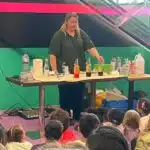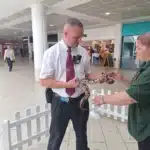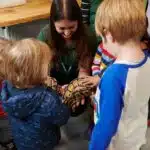




Biology is one of the most exciting subjects children can learn, but in many classrooms, it is often reduced to textbooks, diagrams, and memorisation. For young learners, nothing promotes curiosity more than hands-on experiences with real-life animals.
When children get the chance to see, touch, and interact with living creatures, biology transforms from abstract concepts into engaging discoveries. Children have the chance to interact with all the animals present, making the experience comprehensive and hands-on.
Did you know that Animal encounters are not just fun; they are powerful tools for teaching biology. From understanding life cycles and food chains to appreciating biodiversity and ecosystems, these experiences bring science to life in ways no textbook can.
Wild Science has been at the forefront of this approach, offering animal encounter workshops and parties that blend education with entertainment.
Let’s explore how an unforgettable encounter with animals can make biology a unique experience that is engaging, memorable, and deeply impactful for children across the UK.
Why Hands-On Learning Matters in Biology
Moving Beyond Textbooks
Children are naturally curious. They want to explore, touch, and ask questions. Research shows that hands-on learning increases knowledge retention by up to 75% compared to passive learning. In biology, where living systems are at the core, real experiences matter more than ever.
Building Emotional Connections
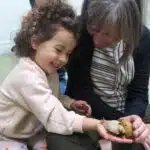
When a child gently holds a rabbit, observes the slow crawl of a snail, or watches a lizard flick its tongue, they create an emotional bond with the subject. This connection builds empathy for animals, which leads to a deeper understanding of ecosystems and conservation.
Encouraging Active Participation
During animal encounters, children are not just passive listeners. They ask questions, share observations, and sometimes even overcome fears. This active participation keeps their brains engaged and makes learning biology exciting.
Types of Animal Encounters
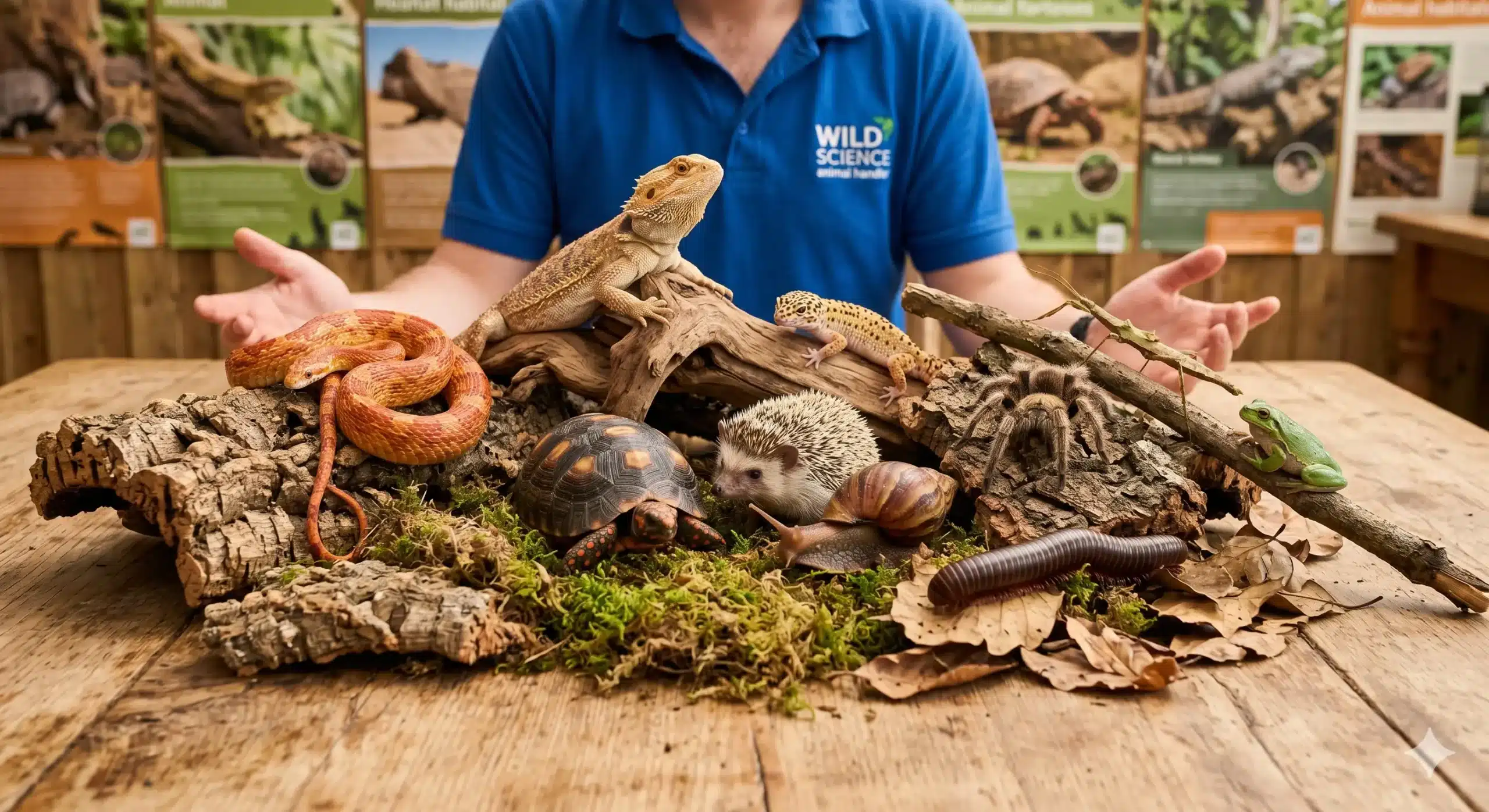
Animal Encounters offers a diverse range of experiences tailored to suit every interest and age group. Whether you’re seeking a hands-on encounter, a guided tour, or a lively birthday party, each event is crafted to be both fun and educational. Guests have the unique opportunity to meet and learn about different species, from gentle guinea pigs and fascinating reptiles to intriguing insects.
All animals are cared for by knowledgeable keepers who are passionate about sharing interesting facts and ensuring the well-being of every animal. These encounters are suitable for children’s parties, family gatherings, and even adult events, making them a perfect choice for anyone eager to enjoy a close encounter with the animal world.
No matter your age or experience level, our Animal Encounters provide a safe, engaging, and memorable way to connect with animals and learn about their unique personalities and habitats.
Key Biology Concepts Children Learn Through Animal Encounters
1. Animal Classification
One of the first steps in biology is learning how animals are grouped. By interacting with mammals, reptiles, amphibians, insects, and birds, children see firsthand the differences in body structure, skin covering, and behaviour.
- A rabbit shows traits of mammals such as fur and warm-bloodedness.
- A gecko introduces reptiles with scales and cold-blooded traits.
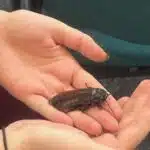
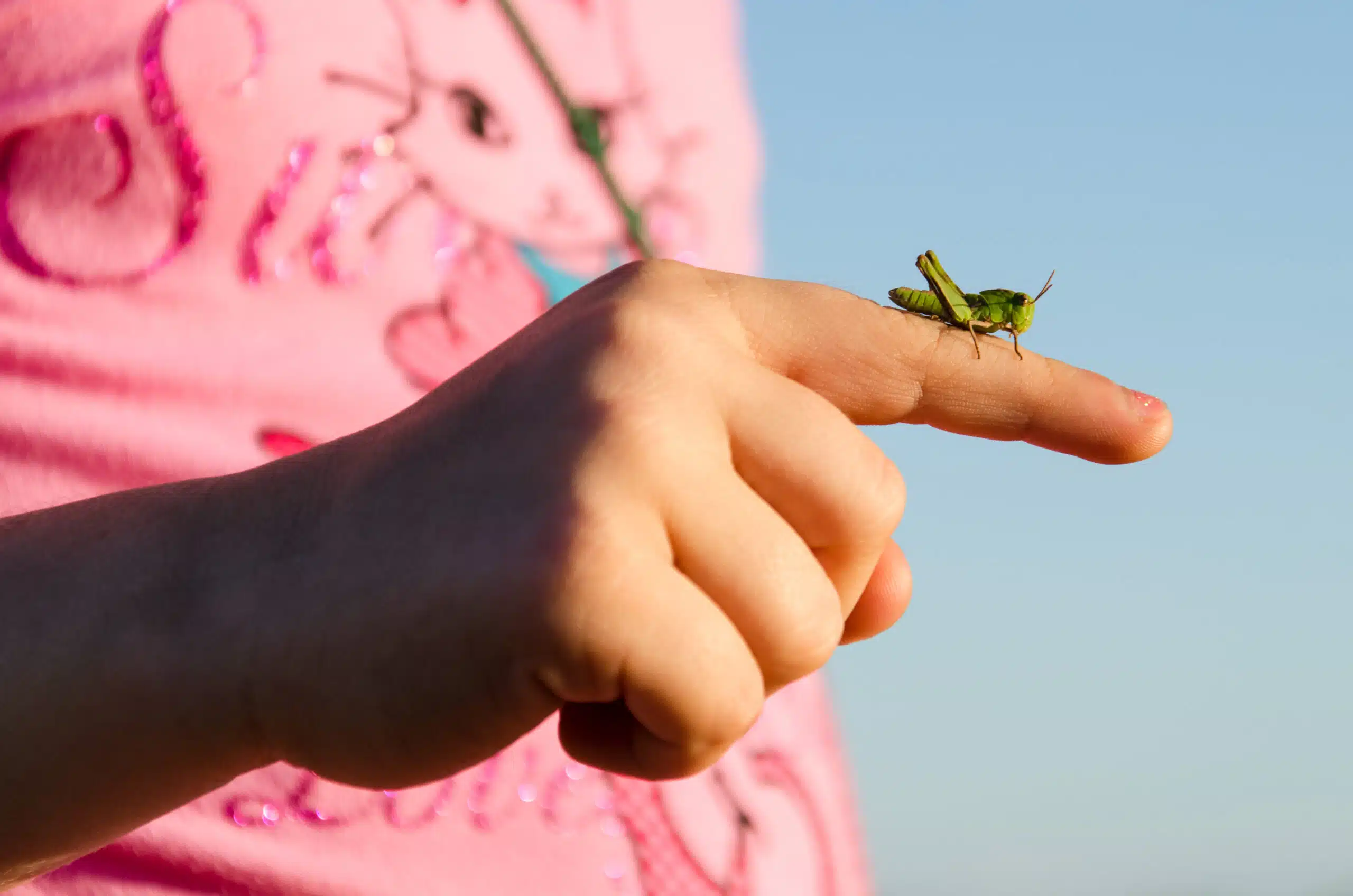
- Stick insects demonstrate insect anatomy with six legs and an exoskeleton.
This direct exposure helps children grasp classification naturally.
2. Adaptations and Survival
Every animal has unique adaptations to survive in its environment. Animal encounters give children the chance to see adaptations in action. For example:
- Did you know that Hedgehogs curl up into a ball for protection.
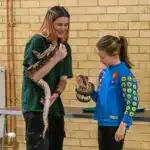
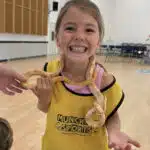
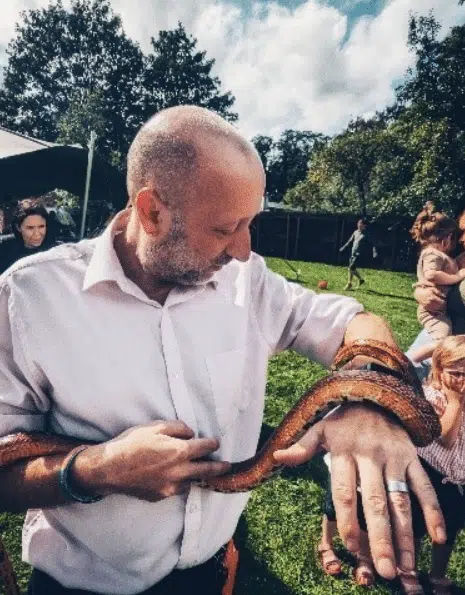
- Did you know that Snakes use camouflage and flick their tongues to sense surroundings.
- Did you know that Frogs demonstrate how amphibians live in both water and land.
These lessons teach children the importance of diversity and survival strategies in the natural world.
3. Food Chains and Ecosystems
When children meet herbivores, carnivores, and omnivores, they begin to understand food chains. By seeing how each animal fits into its ecosystem, they learn the delicate balance of nature. This provides a foundation for later biology lessons on energy flow and ecological systems.
4. Life Cycles
From observing the metamorphosis of insects to learning about mammal reproduction, animal encounters offer a hands-on way to study life cycles. Instead of reading about caterpillars turning into butterflies, children might see it happen in a live demonstration.
5. Conservation and Biodiversity
Exposure to exotic and native species also highlights the importance of conservation. Children learn why protecting habitats and respecting wildlife is crucial. These early lessons encourage responsible behaviour toward the environment.
Benefits of Teaching Biology Through Animal Encounters
1. Increases Engagement
Children are far more attentive when real animals are in front of them compared to when they look at pictures in a book.
2. Improves Retention
Experiences leave stronger memories. Many parents report that children remember facts from animal encounter sessions years later, which shows the long-term educational value.
3. Supports Different Learning Styles
Some children are visual learners, others are auditory, and many are kinesthetic. Animal encounters combine all these methods—seeing, hearing, and touching—to reinforce biological concepts.
4. Boosts Confidence
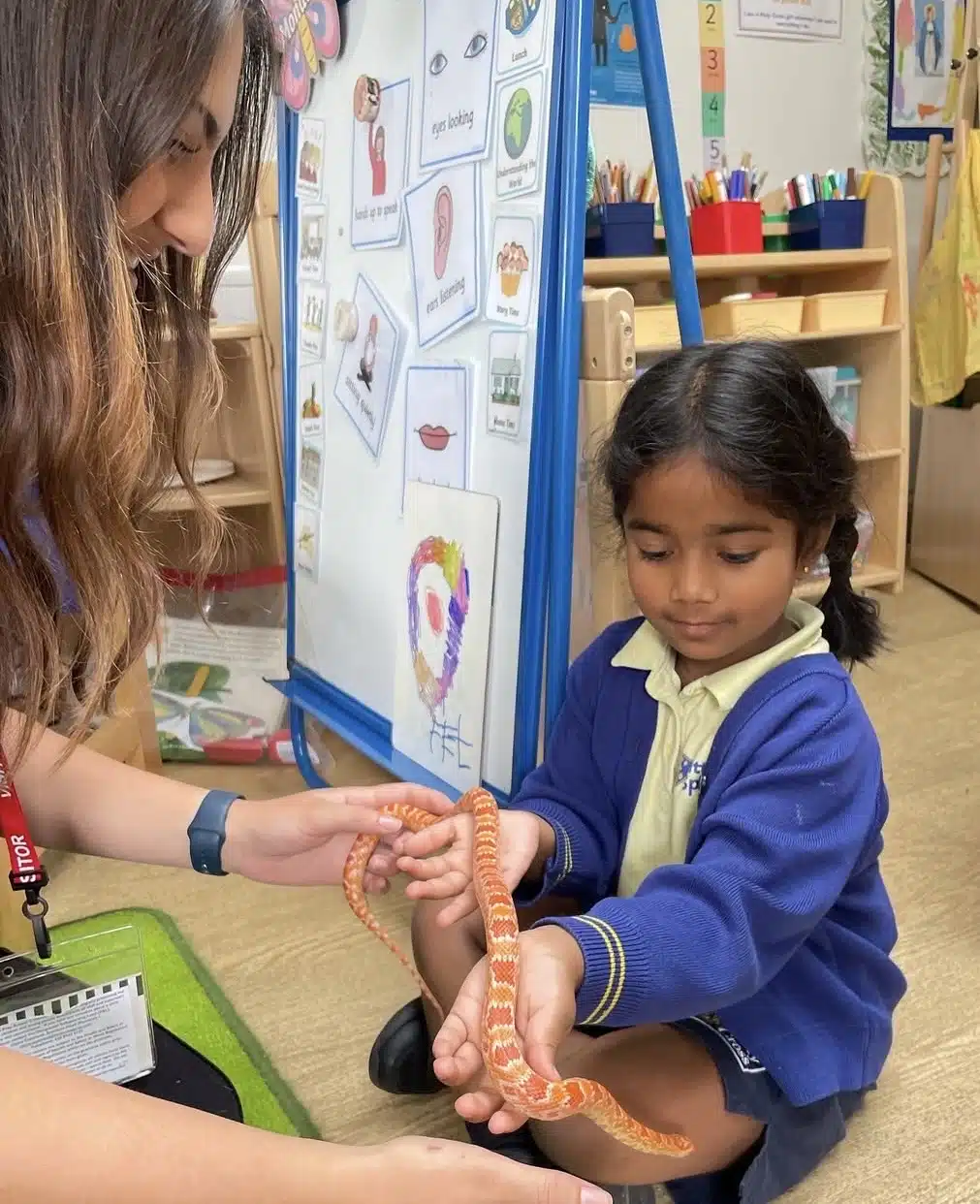
For some children, facing a fear of snakes, insects, or reptiles can be transformative. Once they overcome their hesitation, they gain confidence not just in biology but in their ability to tackle challenges.
What Do Parents and Teachers Say?
“We have used Wild Science for 3 years at our school. Each year they deliver wonderful sessions to Nursery and Reception children. We have never had any issues and would recommend them to everyone.” – Leah Lorentson
“It was a wonderful day had by all, the adults and children really had a great time every animal was explained in great detail and we will be booking them for further events” – Parent, Edinburgh
Click here to read more reviews about Wild Science
How Wild Science Makes Biology Fun and Educational
Wild Science has designed its workshops and events to blend curriculum-linked learning with interactive fun. Here’s how:
Curriculum-Aligned Topics
Sessions cover topics like classification, adaptations, life cycles, and habitats, directly supporting what children learn in school.
Professional Presenters
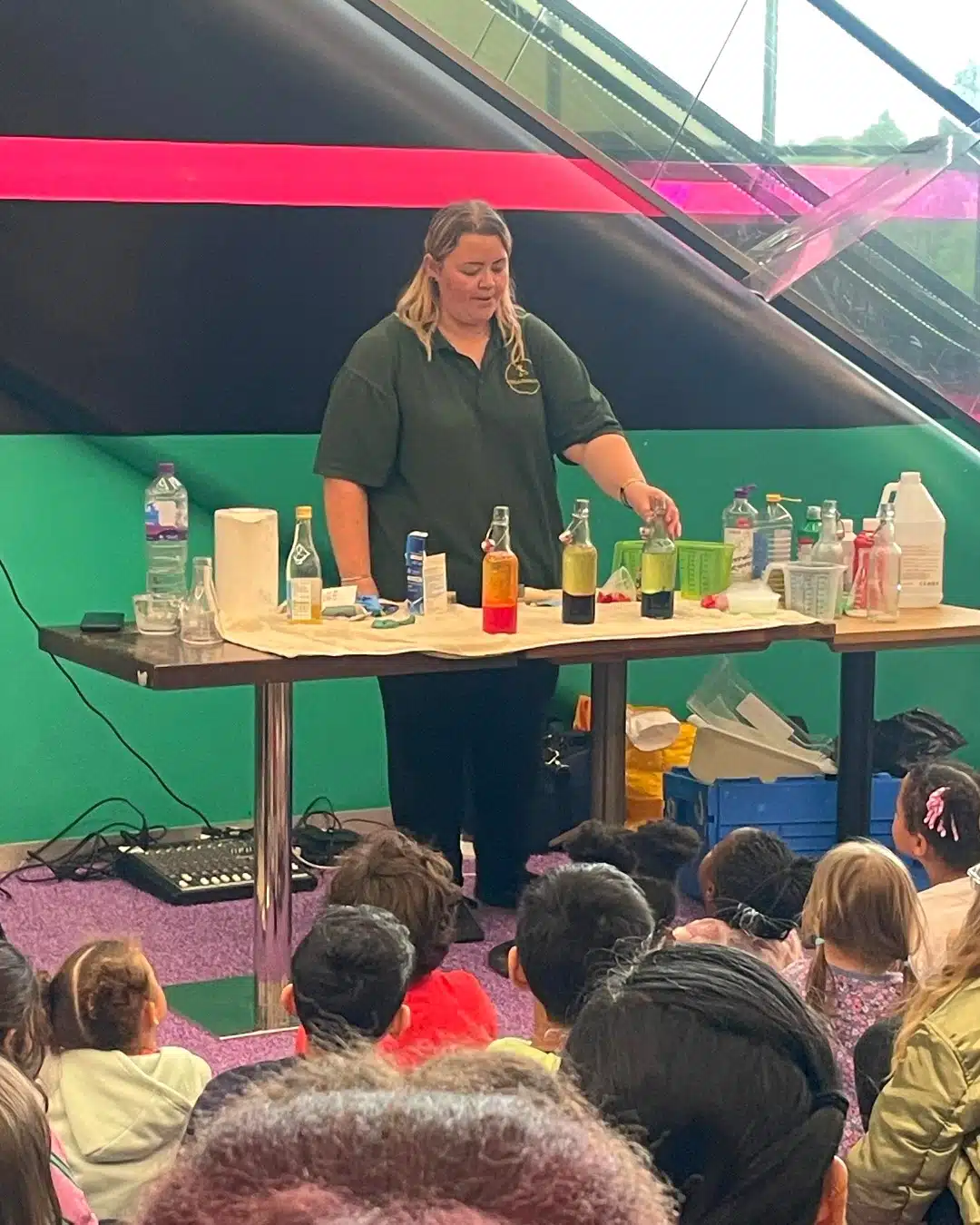
Every event is guided by trained animal experts and scientists who know how to engage children of all ages with our unforgettable animal encounters.
Safe and Ethical Practices
Animals are handled with care, ensuring both the children and animals remain safe. Wild Science follows welfare guidelines for all encounters.
Flexibility for Schools and Parties
Whether it’s a school workshop, a science week event, or a birthday party, the format can be tailored to suit the audience and learning goals.
Practical Applications for Schools
Teachers can integrate animal encounters into the curriculum in many ways:
- Science Weeks: Reinforce biology topics with interactive demonstrations.
- Early Years: Encourage curiosity and confidence with gentle animals.
- KS2 and KS3 Biology: Deepen understanding of classification, habitats, and ecosystems.
- Cross-Disciplinary Learning: Link encounters to geography, literacy, and even art by asking students to draw or write about their experiences.
Schools are encouraged to arrange a visit for an immersive animal encounter experience, allowing students to meet animals up close and learn about their characteristics and environment.
For more information or to book a session, teachers and organisers can contact Wild Science.
The Long-Term Impact on Children
Children who experience biology through animal encounters often carry their interest into higher education and even careers. Many biologists, veterinarians, and environmental scientists trace their passion back to early encounters with animals. These moments often inspire a sense of wonder and curiosity about the natural world, leaving a lasting impression that shapes future interests.
By making biology tangible and fun, these experiences not only improve academic performance but also inspire lifelong curiosity about the natural world.
The UK Perspective: Where It Works Best
Wild Science works across England, Scotland, Wales, and Northern Ireland, delivering interactive animal workshops in schools, libraries, museums, and community events.
- In London and Birmingham, urban schools benefit from exposure to animals that children rarely see in cities.
- In rural areas of Scotland and North Wales, workshops support outdoor education with structured science learning.
- In Northern Ireland, community centres use animal encounters to inspire young learners outside the classroom.
This geographic flexibility makes Wild Science unique compared to competitors, who often focus only on zoos or static exhibitions.
Why Choose Wild Science Over Alternatives?
Other providers may offer petting zoos or science talks, but Wild Science blends education with entertainment:
- Qualified Experts: Our presenters hold degrees in veterinary science, zoology, and biology.
- Curriculum Alignment: Each session is designed to meet UK science standards.
- Safety First: All animals are carefully handled under expert supervision.
- Nationwide Reach: Unlike smaller local providers, we deliver consistent quality across the UK.
This means schools don’t just get an “animal show”—they get a tailored biology lesson with measurable educational impact.
Research Supporting Animal-Based Learning
Several studies support the educational value of animal encounters:
- Children’s memory retention improves by up to 65% when learning through interactive experiences. National Center for Biotechnology Information
- Animal-assisted learning increases empathy and pro-environmental attitudes. Frontiers in Psychology
- Outdoor and hands-on learning boosts science achievement levels in primary school children. Education Endowment Foundation
- Engagement with live animals improves both academic performance and emotional well-being. British Psychological Society
- Curriculum-linked enrichment activities strengthen children’s long-term scientific curiosity. Royal Society of Biology
Alternative Approaches – Why Animal Encounters Work Best
While textbooks, videos, and digital simulations play an important role, they lack the sensory and emotional engagement of real-life encounters.
- Textbooks: Good for structure, but abstract for younger learners.
- Videos: Provide visuals but no tactile interaction.
- Virtual Reality (VR): Exciting but often costly and inaccessible for schools.
Animal encounters offer the perfect middle ground—interactive, affordable, and deeply memorable.
Bringing Biology to Life
Animal Encounters offers an unforgettable experience for children and adults alike, bringing you up close with a fascinating array of animal friends. Whether you’re looking to celebrate a birthday, plan a special event, or simply spend time learning about the wonderful world of animals, our Animal Encounters provides a fun and educational adventure for all ages.
Furry Creatures
From furry creatures like guinea pigs to the mysterious world of creepy crawlies and the impressive presence of giant tortoises, every encounter is designed to foster a deeper understanding of each animal’s natural habitat and playful nature. With a strong focus on health and safety briefing, every event ensures that guests can enjoy personal, hands-on experiences with animals in a safe and supportive environment. Perfect for birthday parties, guided tours, or just a day of discovery, Animal Encounters promises a memorable journey into the animal kingdom.
Teaching biology to children through animal encounters is more than just entertainment—it’s education in its most powerful form. When children engage with real animals, they gain knowledge, empathy, and a deeper connection to nature. These experiences support the curriculum, spark lifelong interests, and build the foundation for a more environmentally conscious generation.
Wild Science continues to lead in making these encounters accessible for schools, parents, and communities. If you want children to truly understand and enjoy biology, animal encounters are the way forward.
Book your Wild Science event today and inspire the next generation of young scientists.