



Quick and Easy Science Experiments for Kids
Are you looking for exciting STEM activities (Science, Technology, Engineering, and Mathematics) for children? Research published in the Journal of Science Education shows that hands-on science experiments improve learning retention by up to 65% compared to traditional classroom methods.
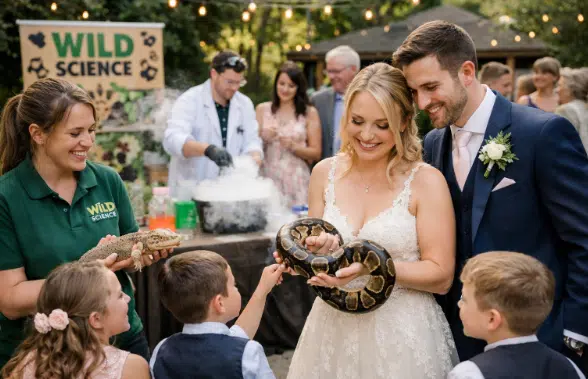
At Wild Science Ltd, we specialise in organising engaging science experiments that are both fun and educational, having delivered over 1100 events this year across 83 UK counties.
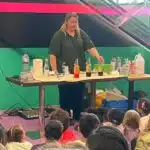
Our science workshops are perfect for children's parties, schools, and other events. And these workshops help children explore the wonders of science through hands-on experiments that align with Early Years Foundation Stage (EYFS) and Key Stage curriculum requirements.
Click here to book the Science Experiments Workshop
The Importance of Science Experiments for Children
Science experiments are not just fun activities but are crucial in developing critical thinking, problem-solving skills, and a love for learning. The UK Department for Education's science curriculum emphasises the importance of practical experimentation in the development of scientific understanding.
Children can understand complex scientific concepts simply and enjoyably by engaging in hands-on experiments, which research shows enhances cognitive development and academic performance.
Evidence-Based Benefits of Science Experiments:
Encourages Curiosity: Children are naturally curious, and science experimentation can help Channel that curiosity into meaningful learning experiences. Studies show that curiosity-driven learning leads to 30% better information retention.
Promotes Critical Thinking: Through experimentation, children learn to ask questions, make predictions, and analyse results. The National Curriculum for England emphasises this as a key learning objective.
Enhances Learning: Practical experiments complement theoretical knowledge, making learning more comprehensive and engaging. Research indicates that hands-on learning improves understanding by up to 75%.
Boosts Confidence: Successfully conducting experiments can boost a child's confidence and foster a sense of achievement, which is essential for long-term educational success.
Click here to book the Science Experiments Workshops across the UK
What are the Most Popular Science Experiments for Children?
Here, we'll share some favourite science experiments you can try using simple ingredients and materials at home or in the classroom. These top experiments are designed to meet UK educational standards.
The Magic of Baking Soda and Vinegar: Chemical Reactions Made Simple
One of the most classic science experiments for children involves baking soda and vinegar. A fizzy reaction is created when baking soda is mixed with vinegar. This experiment determines a chemical reaction that creates carbon dioxide gas which teaches children about acids, bases, and gas production.
Materials Needed:
- Baking soda
- Vinegar
- A plastic bottle
- A balloon
Steps:
- Fill the bottle with vinegar
- Place a few spoonful's of baking soda inside the balloon
- Gently secure the balloon to the bottle's opening, allowing the baking soda to drop into the vinegar.
- Observe the balloon inflate as gas is produced
Educational Value: This experiment teaches children about chemical reactions, gas production, and the scientific method whilst being completely safe and engaging.
Exploring the Science of Soap Films: Surface Tension in Action
This is one of our most popular science experiments at Wild Science workshops. This fun experiment teaches children about surface tension and the properties of soap films, concepts that are part of the Key Stage 2 science curriculum.
Materials Needed:
- 6 cups of water
- 1 cup washing-up liquid or dish soap
- 1/4 cup golden syrup or glycerin
- A large bowl or container
- Bubble wands or a homemade bubble wand (string and two sticks)
Steps:
- Mix water, washing-up liquid, and golden syrup or glycerin in a large bowl
- Let the mixture sit for at least an hour
- Create a bubble wand using a string tied in a loop between two sticks
- Dip the wand into the solution, fully submerging the string
- Lift the wand and pull it through the air to create giant bubbles
Educational Value: This experiment introduces children to surface tension, molecular bonding, and the properties of liquids, all whilst creating spectacular visual effects.
Did you know that a cloud in a jar can be created using water vapor and smoke particles?
Exploring Surface Tension with Milk and Food Colouring: Colourful Chemistry
This colourful experiment teaches children about surface tension and the scientific method. It's simple to set up and provides immediate, fascinating results that captivate children's attention.
Materials Needed:
- Whole milk
- Food colouring
- Washing-up liquid
- A shallow dish
Steps:
- Cover the bottom of the dish with milk
- Add different drops of food colouring to the milk
- Dip a cotton bud in washing-up liquid and gently touch the surface
- Observe the colours' rotation and mixing in fascinating patterns
Educational Value: This experiment demonstrates surface tension, molecular interactions, and the scientific method, making it perfect for classroom or home learning.
Click here to book the Customised Science Workshops across London
Creating a Rain Cloud in a Jar: Understanding the Water Cycle
This visual and interactive experiment helps children understand the water cycle, a key topic in the UK National Curriculum for Geography and Science.
Materials Needed:
- A glass jar
- Hot water
- Shaving foam
- Food colouring
Steps:
- Fill the jar with hot water
- Add a layer of shaving foam on top
- Add a few drops of food colouring to the shaving foam
- Watch as the colours seep through, mimicking rain falling from clouds
Educational Value: This experiment teaches children about precipitation, cloud formation, and the water cycle.
Did you know that non-Newtonian fluids act like solids under pressure and like liquids at rest?
Invisible Ink with Lemon Juice: Chemical Reactions and Secret Messages
Children love the mystery of invisible ink. And this experiment is perfect for sparking their curiosity about chemical reactions. You can make invisible ink with lemon juice that becomes visible when heated. This activity aligns with Key Stage 2 chemistry objectives.
Materials Needed:
- Lemon juice
- Cotton buds
- White paper
- A heat source (lamp or iron)
Steps:
- Write a message on the paper with a cotton bud dipped in lemon juice
- Allow the paper to dry completely
- Hold the paper near a heat source to reveal the hidden message
Educational Value: This experiment teaches children about acids, oxidation, and chemical reactions whilst creating an element of mystery and excitement.
The Power of Air Pressure with a Soda Bottle: Physics in Action
Demonstrate the concept of air pressure with this simple and fun experiment that introduces children to basic physics principles.
Materials Needed:
- A plastic fizzy drink bottle
- Warm water
- A balloon
Steps:
- Pour warm water into the fizzy drink bottle
- Cover the mouth of the bottle with a balloon
- Place the bottle in a bowl of ice-cold water
- Watch as the balloon is sucked into the bottle due to air pressure changes
Educational Value: This experiment teaches children about air pressure, temperature effects on gases, and the relationship between volume and pressure.
Did you know that when salt is added to ice, it melts and lowers its freezing point. This phenomenon is known as freezing point depression
Fun with Static Electricity and Balloons: Electrical Science Made Simple
This easy science experiment is a favourite amongst children. It demonstrates static electricity using simple materials found in every home.
Materials Needed:
- Balloons
- A wool cloth
Steps:
- Inflate a balloon and tie it off
- Rub the balloon with the wool cloth to generate static electricity
- Hold the balloon close to your hair or small bits of paper, and observe how they are attracted to the balloon
Educational Value: This experiment introduces children to electrical charges, static electricity, and the concept of attraction and repulsion.
Exploring Sound Waves with a Tuning Fork: Acoustics for Children
This cool project uses a tuning fork and water to teach children about sound waves and vibrations. These concepts are part of the Key Stage 2 science curriculum.
Materials Needed:
- A tuning fork
- A glass of water
Steps:
- Strike the tuning fork on a hard surface
- Quickly dip the fork into the glass of water
- Observe how vibrations create ripples in the water
Educational Value: This experiment teaches children about sound waves, vibrations, and how energy is transferred through different media.
Did you know that milk can change colors with food coloring when dish soap is added?
How Can We Create a Solar Oven with a Pizza Box
This experiment teaches children about solar energy and the scientific method whilst introducing concepts of renewable energy and sustainability.
Materials Needed:
- A pizza box
- Aluminium foil
- Cling film
- Black construction paper
- Sticky tape
- A thermometer
Steps:
- Line the pizza box with aluminium foil on the inside
- Place black construction paper at the bottom of the box
- Tape cling film over the opening to create a window
- Use the solar oven to cook simple foods like s'mores, and use the thermometer to measure the temperature
Educational Value: This experiment introduces children to solar energy, heat transfer, and sustainable energy concepts. These science experiments are simple yet very fascinating, and children of different ages can participate.
Did you know that you can grow an avocado tree from a pit suspended in water using toothpicks?
Why Choose Professional Science Workshops?
Whilst these experiments are exciting to try at home, we understand that organising comprehensive science education isn't always easy, especially for busy parents, teachers, or event organisers who want to ensure maximum educational impact. That's why Wild Science brings professional science workshops to you!
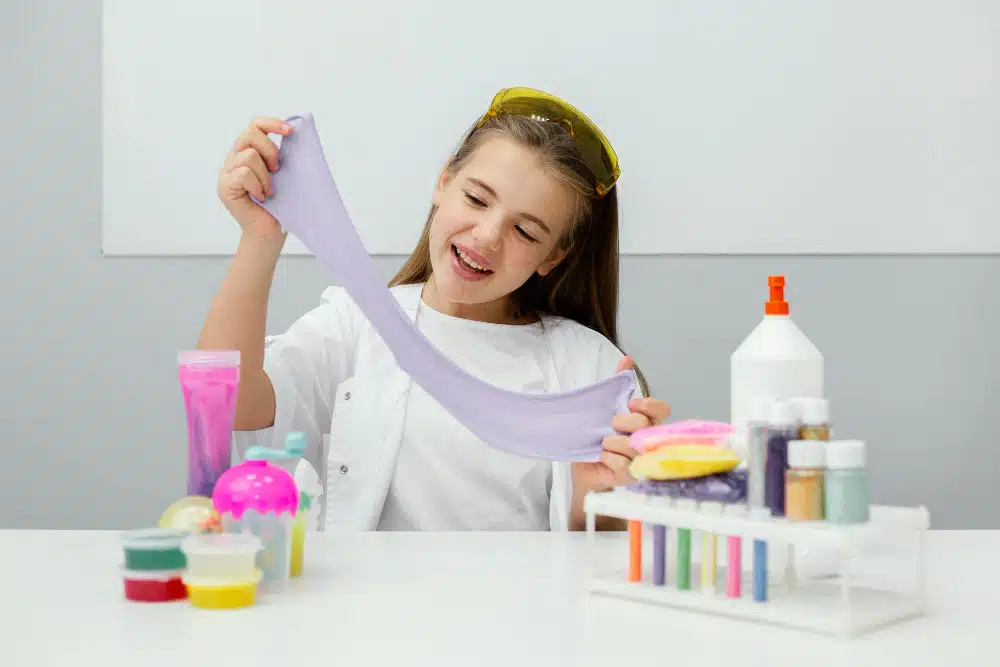
Our certified science educators offer 20+ specialised programmes, including 'Science of Slime,' 'Electricity and Forces,' and 'Chemical Reactions,' that are designed to meet UK curriculum requirements and deliver measurable learning outcomes.
Our workshops are perfect for:
- Schools and nurseries seeking curriculum-aligned science education
- Children's parties want memorable, educational entertainment
- Care homes are looking for engaging activities for residents
- Corporate events requiring team-building science activities
Wild Science: Your Trusted Partner in Science Education
These fun and easy science experiments are a great way to engage children across the United Kingdom with the wonders of science. At Wild Science, we are passionate about making learning fun and accessible for all ages, having served 83 counties across England, Scotland, and Wales.
Our team of more than 9 certified science educators includes specialists in chemistry, physics, and biology, all DBS-checked and trained in educational best practices. Whether planning a party, a school event, or a rainy-day activity, our professional workshops ensure that every child receives an exceptional educational experience.
What Sets Wild Science Apart:
- Curriculum Alignment: All workshops meet EYFS and Key Stage requirements
- Safety First: All experiments use non-toxic, child-safe materials
- Expert Educators: DBS-checked professionals with specialised training
- Comprehensive Coverage: Serving 83 counties across the UK
- Proven Track Record: 1600+ events delivered this year alone
Contact us today to book a top science experiments workshop and bring the magic of science to your child's next event! Our team of certified educators is ready to create unforgettable learning experiences that inspire curiosity and foster a lifelong love of science.