



More about Adaptations
Adaptations are different in every animal. Every animal has specific adaptations in order for their survival and well-being.
Animal adaptations are various physical and behavioural changes that help species survive and flourish in their individual environments. These changes can include modifications in body structure, colouration, and procreation, which all enhance an animal's capability to find food, elude predators, and reproduce successfully. Natural selection helps these adaptations become more prominent over generations, allowing species to suit their environments better.
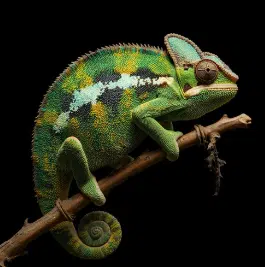
Adaptations in animals can vary, from a giraffe having a long neck to reach treetops, birds developing light bones to help them fly, and a chameleon's ability to change colour to conceal themselves from predators.
Plants and animals are adapted to their environments. A cactus survives well in the desert. Their roots are longer to help cover a broader area to collect water and a stem that can store water for an extended period.
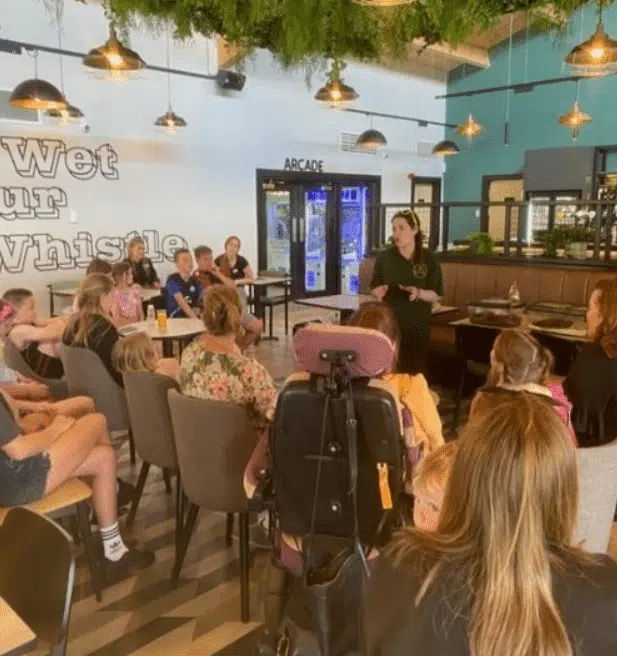
At Wild Science, we're really passionate about animals and their incredible adaptations. That passion shines through in our workshops, where we want participants to have a blast while really getting to know the unique characteristics that help animals not just survive—but thrive—in their environments.
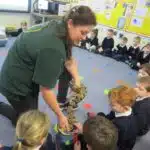
We use hands-on activities, demonstrations and stories to bring that world to life. We want to spark a love of learning in our students that will last a lifetime. And we do that by combining education with the excitement of discovery.
What are the ways in which animals adapt to their environment both physically and behaviorally? Now is the perfect time to book Amazing Animal Adaptations to discover the answer.
What is the Core focus?
- What are Adaptations?
- Do all animals have Adaptations?
- Different types of Adaptations
- Why adapt?
- What is the difference between structural, physiological, and behavioural adaptations?
👉 Click here for a free download of the Adaptations Workshop Activity Sheet
What animals will come?
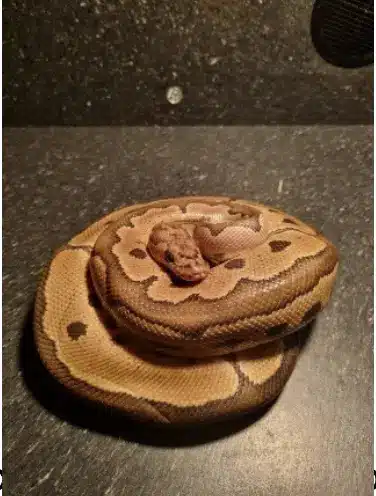
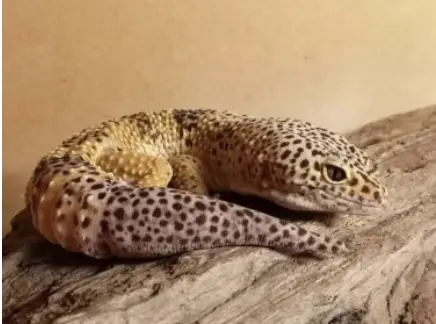
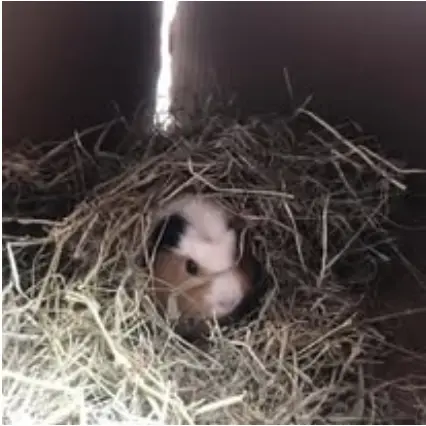
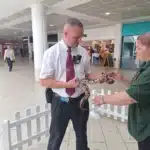
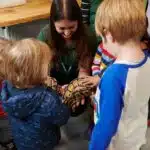
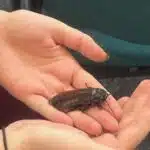
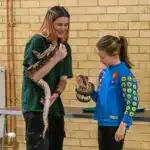
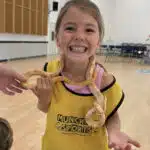
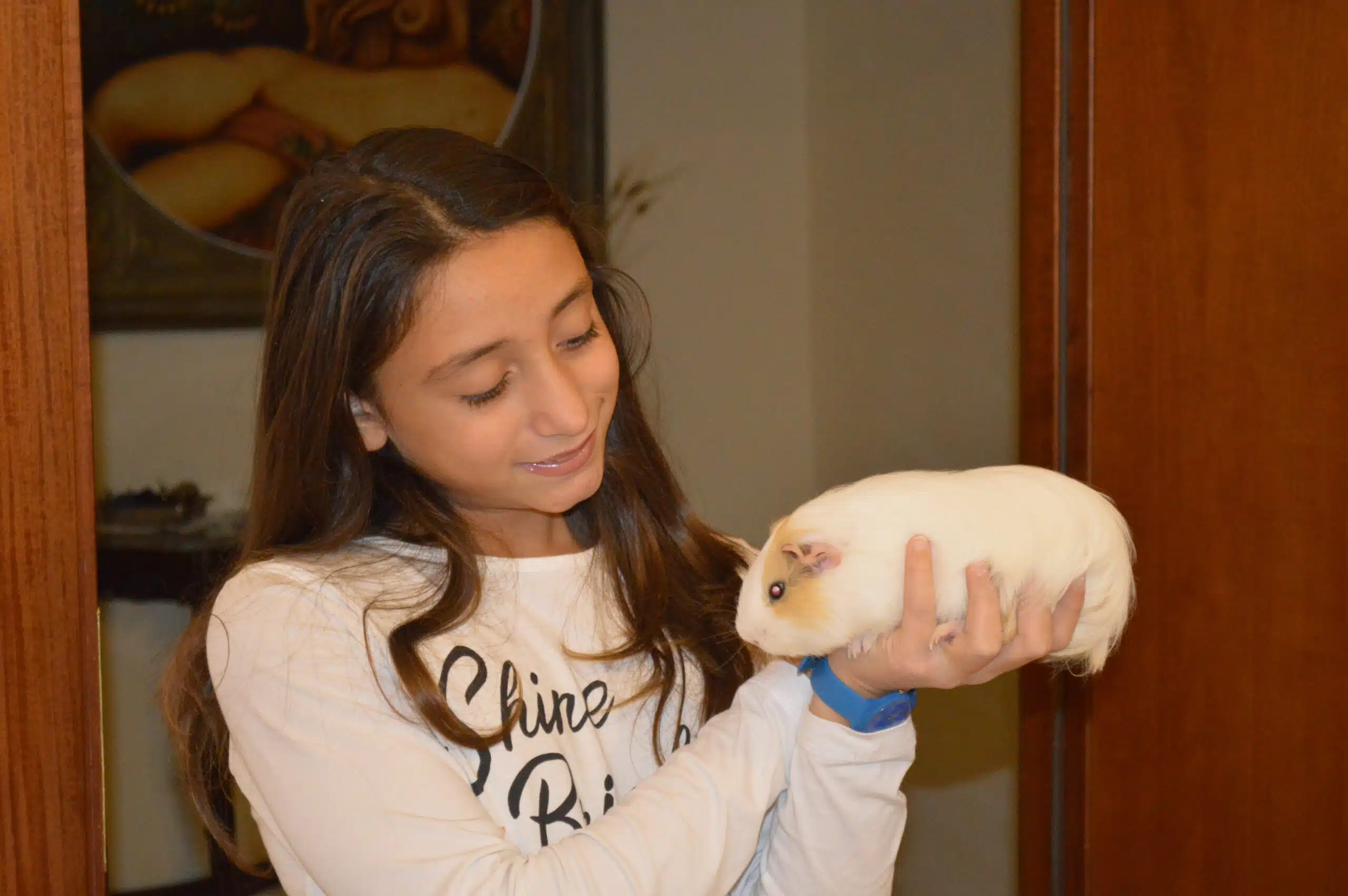
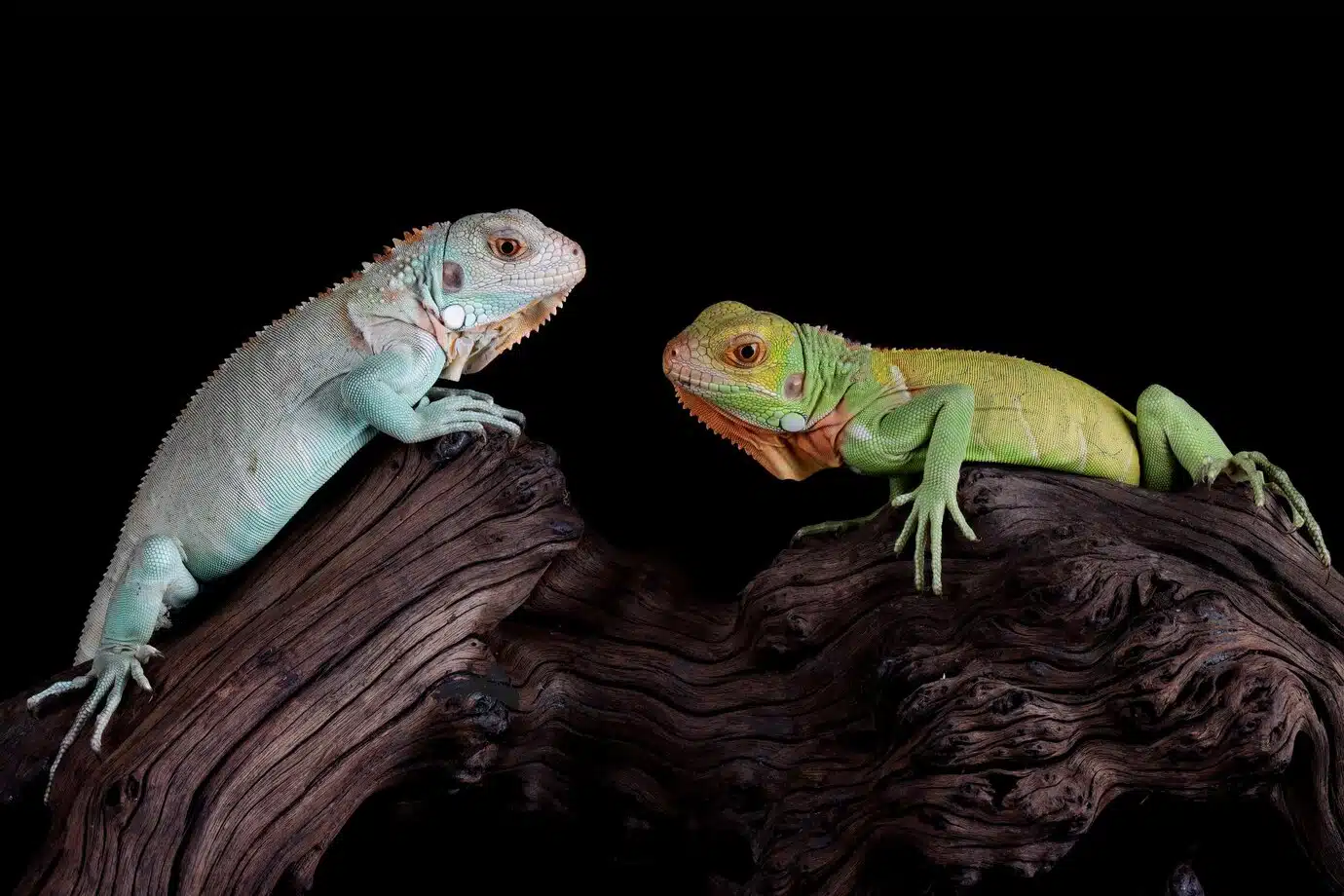
We'll be showcasing a range of animals—invertebrates, mammals, amphibians and reptiles. Moreover, we pick the ones that best demonstrate different adaptations so you can see how various species adapt to their surroundings. (We can't promise which animals will be there on any given day, though.)
The safety and welfare of the animals are our top priority. Our experts will decide which animals will be present.
Recommended Workshop Duration and Ages:
We're excited to offer our Adaptations Workshops, specially designed for school children! While we recommend that kids aged 6 and up join, younger children are certainly welcome to participate if they're curious.
To create the most engaging experience, we suggest a workshop length of 45 minutes to 1 hour. However, if you're eager for more, we're thrilled to extend the duration! We even offer full days filled with 6 x 1-hour sessions, perfect for students across all years.