



More about Nocturnal Animals
What is Nocturnal, Diurnal & Crepuscular?
Nocturnal animals are more active at night, Diurnal animals are more active during the day, and Crepuscular animals are most active at dusk and dawn.
Nocturnal animals sleep during the day, usually in a burrow or den. They are mostly present in hotter climates to escape the heat, although they can also evade predators.
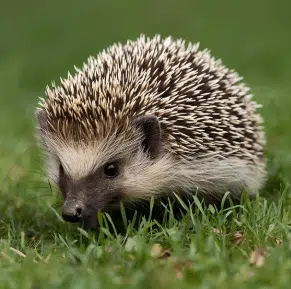
Nocturnal animals often equip themselves well to survive in the dark. Many have large eyes to make the most of the light available, while others rely on different senses, such as sound, smell, or touch.
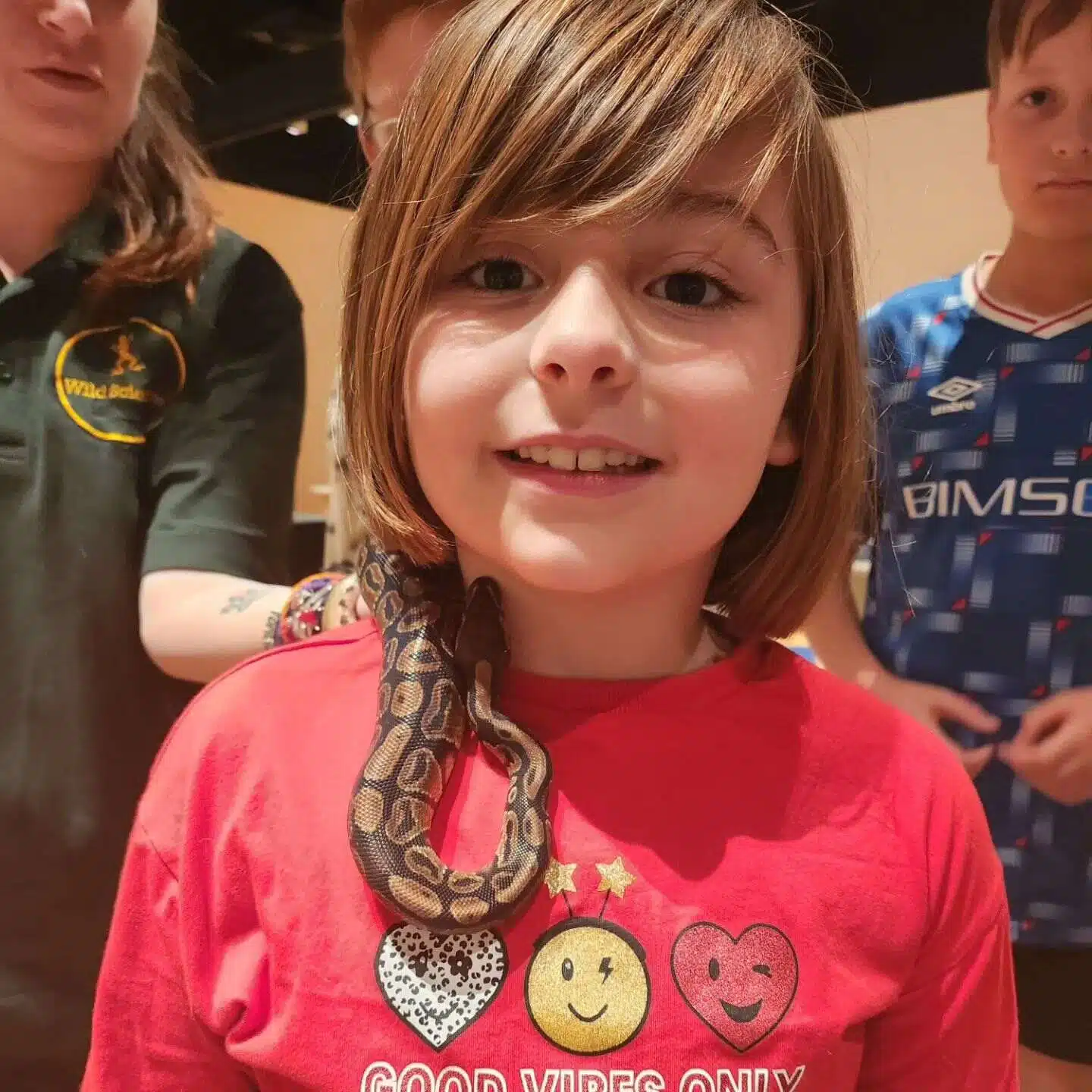
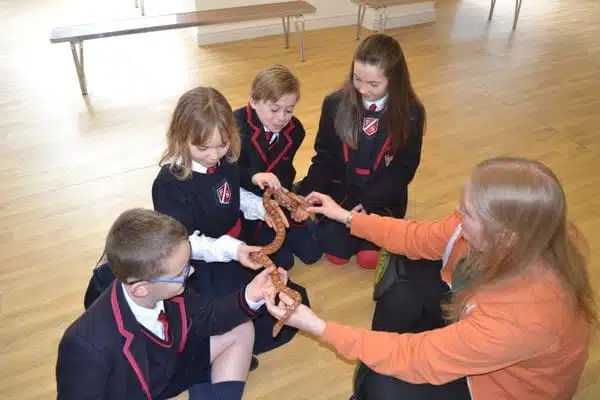
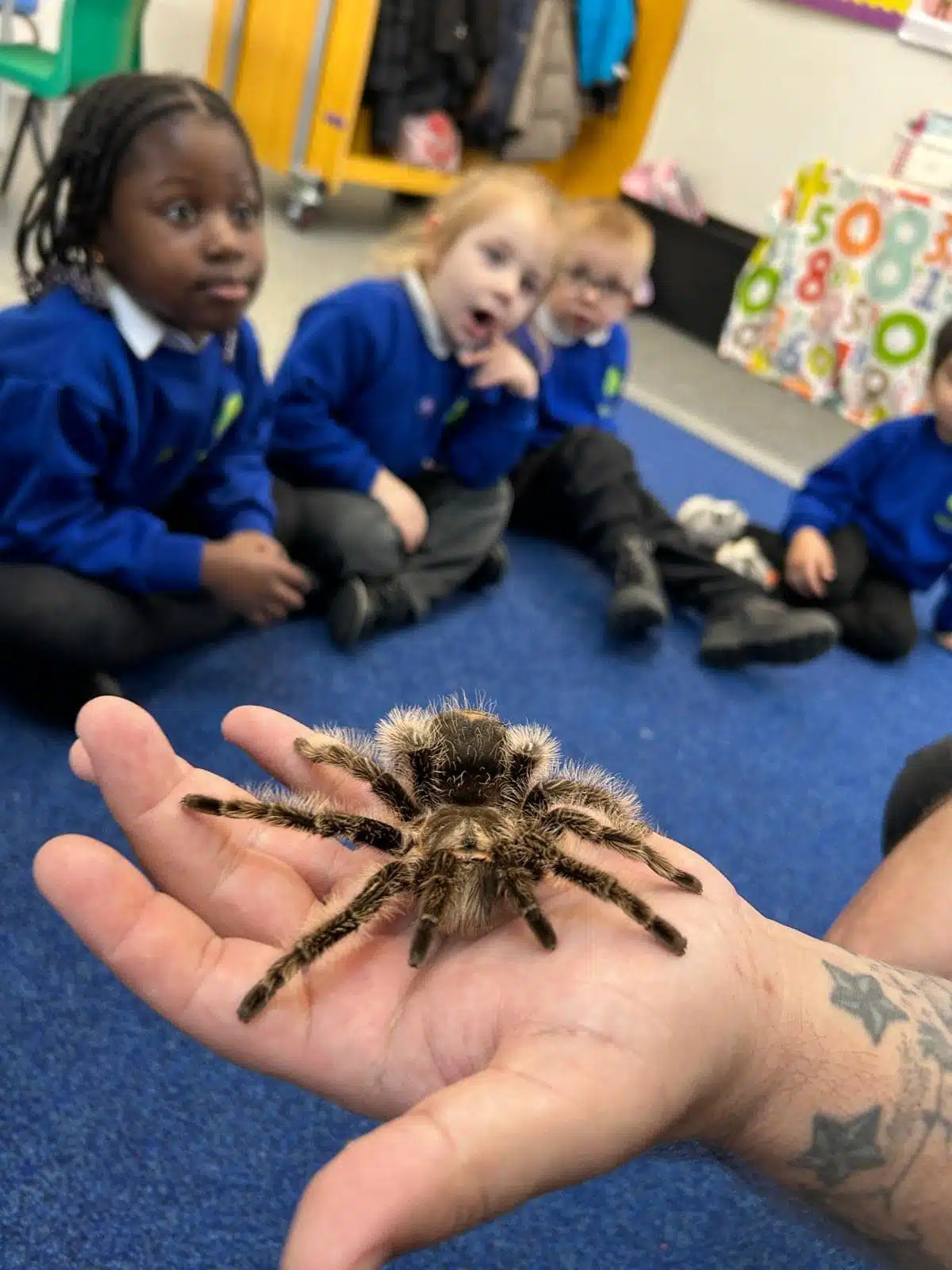
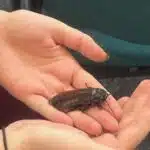
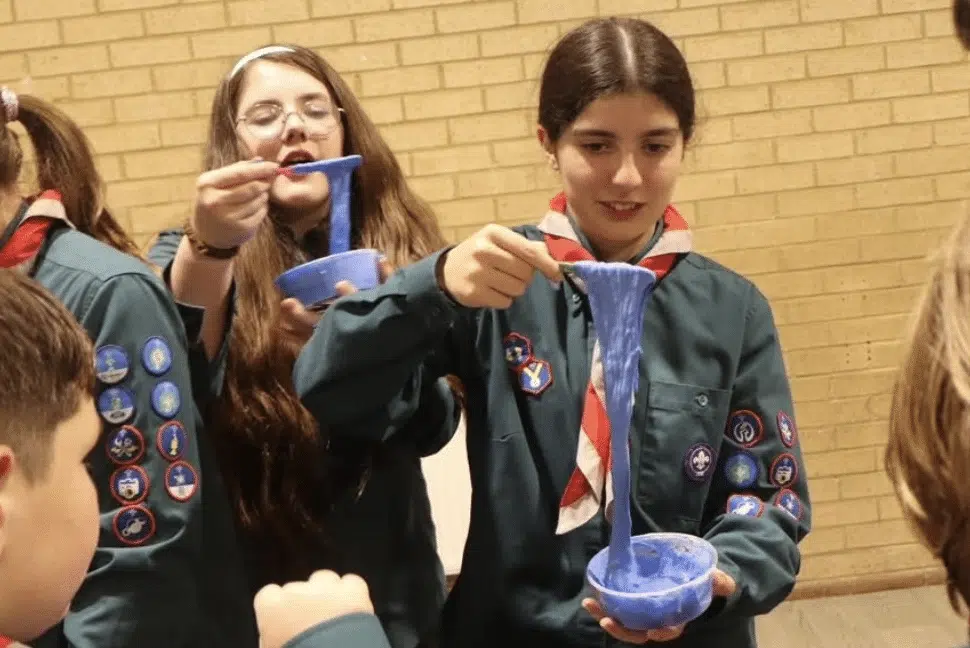
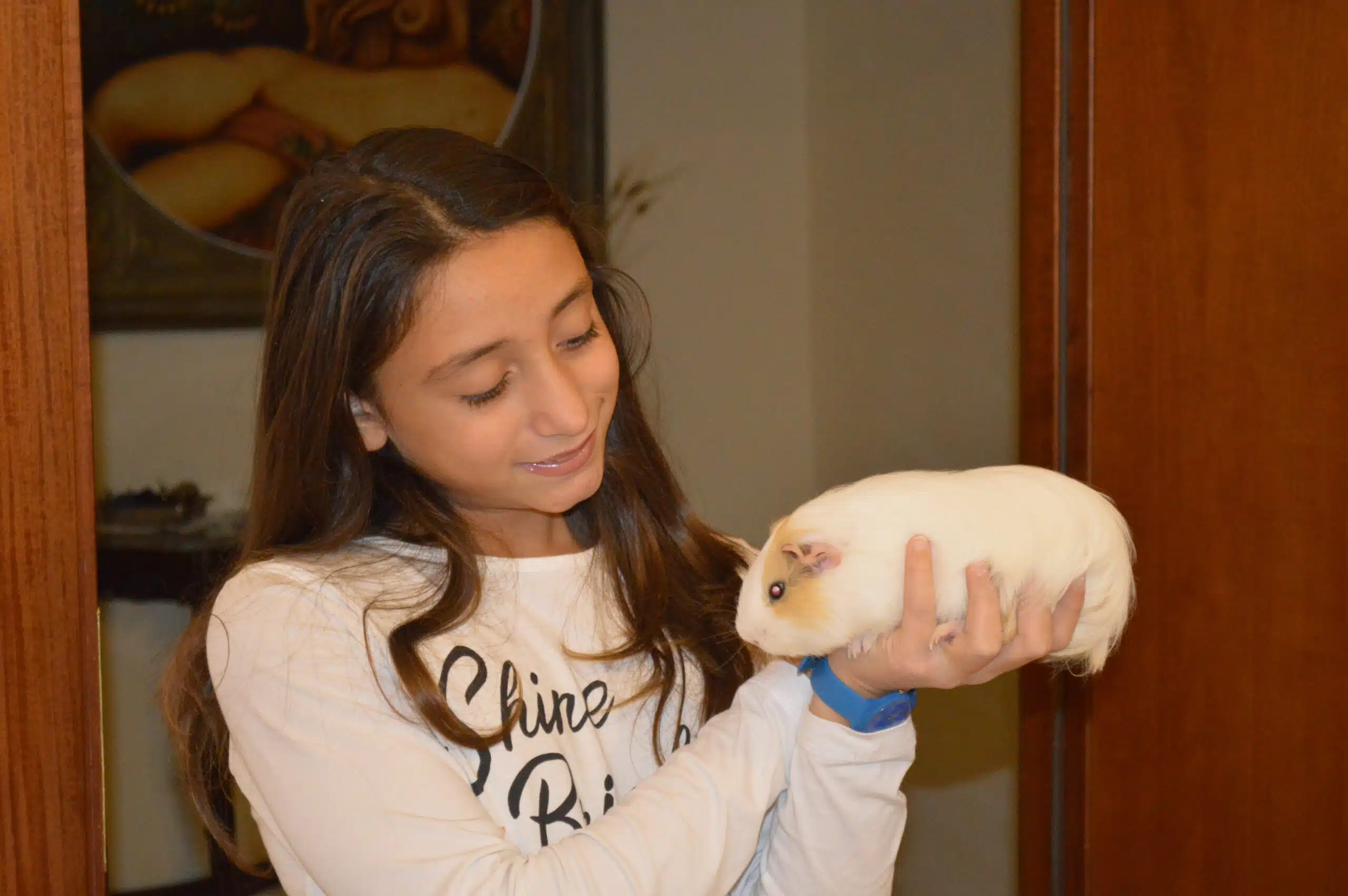
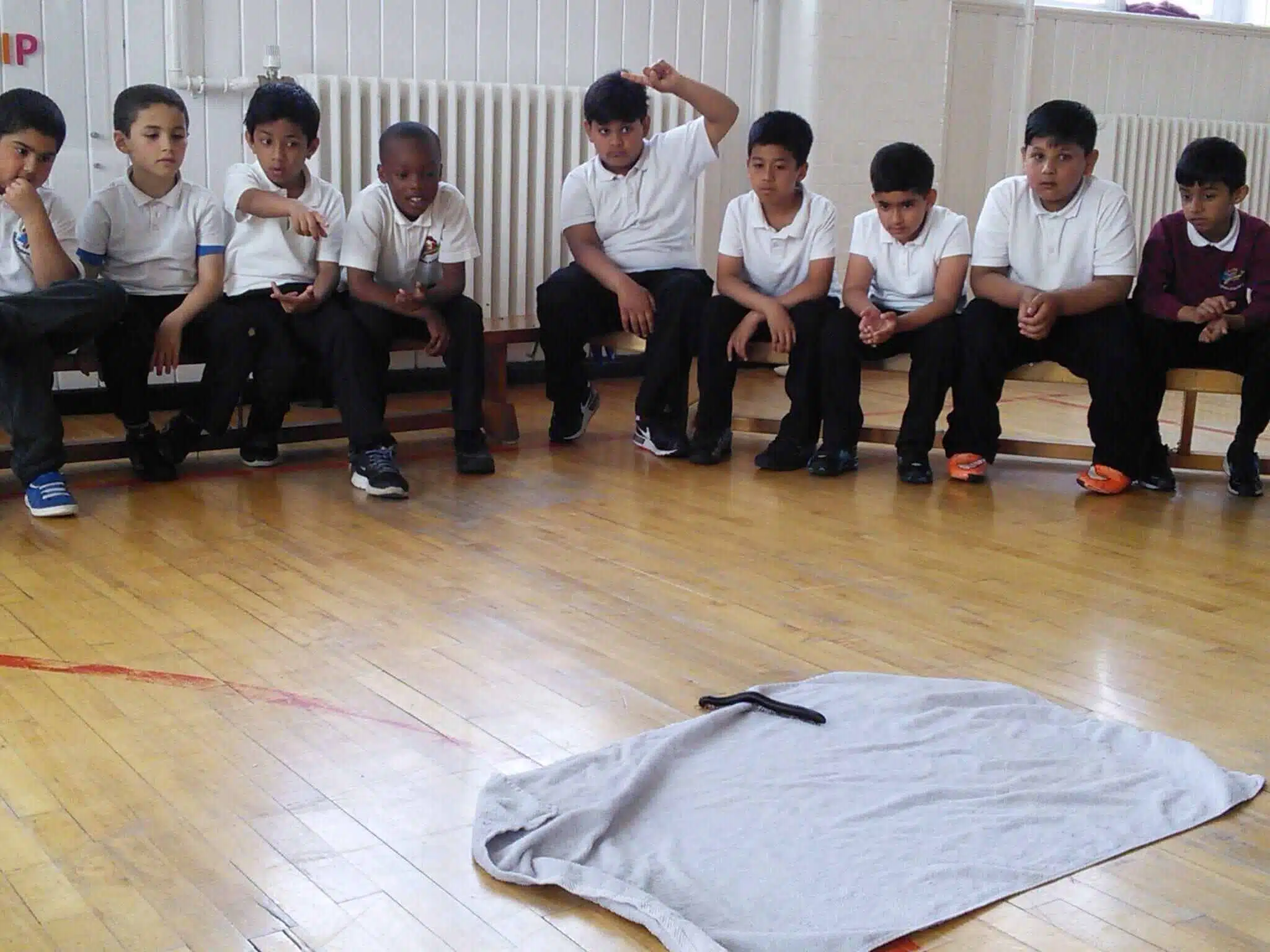
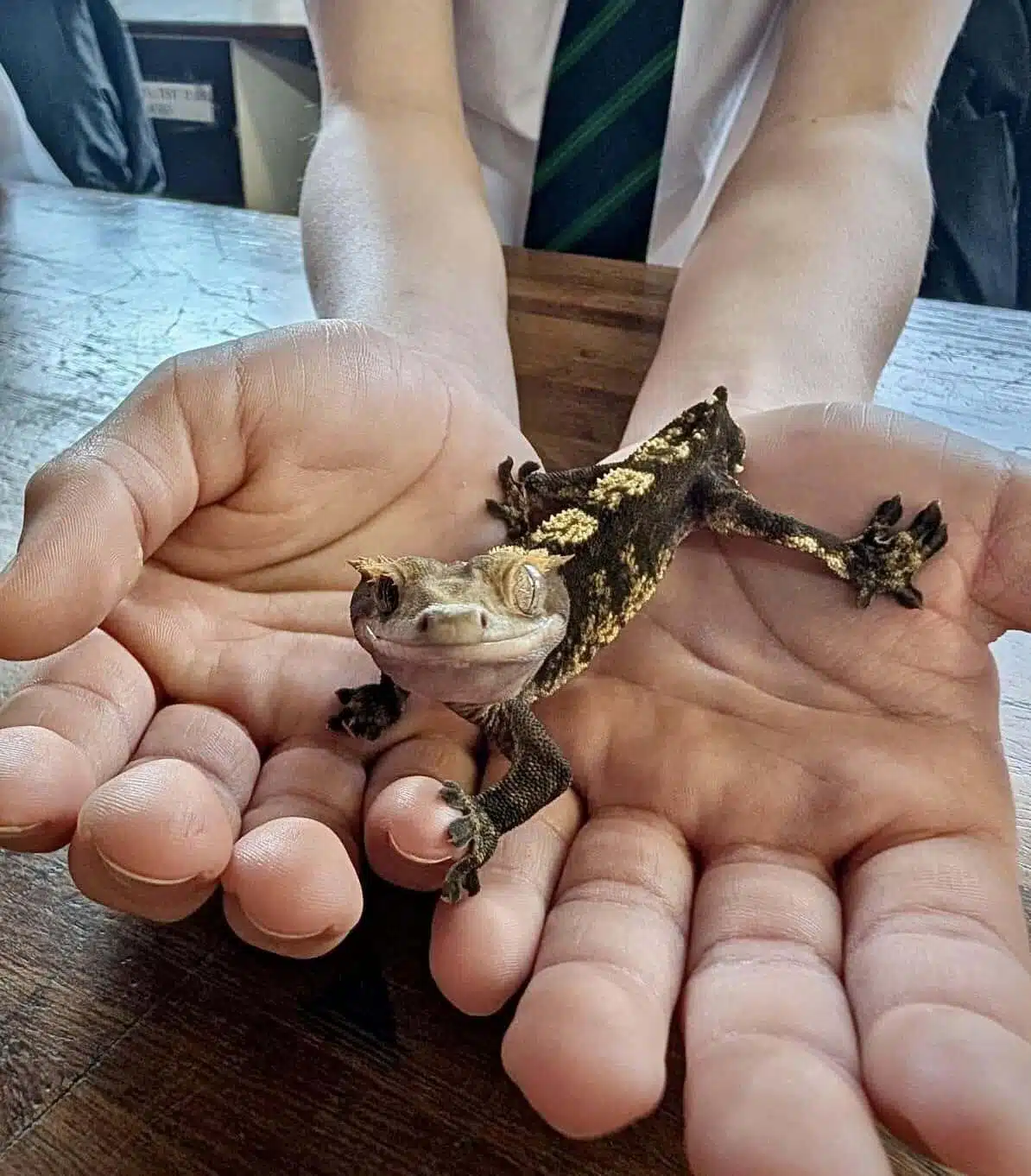
In this workshop, we discuss and display a wide variety of Nocturnal animals while allowing the students to touch, hold, and interact with them. It is a great way to discuss Nocturnal animals with primary, SEN, and secondary students for perhaps the first time.
In our workshop, we'll explore the differences between crepuscular, diurnal and nocturnal animals. And what makes their unique behaviors and adaptations so fascinating.
Crepuscular animals—deer, rabbits and some owl species—are most active during those twilight hours of dawn and dusk. That's when visibility is low, and they get a real advantage. They can evade predators, capitalise on cooler temperatures and forage for food while minimizing the risk of detection. That's a pretty effective way to live.
Diurnal animals—eagles, many primates and most humans—are adapted to be active during the day. Their excellent eyesight is a key adaptation that lets them navigate their environment, hunt for food and interact with others. Daylight offers diurnal creatures opportunities for foraging, mating and social interaction—and they rest at night to avoid potential threats.
By looking at these different lifestyles, we can learn a lot about how environmental factors shape animal behavior and survival strategies. Join us as we unravel the complexities of these fascinating adaptations in the animal kingdom.
What animals are used?
We offer a diverse range of reptiles, mammals, amphibians, and invertebrates. Our experts will primarily bring nocturnal animals to align with your workshops, but they can also include some diurnal species, allowing you to observe and compare their different characteristics.
Download our Activity sheet:
👉 Click here for a free download of the Nocturnal Animals Activity Sheet
Recommended Session Duration & Ages:
Our exciting Nocturnal Animals Workshop is designed for children of all ages! We're thrilled to customise the experience to ensure everyone has a fantastic time exploring the wonders of the night!
We recommend a workshop duration of 45 minutes to 1 hour for maximum engagement, but if you’d like more, we’d be delighted to extend it! For those interested in a full-day experience, we provide 6 exciting one-hour sessions, making it a perfect fit for students of all years or for your larger events.