



More about Rainforests Workshops
What is a Rainforest?
Rainforest Workshop: Meet the Animals
Step into the heart of the rainforest and come face-to-face with some of its most fascinating animals! Our Rainforest Workshop is an immersive, hands-on experience designed to inspire curiosity, learning, and a deeper connection with the natural world.
What to Expect
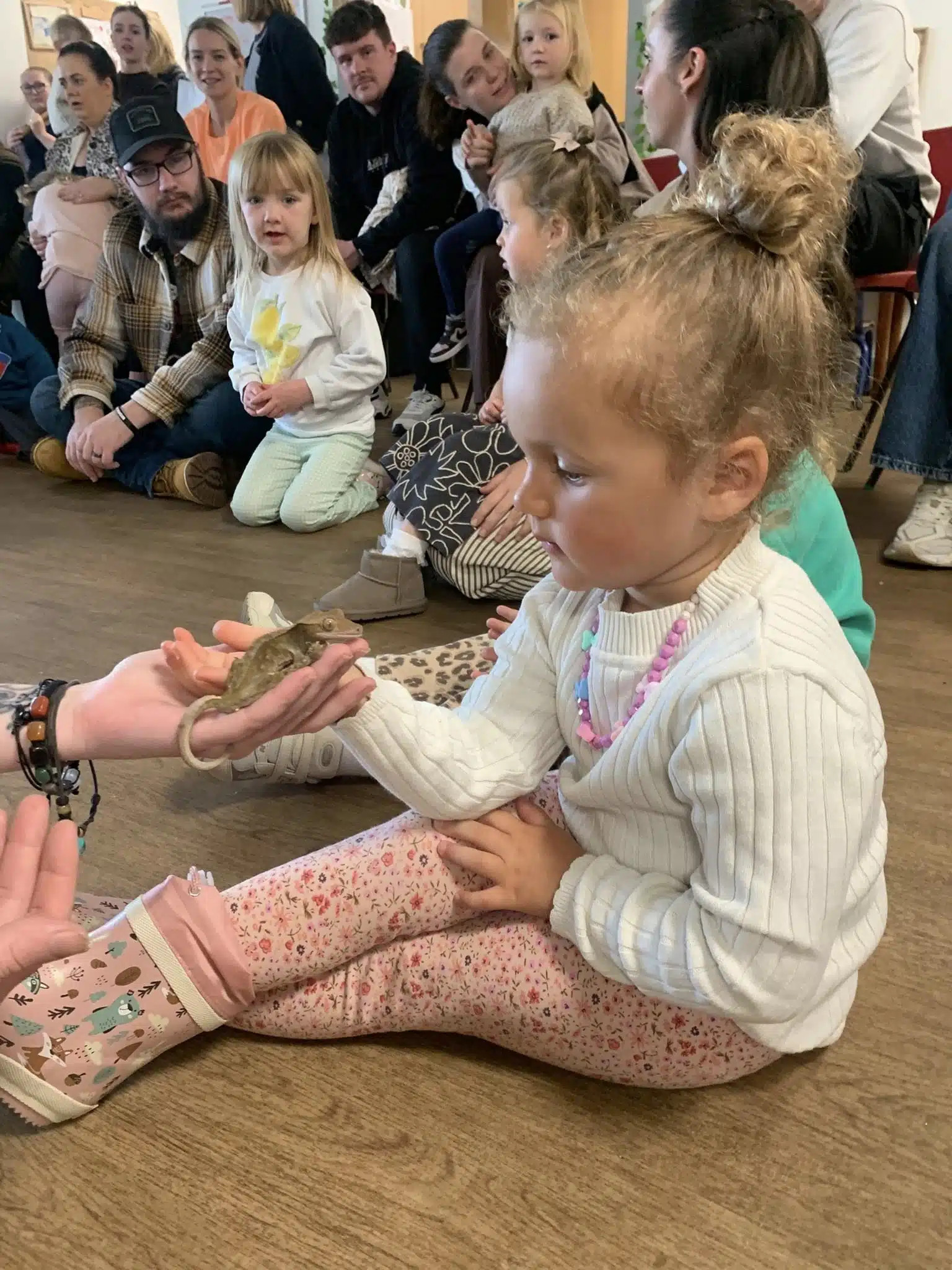
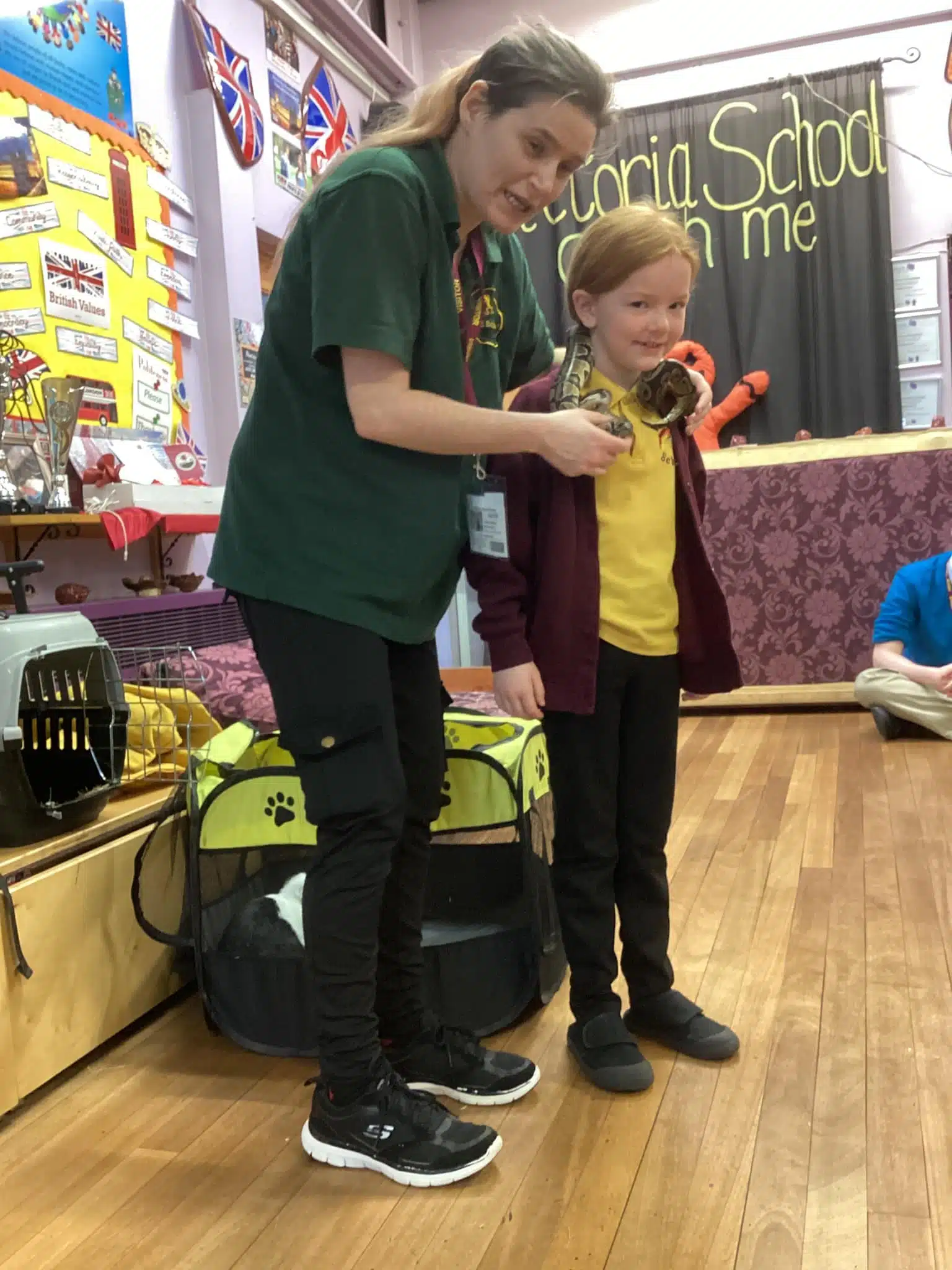
Journey through a vibrant rainforest setting as our expert guides introduce you to a variety of amazing creatures. Participants will have the opportunity to see, learn about, and safely interact with real animals, discovering how they live, hunt, and survive in one of the most diverse ecosystems on Earth.
You may meet:
- Colourful mammals
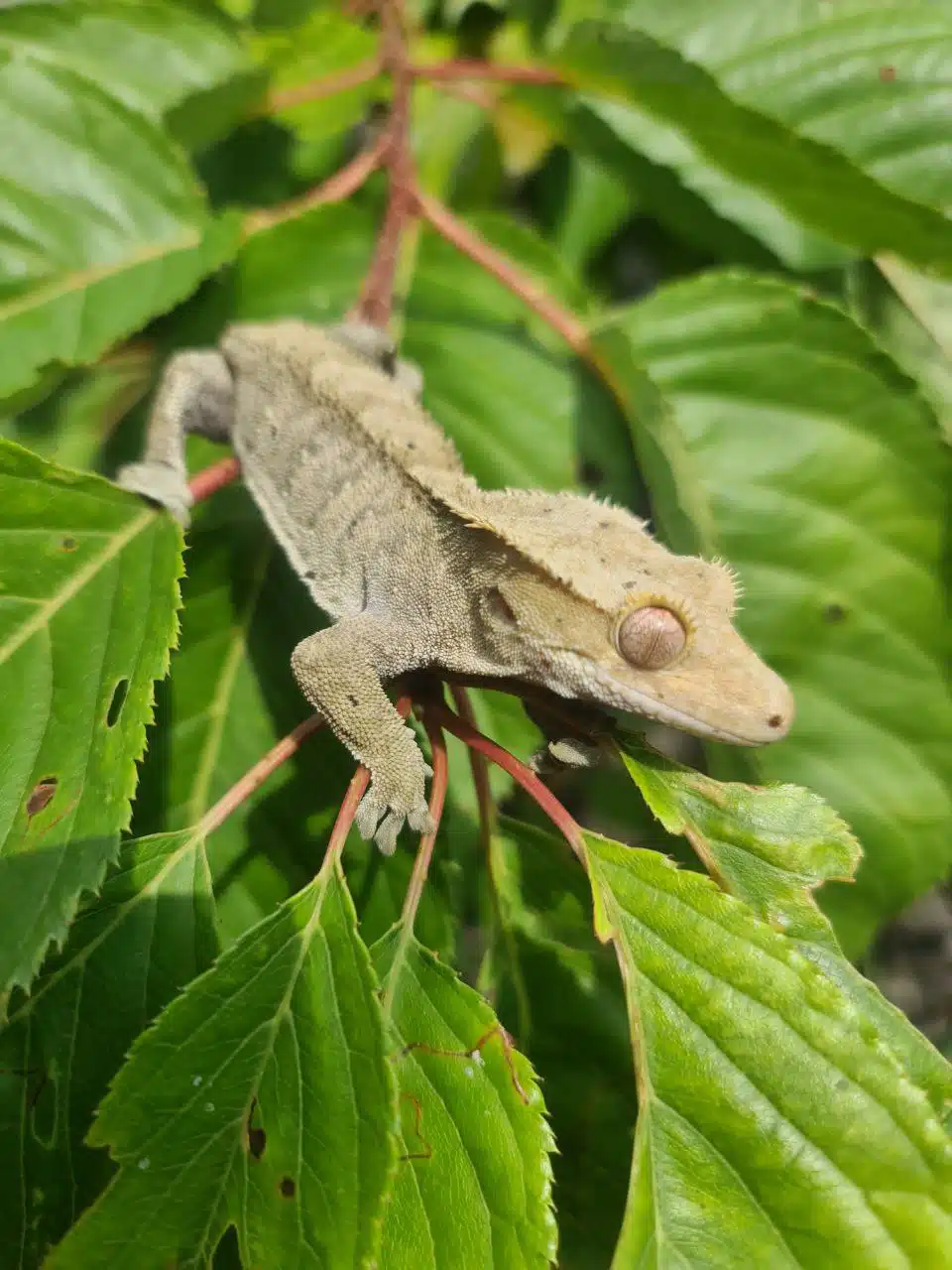
- Slithering snakes and gentle lizards
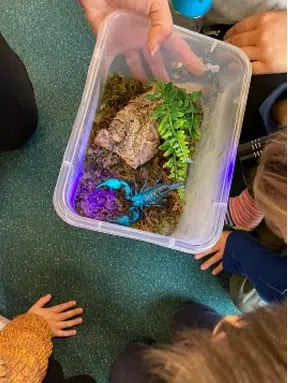
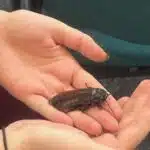
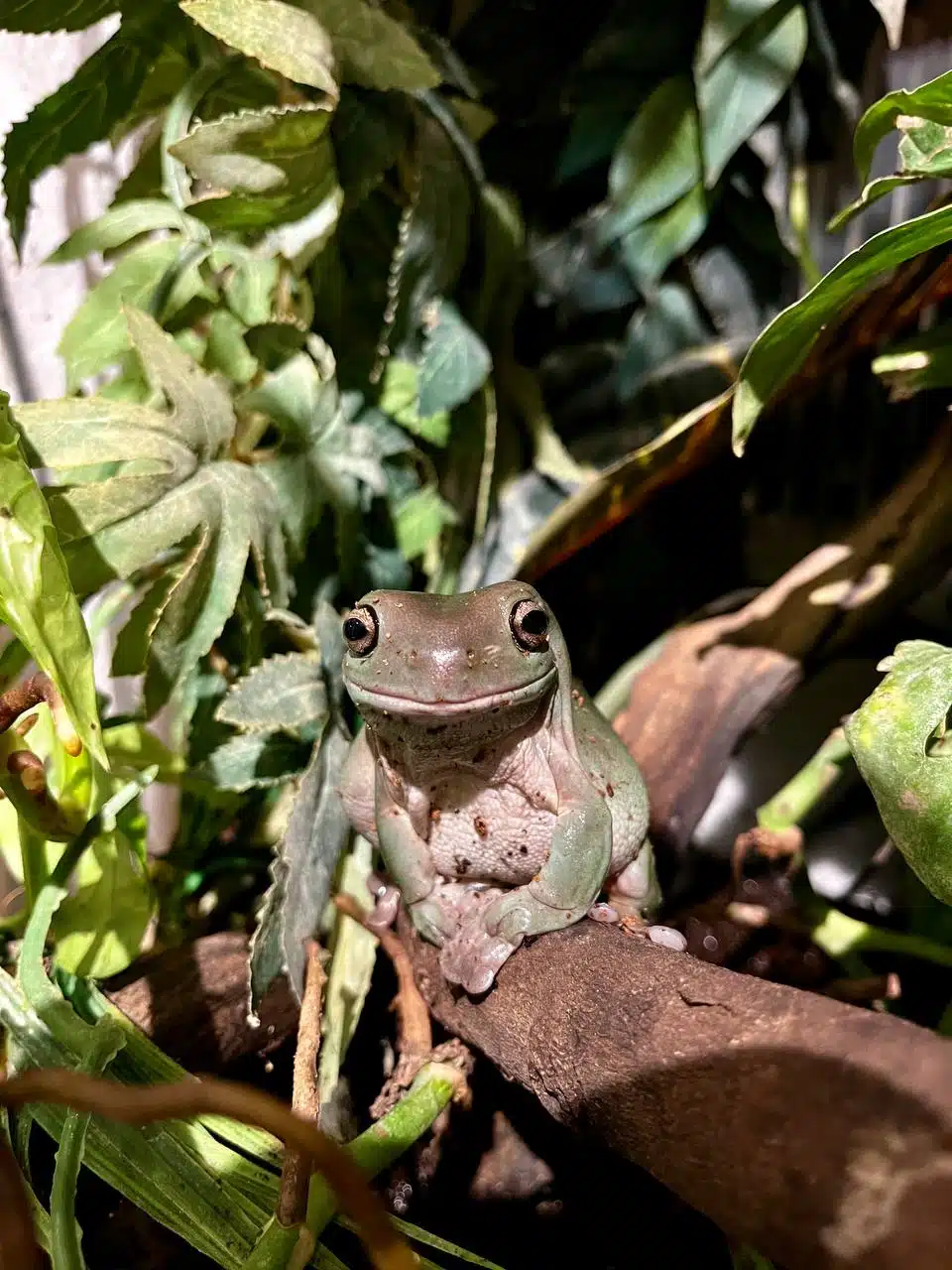
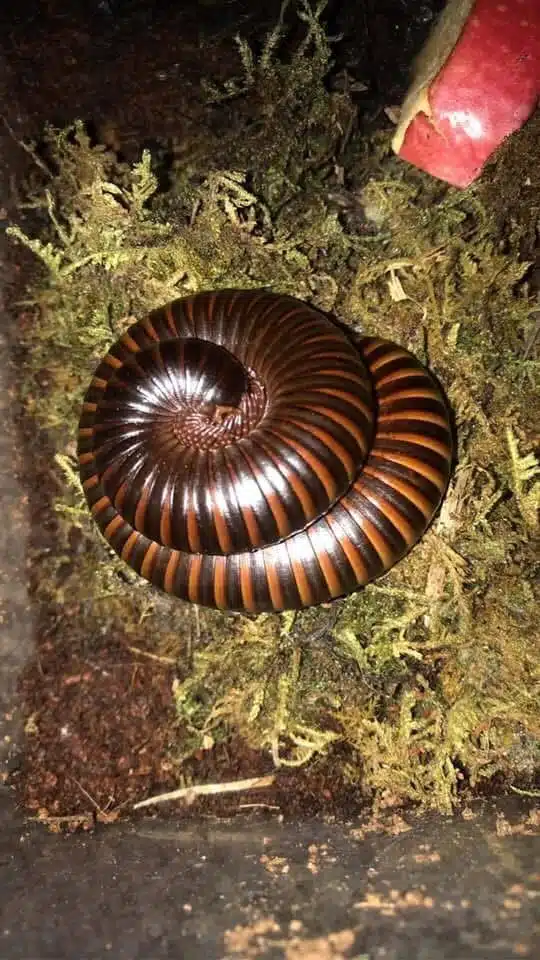
- Frogs, insects, and other species
Every animal encounter is guided by trained professionals who prioritise animal welfare and participant safety.
Learn Through Experience
This workshop goes beyond observation. Through interactive storytelling and demonstrations, you’ll learn about:
- Habitats and food chains
- Animal adaptations and survival skills
- The importance of conservation and protecting endangered species
Perfect for children, families, school groups, and nature lovers of all ages, the workshop blends education with excitement in a memorable way.
Why Join this Workshop?
- Hands-on animal encounters
- Educational and fun
- Led by knowledgeable animal experts
- Ideal for schools, parties, and group events
Whether you’re sparking a child’s love for wildlife or simply looking for a unique experience, the Rainforest Workshop offers an unforgettable adventure into the wild.
Book your Rainforest Workshop today and meet the animals that make the rainforest come alive! 🌿✨
There are two types of rainforests:
- Tropical rainforests are found near the equator in South America, Africa, Asia and Australia
- Temperate rainforests are found north or south of the equator in places like North America, Chile and New Zealand
Rainforests have four layers:
- Emergent Layer – the tallest trees above all others
- Canopy Layer – a thick ceiling of tree tops and climbing plants
- Understory – small trees and shrubs that thrive in low light
- Forest Floor – ground level where decomposing matter supports life and gets less than 2% of sunlight
These ecosystems are home to a huge number of species:
- 427 species of mammals
- 378 species of reptiles
- 400 species of amphibians
- 96,000 to 100,000 species of invertebrates in the Amazon Rainforest alone
Rainforests are the life on Earth. They have two-thirds of all plant species, food, shelter and oxygen for the planet. The rich plant life supports even more animal life, all living in wet and humid environments.
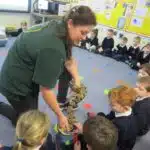
We discuss and display a variety of real rainforest animals, giving students the opportunity to touch, hold, and interact with them—an unforgettable way to bring science to life!
Download our Activity Sheets here:
What is the Core Focus?
- What is a Rainforest?
- Where are the Rainforests?
- Layers of the Rainforest
- What animals are in each Layer?
What Animals are used?
A mix of Mammals, Reptiles/Amphibians and Invertebrates is used for this topic.
Note: While we can’t bring rainforest plants or recreate the environment, we bring the animals for hands-on learning and interaction.
Recommended Session Duration & Ages:
Our Rainforest Workshop is perfect for children of all ages!. We can tailor our approach to any age group, ensuring everyone has a fantastic time discovering the wonders of the rainforest.
We find that 45 minutes to 1 hour works best for engagement, but we’d be happy to extend it if you prefer. For those seeking a full-day adventure, we offer six thrilling one-hour sessions, making it an excellent choice for students of all ages or larger events. Join us for a delightful exploration that sparks creativity and joy!