



More about Skeletons and Teeth
What is a vertebrate / invertebrate?
Skeletons and Teeth
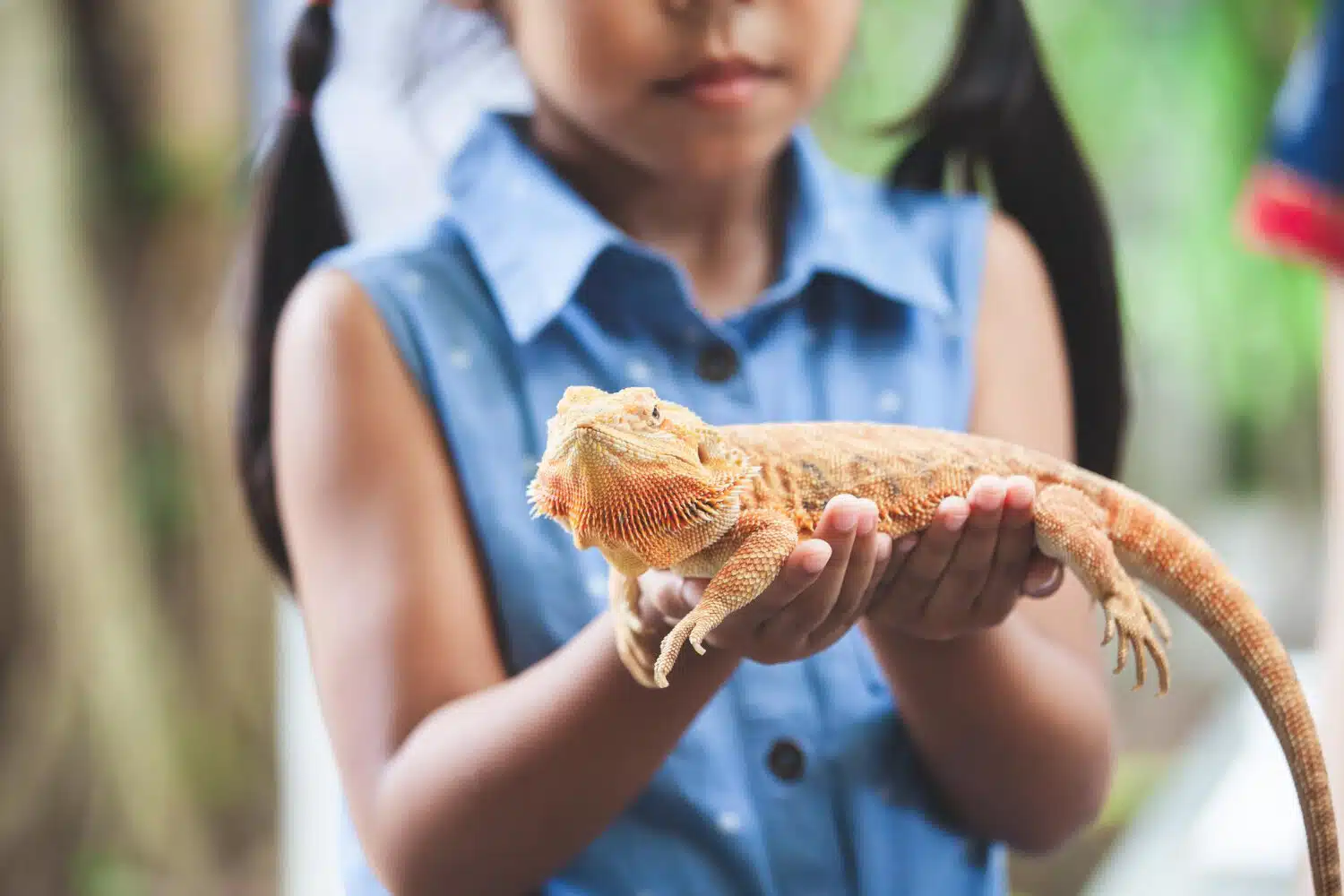
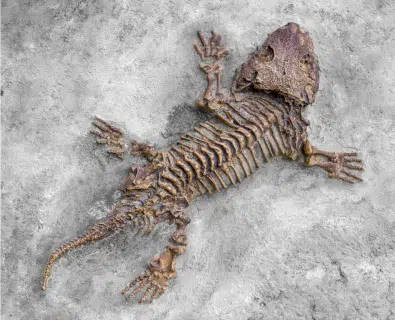
Humans and certain species of animals can move around every day because we are supported by an internal skeleton (a skeleton on the inside). All vertebrates (animals with a spine), such as fish, reptiles, amphibians, mammals, and birds, look very different at first glance but surprisingly share some basic characteristics. Over time, they will have developed certain adaptations to allow them to survive in their chosen habitats.
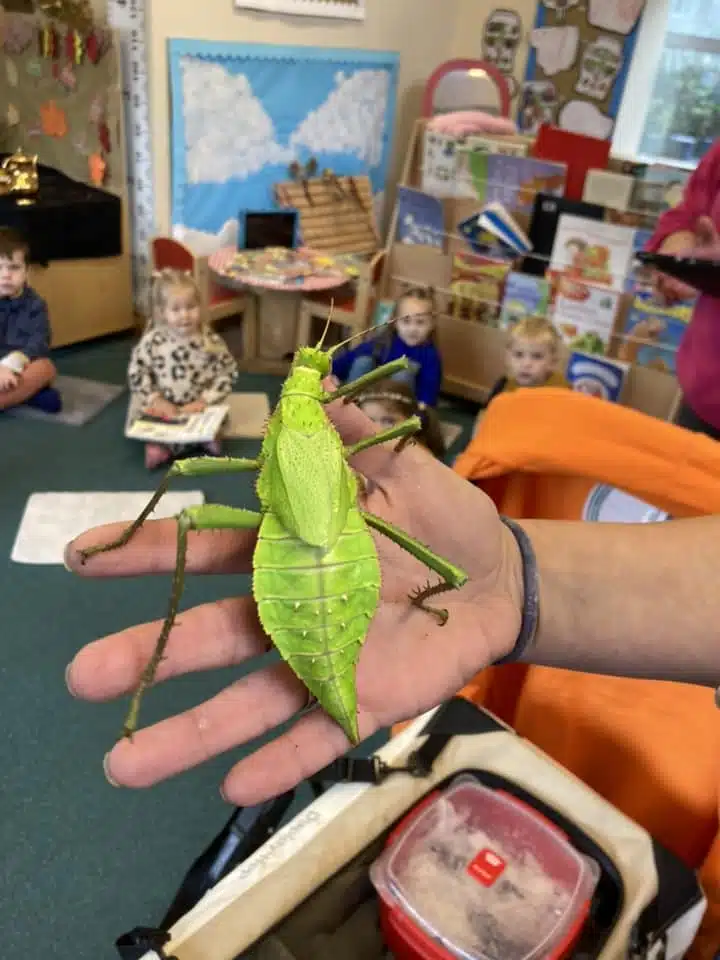
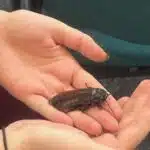
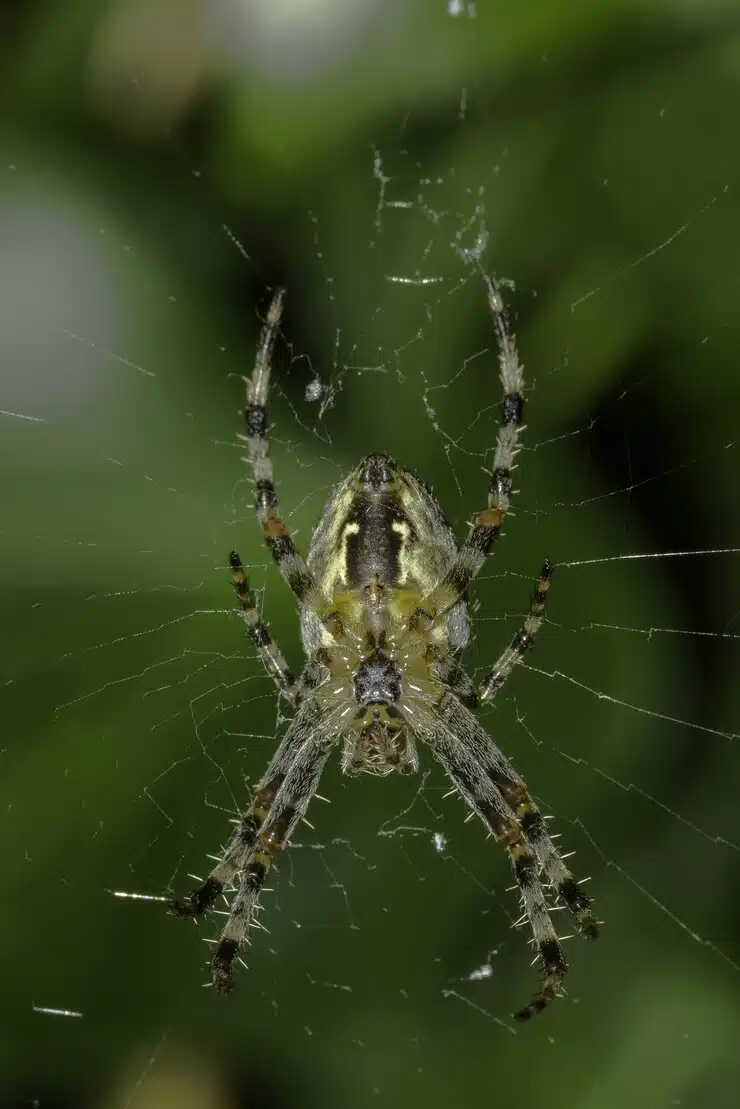
Animals such as invertebrates (animals with no backbone/spine) are built quite differently, some having an exoskeleton (skeleton on the outside) to protect them. Having no backbone makes the animals very soft and flexible, making them easy prey for predators, resulting in the exoskeleton protecting it like a suit of armour.
Our skeletons are anchors for our muscles, which pull our bones in different directions. They also provide support and protection. Without a skull protecting the most vital organ in our body, it would be very badly damaged.
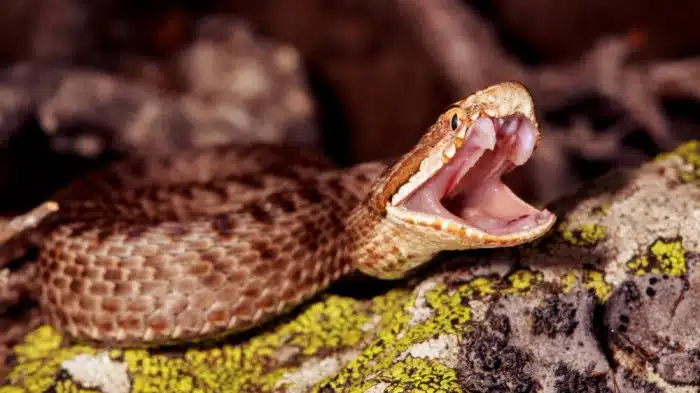
All animals, including humans, are adapted to eating certain types of food. Herbivores eat plants and have flat teeth for grinding. Carnivores, meat eaters, have sharp teeth for tearing. Omnivores eat both plants and meat and have both flat and sharp teeth.
Most insects, arachnids, and invertebrates have slightly different teeth than other animals, most of which have teeth called mandibles or fangs.
Download our Activity sheet:
👉 Click here for a free download of the Skeleton & Teeth Activity Sheet
What is the Core Focus?
- What is a vertebrate / invertebrate?
- How do we move?
- How are we similar?
- Do all invertebrates have an exoskeleton?
- What are the differences between the different types of teeth?
- What are animals able to eat?
- How do we move?
What Animals are used?
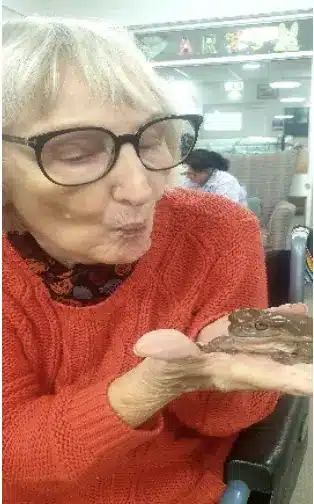
A mix of Mammals, Reptiles/Amphibians and Invertebrates are used for this topic.
Recommended Session Duration and Ages:
Our Skeleton & Teeth Workshop is designed for children of all ages! Also can get confusing for children under 5. We're thrilled to customise the experience to ensure everyone has a fantastic time exploring the wonders of the animal body.
We recommend a workshop duration of 45 minutes to 1 hour for maximum engagement, but if you’d like more, we’d be delighted to extend it! For those interested in a full-day experience, we provide 6 exciting one-hour sessions, making it a perfect fit for students of all years or for your larger events.