



More about Classifications
Classification of Animals: A Taxonomy for All Living Things
Classification, or Taxonomy in biology, is the scientific method of grouping living organisms based on shared characteristics. This process includes all forms of life, from animals to plants, so scientists can categorise species, track their history, and understand how they are related.
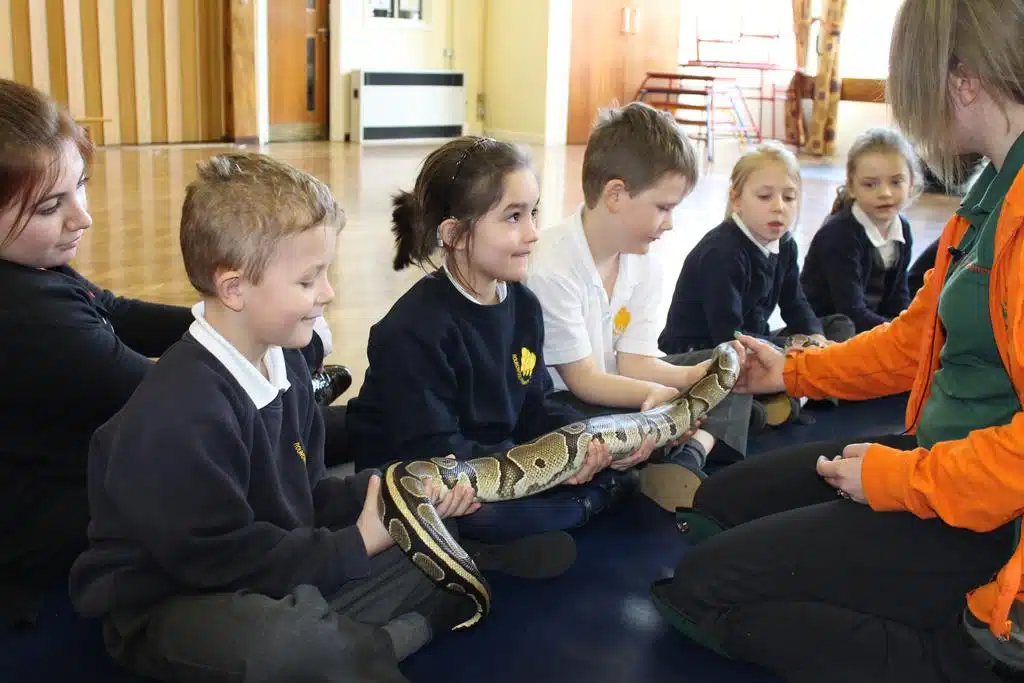
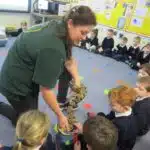
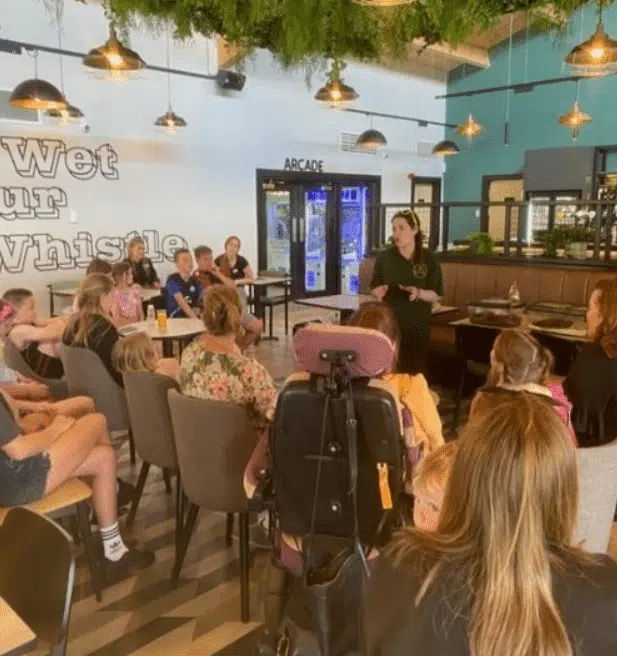
At Wild Science, our Animal Classification Workshop lets students get up close and personal with this cool topic. We teach students why animals belong to certain groups by looking at what they look like, where they live and what they eat. These observable traits help us determine which group the animal belongs to.
At Wild Science, our Animal Classification Workshop introduces students to the fascinating world of taxonomy. We explore a variety of live animals from different groups and provide an interactive and hands-on learning experience.
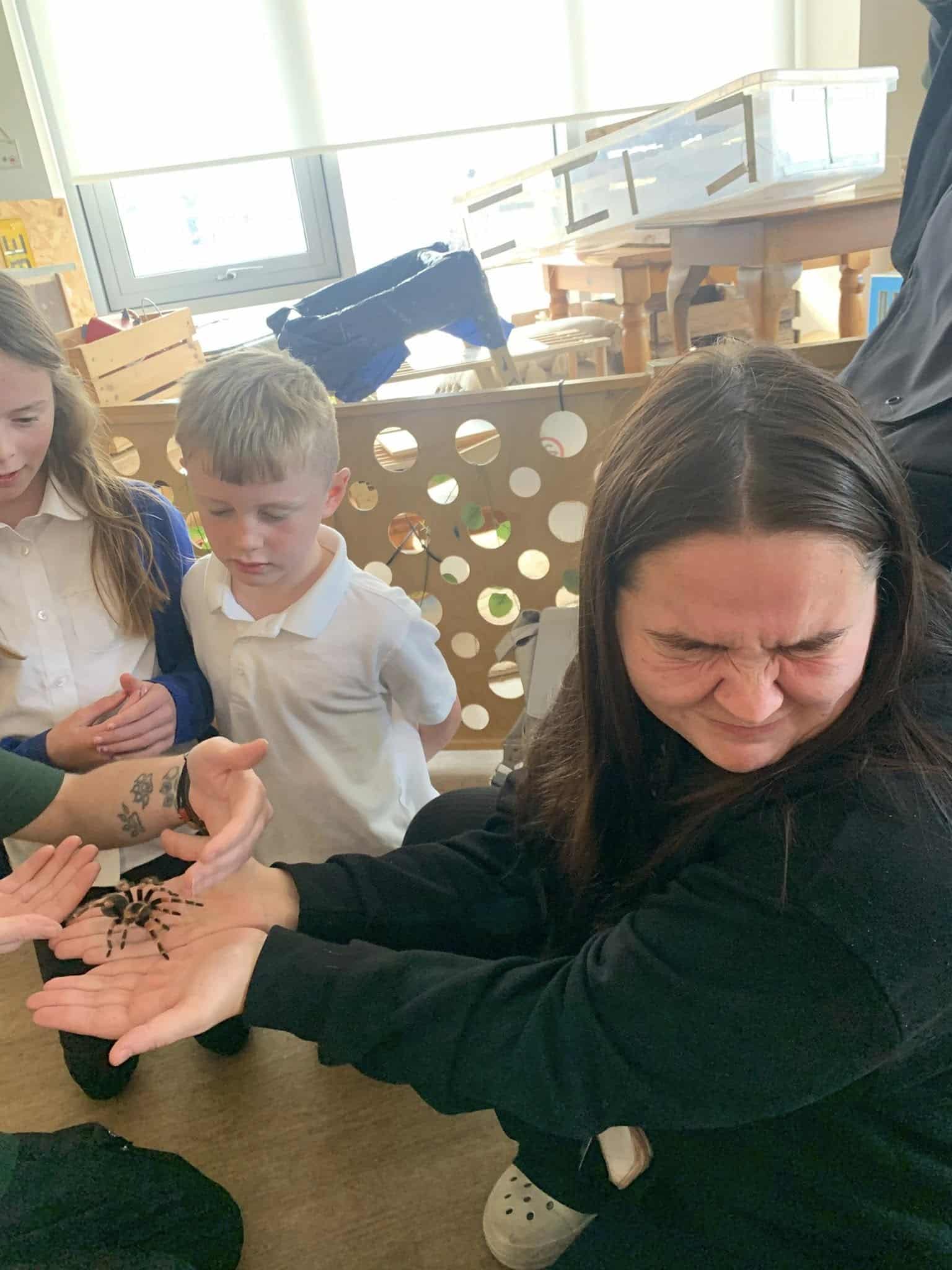
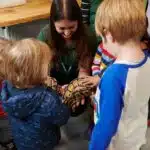
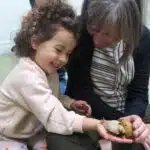
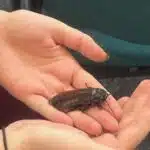
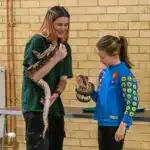
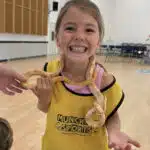
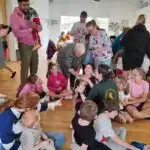
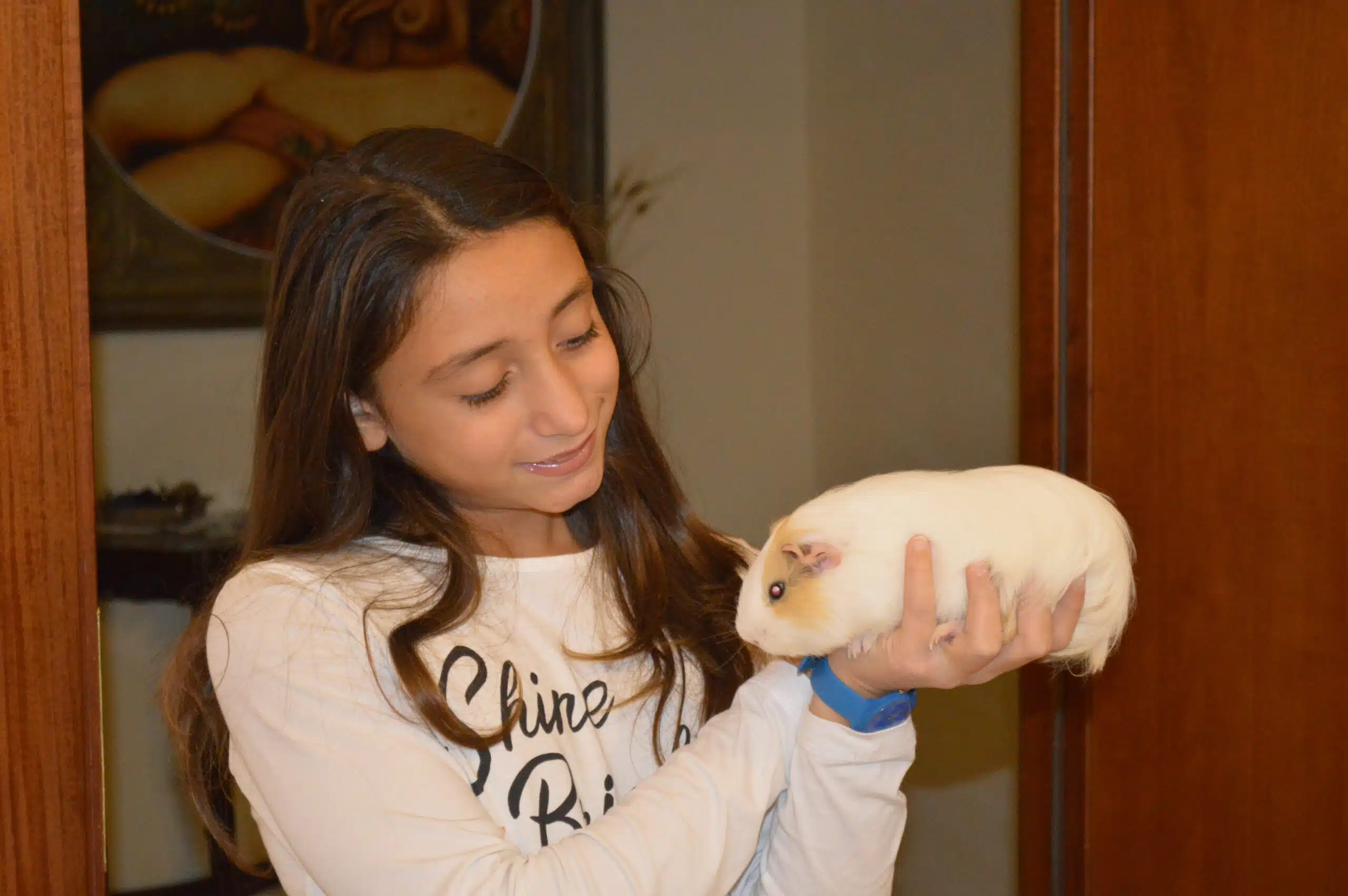
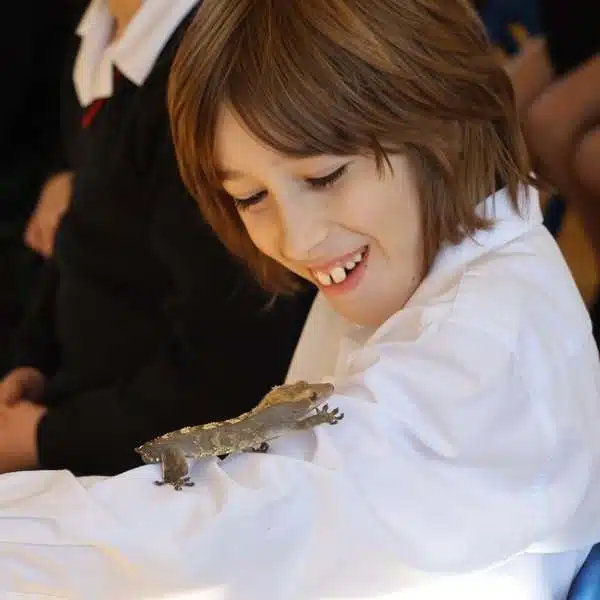
Furthermore, students get to see, touch, and hold animals (depending on group size) and learn about animal classification and why it’s important.
We keep the sessions fun and interactive, introducing basic classification concepts with live animals and interactive activities. This is a great introduction for primary school children. Additionally, we go into further detail for pupils in secondary school.
At Wild Science, we make learning fun and memorable. Our workshops combine education and interaction so students can connect with science in a way a textbook can’t.
With professional animal handlers and a variety of animals, we provide a safe, enjoyable, and enriching experience for all.
Bring the wonders of taxonomy to your classroom and watch your students discover the amazing diversity of life on Earth
Explore our Live Animal Experiences or learn about Mammals and Invertebrates for more engaging workshops.
Download our Activity Sheets here:
What is the Core Focus?
- Why do we have different classification groups?
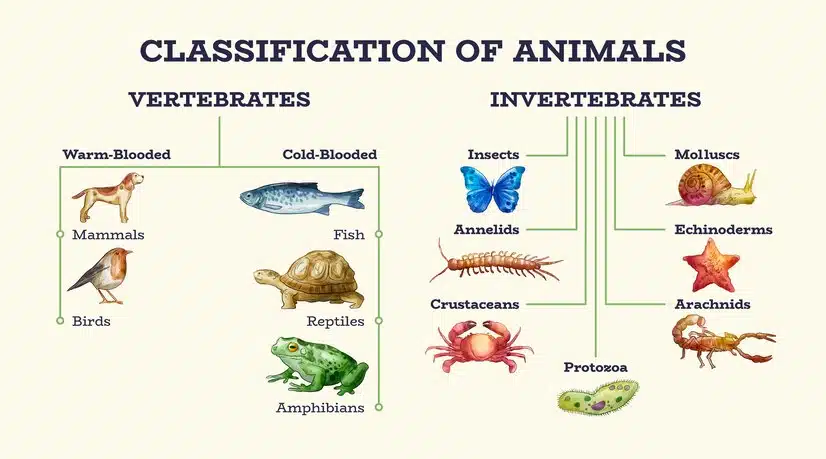
- What are the main animal groups?
- What is a vertebrate and an invertebrate?
- What is an arthropod?
- How do we use appearance, habitat, and diet to classify animals?
What Animals are used?
This session includes a varied mix of mammals, reptiles, amphibians, and invertebrates such as:
- Pythons
- Lizards
- Tarantulas
- Guinea pigs
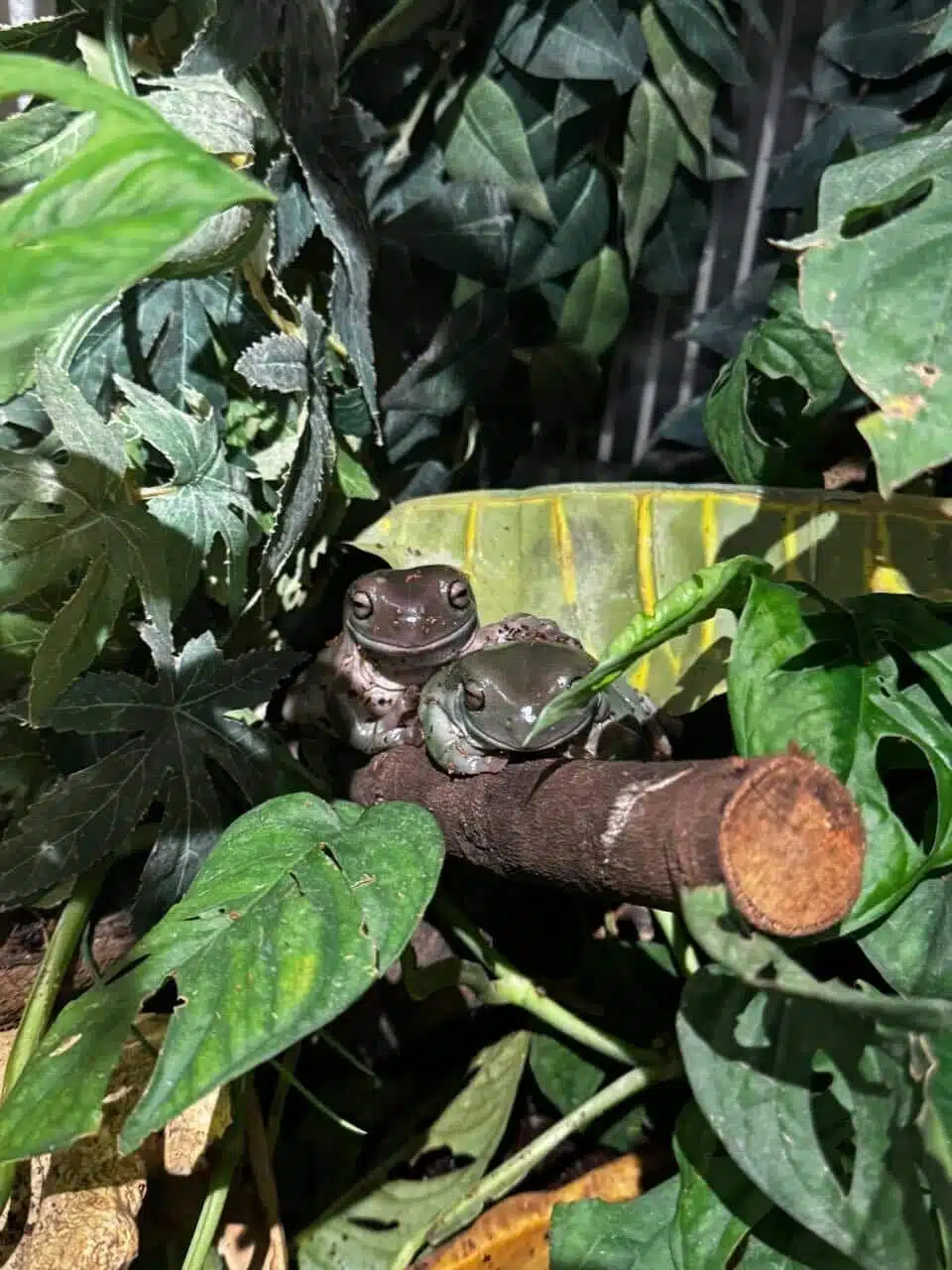
- Frogs
Please note: We do not include birds in this classification session. This is a common question, and we want to clarify in advance.
We always aim to offer a diverse mix of animals. However, specific animals may vary on the day. In smaller groups, a more hands-on experience is possible, allowing students to handle and closely observe the animals. In larger groups, while still interactive, handling may be limited due to time and safety.
If you have any questions, please do not hesitate to contact our friendly office team for more details either over the phone at 03301131136 or give us a message on WhatsApp
Recommended Session Duration & Ages:
Our Classification Workshop is perfect for children 6 years and over. This is a common subject taught in year 2 and can be more confusing for younger children. But this doesn’t stop them from learning about classifications; we can adapt our workshop to work best for the children's age.
To create the most engaging experience, we suggest a workshop length of 45 minutes to 1 hour. However, if you're eager for more, we're thrilled to extend the duration! We even offer full days filled with 6 x 1-hour sessions, perfect for students across all years or for your large events.