



More about Food Chains / Webs
What is a Food Chain
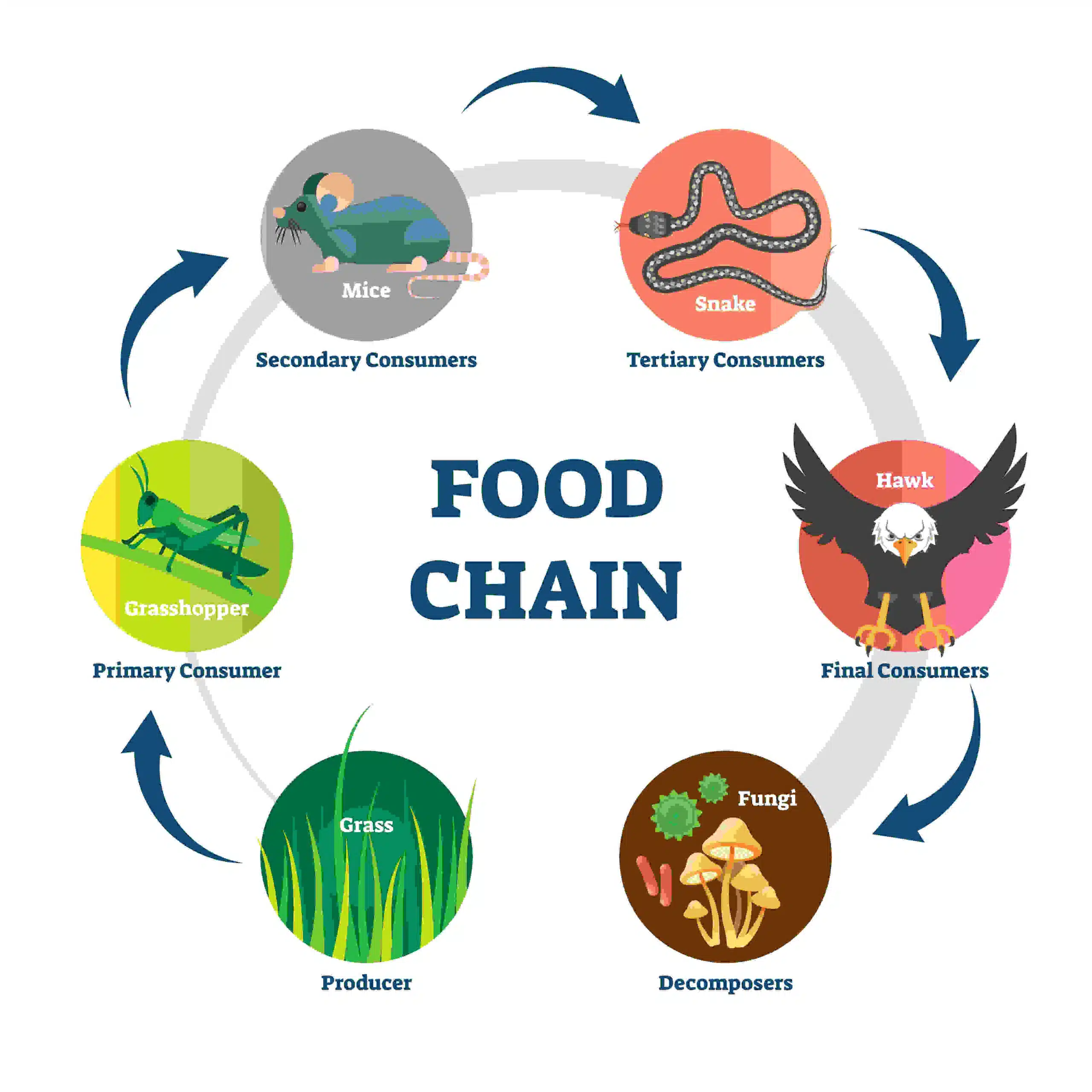
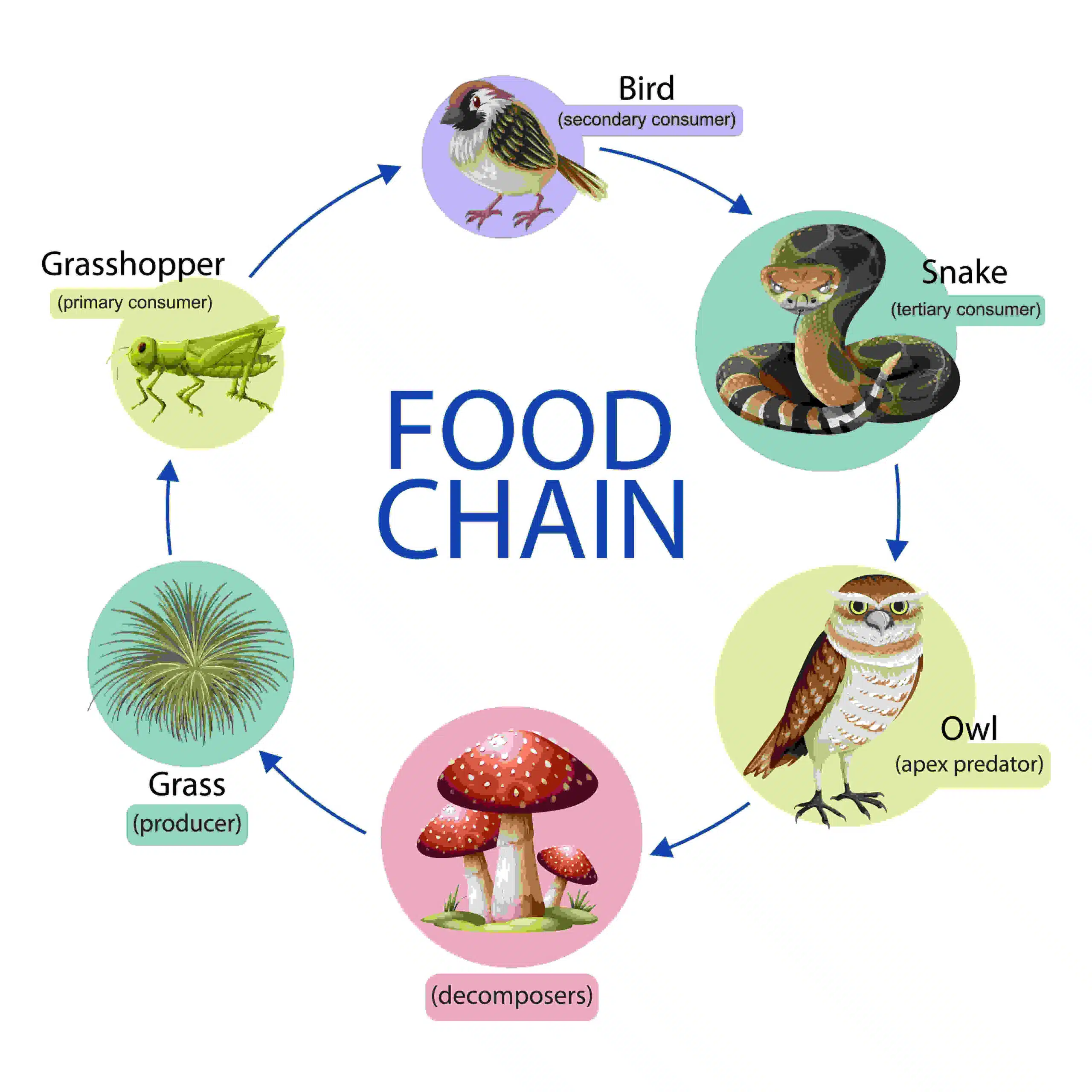
All living things need food to survive. A Food Chain is how each living thing gets its food.
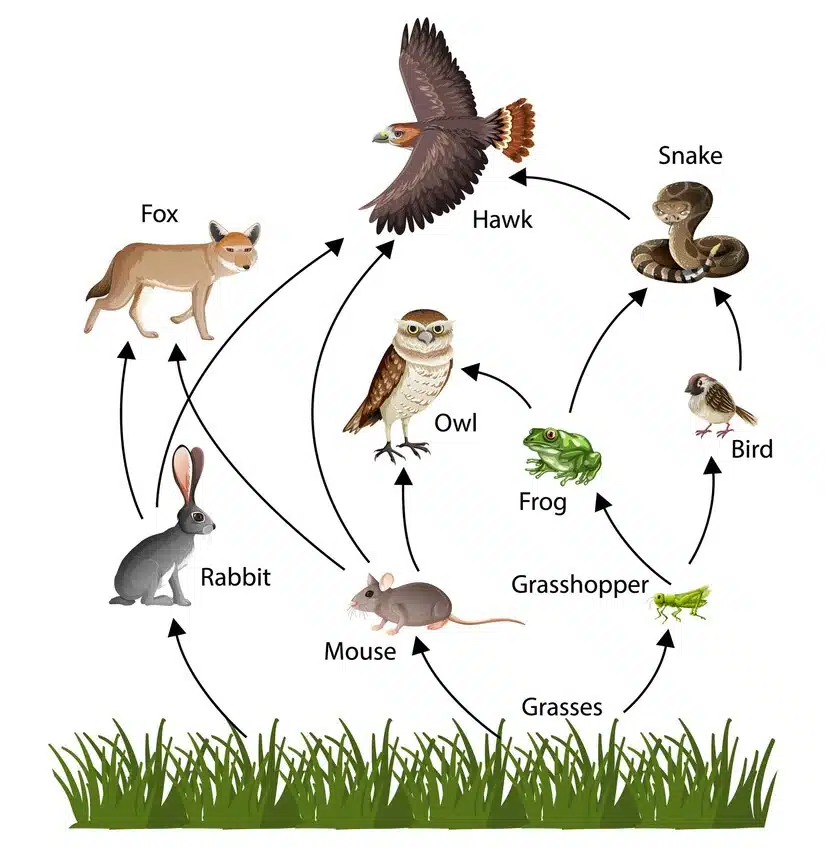
Unlike a food web that shows interconnectivity, a food chain only follows one path based on a predator/prey hierarchy. If preferred, this session can focus on Food Webs too.
It is based on three groups: the producer, consumer/prey, and predator. A simple example is the fox hunting the rabbit, and the rabbit eating the carrot. In this scenario, the carrot is the producer, the rabbit is the consumer/prey, and the fox is the predator.
An animal’s place in the Food Chain depends on its diet. The groups of different diets are Carnivore (eats meat), Herbivore (vegetarian) and Omnivore (not fussy) with carnivores generally at the top of their respective chain.
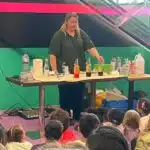
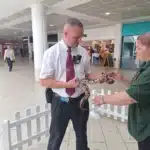
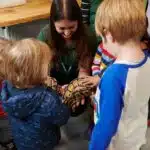
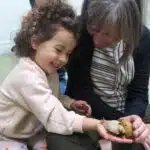
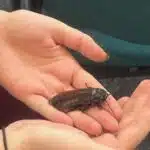
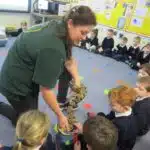
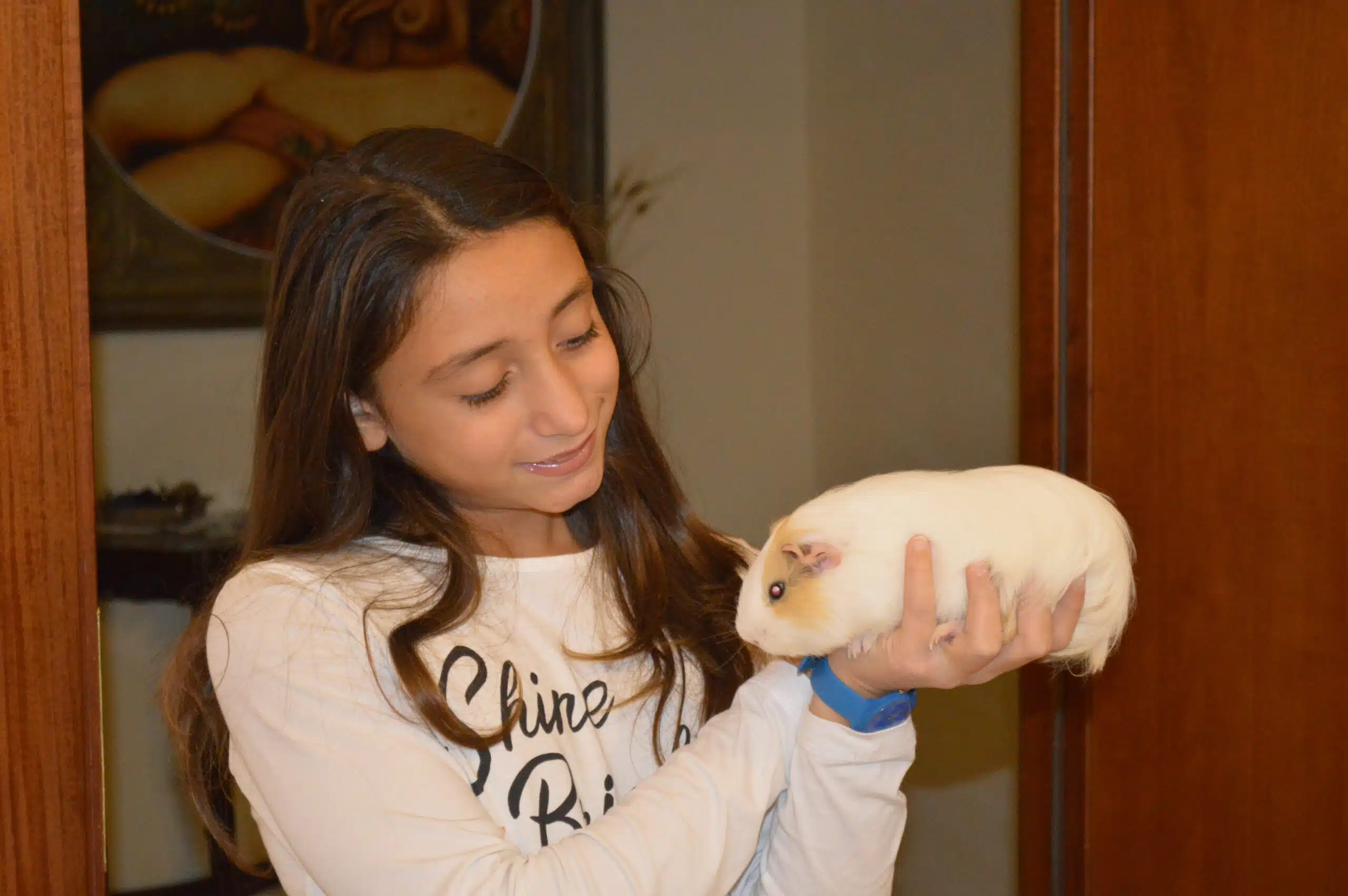
In this workshop, we discuss and display animals in different parts of the Food Chain, giving the students the chance to touch, hold, and interact with them.
What is the Core Focus?
- What is a Food Chain/Food Web?
- Carnivores, Herbivores and Omnivores
- Producers, Consumers, and Predators/Prey
What Animals are used?
We use a mix of mammals, reptiles, amphibians, and invertebrates for this topic.
👉 Click here for a free download of the Food Chain & Web Activity Sheet for Younger Children.
👉 Click here for a free download of the Food Chain & Web Activity Sheet for Older Children.
Recommended Session Duration & Ages:
Our Food Chains/Webs Workshop is perfect for children aged 6 and up! We welcome kids of all ages and are eager to tailor the experience to meet everyone's needs. Come learn with us!
We recommend a workshop duration of 45 minutes to 1 hour for maximum engagement, but if you’d like more, we’d be delighted to extend it! For those interested in a full-day experience, we provide 6 exciting one-hour sessions, making it a perfect fit for students of all years or for your larger events.