



The coolest facts about animals for kids
Animals are some of the coolest living creatures on our planet. From small mammals with soft fur to fascinating reptiles and unusual invertebrates, the animal kingdom is full of unique animals that spark curiosity in kids and adults alike. In this article, you'll discover the coolest animal fact that might surprise you.
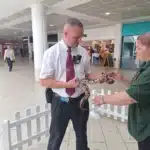
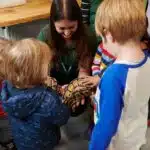
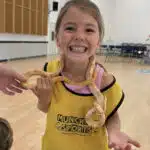
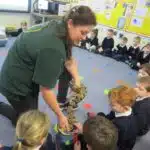
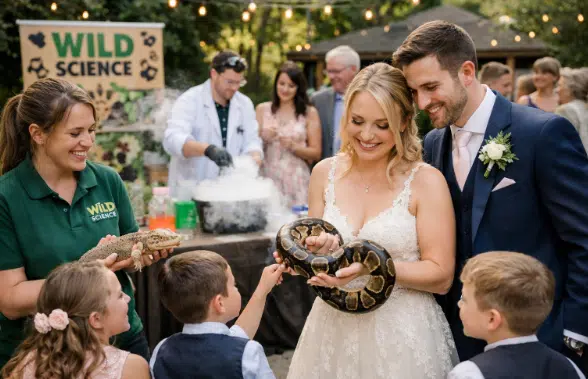
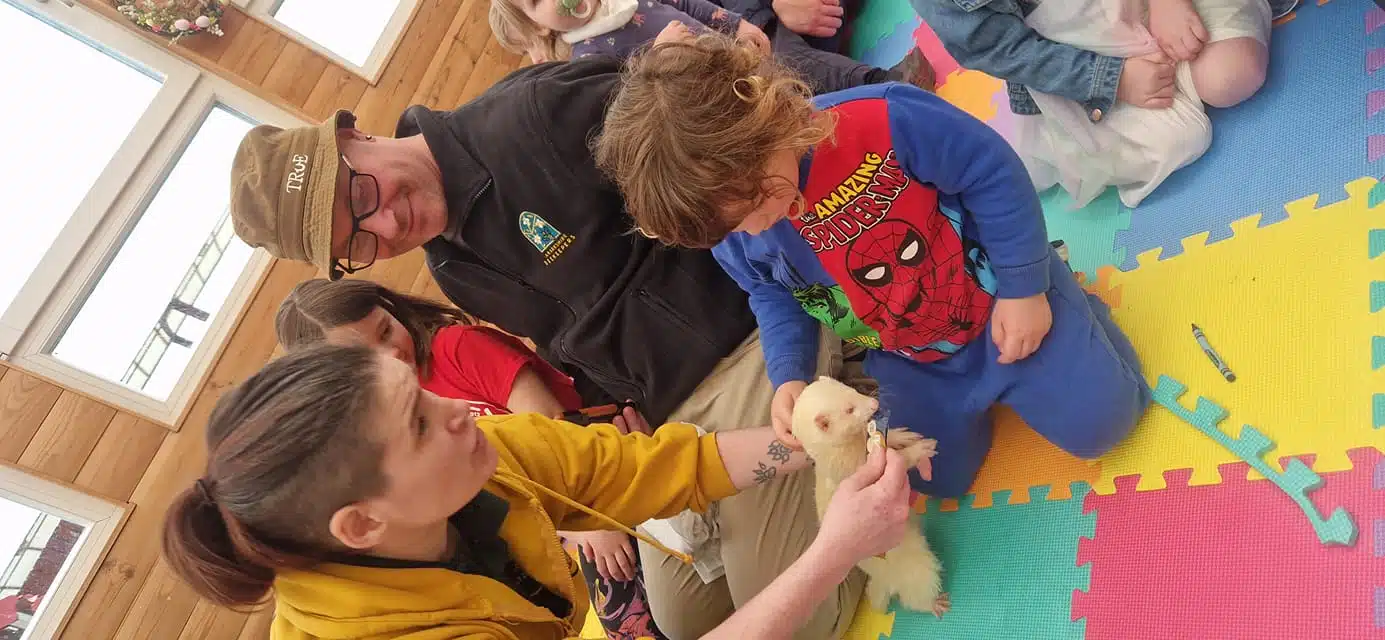
At Wild Science, we bring these interesting animals directly to schools, birthday parties, and educational events across the UK. Our interactive animal encounters allow children to observe real animals up close, learn fun facts, and understand how wildlife survives in different environments. These hands-on experiences create unforgettable learning moments while helping children build respect for animals and nature.
Watching animals move, eat, hunt, and interact helps young learners understand ecosystems, natural habitats, and conservation efforts. Whether it is observing a guinea pig’s playful antics or learning how snakes catch prey, every encounter builds excitement and knowledge.
Don’t miss out on bringing these awesome animals to your school, party or event. Contact Wild Science to book an unforgettable experience of animal fun and learning about the coolest animal facts.
Let’s explore the top 10 coolest animals that are fun to watch and learn about.
1. Guinea Pigs
Guinea pigs are gentle small mammals that are perfect for younger children. Their soft fur, round ears, and friendly behaviour make them ideal for hands-on animal workshops. Kids enjoy watching them nibble vegetables and communicate with happy squeaks.
These animals help children learn about mammal care, varied diets, and how solitary animals differ from social species. Guinea pigs also teach responsibility and empathy, especially when children understand feeding routines and habitat needs.
Book a Guinea Pig Encounter with Wild Science
2. Rabbits
Rabbits are one of the most loved animals in the world. Their long legs, hopping movements, and brown fur patterns make them fascinating to watch. During encounters, children learn about herbivores, breeding seasons, and how rabbits survive in natural habitats.
Rabbits also help explain habitat loss and why conservation efforts matter for wild animals that depend on grasslands and dense forests.
Book a Rabbit Encounter with Wild Science
3. Chinchillas
Chinchillas .are famous for their extremely soft fur and playful antics. Originally from cold climates in South America, they show children how animals adapt to survive in harsh environments
Watching chinchillas jump and explore teaches kids about nocturnal animals, body weight differences, and unique abilities that help animals regulate temperature and avoid predators.
Book a Chinchilla Encounter with Wild Science
4. Snakes
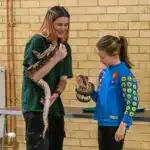
Snakes are among the most interesting animals in the reptile world. Corn snakes and royal pythons allow children to learn about scales, cold-blooded animals, catching prey, and how snakes use scent glands to find food.
These encounters also reduce fear and misinformation. Kids discover that most snakes are gentle giants when handled correctly and that only some species produce venom requiring antivenom treatment.
Book a Snake Encounter with Wild Science
5. Lizards
Lizards display incredibly interesting traits such as camouflage, colour change, and long tails that can regenerate. Watching them move helps children understand cold-blooded animals and survival strategies.
They also introduce topics such as habitat destruction and climate change, which affect reptile populations across different environments, including Southern Europe and Southeast Asia.
Book a Lizard Encounter with Wild Science
6. Frogs
Frogs are amphibians with webbed feet and permeable skin. They are excellent teaching tools for explaining life cycles, from tadpoles to adults.
Children also learn how frogs help control insect populations and why wetlands are vital natural habitats. Frogs demonstrate how animals can live both on land and near water sources.
Book a Frog Encounter with Wild Science
7. Tarantulas
Tarantulas are big, hairy spiders that fascinate many with their appearance. Learning about their role in controlling insect populations and their unique defence mechanisms gives a deeper appreciation for invertebrates. Handling sessions with tarantulas can demystify these often misunderstood creatures.
Book a Tarantula Encounter with Wild Science
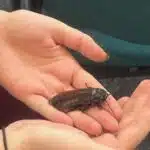
8. Stick Insects
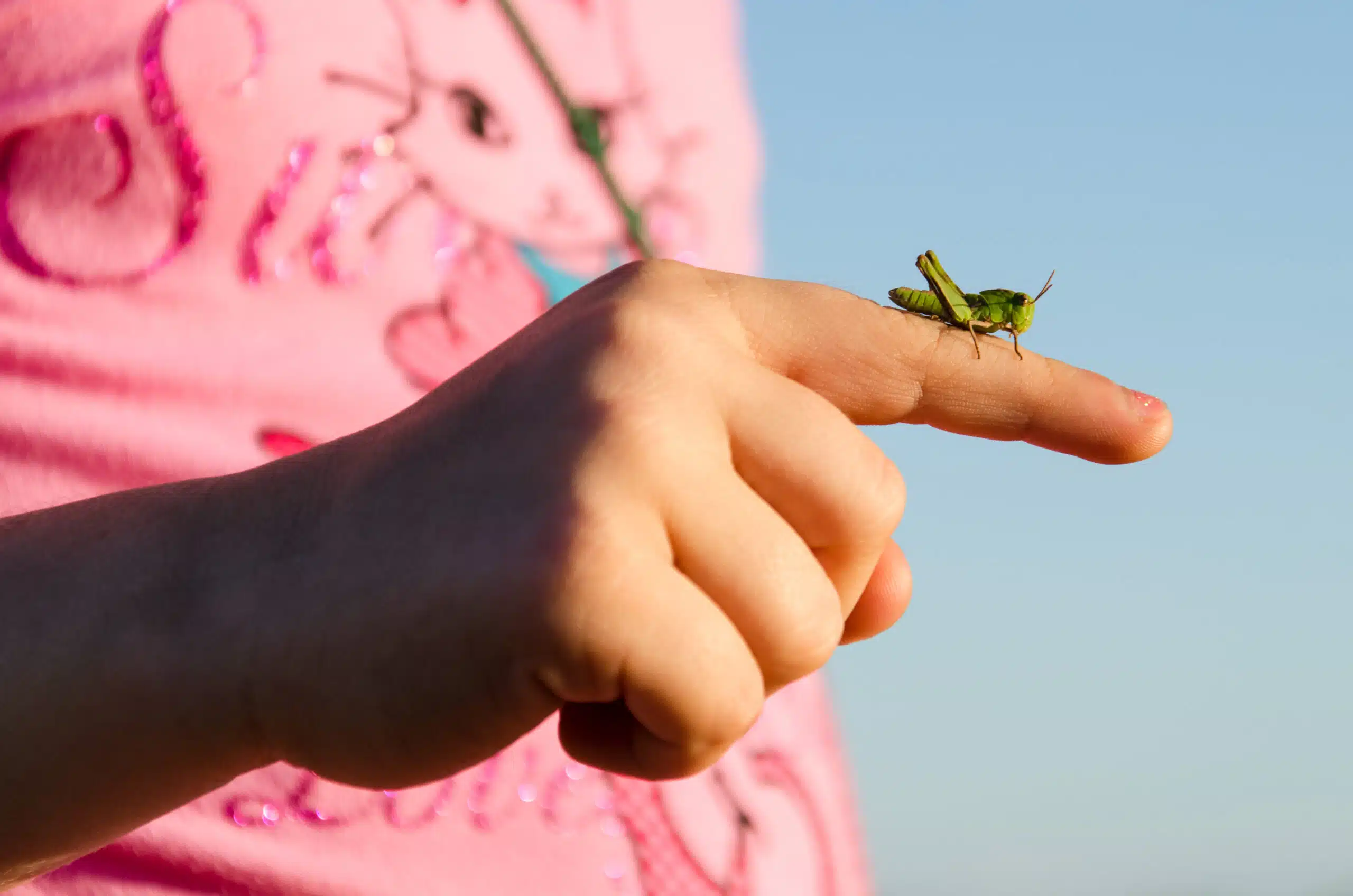
Stick insects are unusual animals that blend into dense forests by mimicking tree sap branches and leaves. Their camouflage skills teach children about adaptation and predator avoidance.
They also introduce conservation topics, as many species face habitat destruction due to deforestation.
Book a Stick Insect Encounter with Wild Science
9. African Land Snails
African land snails amaze children with their size. These invertebrates help explain shell growth, calcium needs, and feeding habits.
Kids enjoy watching their slow movements and learning how snails recycle plant matter, contributing to soil health and ecosystem balance.
Book an African Land Snail Encounter with Wild Science
10. Millipedes
Millipedes are fascinating creatures with many legs that help break down decaying plant material. They teach children about decomposition, nutrient cycles, and soil health.
Their gentle nature makes them perfect for close observation during animal encounters and classroom workshops
Book a Millipede Encounter with Wild Science
Why Learning With Real Animals Matters
Seeing animals on screens is not the same as interacting with them in real life. Hands-on encounters allow children to explore the animal world using sight, sound, and touch. This improves memory retention, curiosity, and emotional connection.
Wild Science animal workshops are designed to support conservation education by teaching children about endangered species, habitat loss, and climate change impacts. These lessons help young learners develop respect for wildlife and become future environmental advocates.
Safe, Educational and Fully Managed Experiences
At Wild Science, all animal encounters are delivered by trained educators and experienced handlers. Animals are transported in comfortable enclosures and rotated to prevent stress. Only animals suitable for interaction are included.
We provide written risk assessments, hygiene stations, and safety briefings at every event. Our sessions are designed to be educational, engaging, and safe for children, teachers, and families.
Book Your Animal Encounter With Wild Science
Bring the coolest animals to your school, birthday party, or special event. Wild Science delivers unforgettable animal encounters across the UK, combining fun learning with professional care.
Whether you want reptiles, mammals, insects, or farm animals, we tailor sessions to age groups and learning goals. Contact Wild Science today and turn curiosity into excitement.
We deliver animal encounters to schools and events across London, England, Scotland and Wales.
Book Your Favourites Animal Encounter with Wild Science