



Most people think tarantulas are scary. They see a large spider with long legs and immediately feel nervous. In this article, you'll get a chance to meet the Tarantula and discover why these creatures are so fascinating.
The truth is very different.
Tarantulas are some of the most fascinating animals on Earth. They have unique behaviours, incredible survival skills, and an important role in nature. In fact, many species are calm, gentle creatures that spend most of their time avoiding danger rather than causing it.
At Wild Science, tarantulas are among the most popular animals at our parties, workshops, and school visits. Children are often surprised by how interesting these giant spiders really are.
If you love creepy-crawlies, here are 15 amazing tarantula facts that might change the way you think about them.
1. Tarantulas Are Not Insects
Many people assume tarantulas are insects, but they actually belong to a different group of animals.
Tarantulas are arachnids. This means they are related to scorpions, ticks, and other spiders.
Unlike insects, tarantulas have eight legs instead of six. They also have two main body sections rather than three.
For more scientific information, visit the British Arachnological Society.
2. There Are More Than 1,000 Species of Tarantula
A common tarantula fact file begins with just how many species exist.
Scientists have identified more than 1,000 species of tarantulas around the world. They come in different colours, sizes, and patterns.
Some are bright blue, while others are orange, black, or even pink.
3. Tarantulas Live in Many Different Habitats
One of the most interesting tarantula habitat facts is their ability to adapt.
Tarantulas can be found in rainforests, deserts, grasslands, mountains, and tropical forests. Most species prefer warm climates.
They build burrows underground, hide under rocks, or live in trees, depending on the species.
4. Where Are Tarantulas Found in the Wild?
Many people ask, "Where are tarantulas found?"
Tarantulas live in South America, Central America, North America, Africa, Asia, and Australia. They are found on every continent except Antarctica.
The largest number of species live in tropical regions where temperatures stay warm throughout the year.
5. Some Tarantulas Can Live for Decades
Many spiders live for only a few years.
Female tarantulas are different. Some species can live between 20 and 30 years when properly cared for.
Males usually have much shorter lifespans and often live only a few years after reaching adulthood.
6. Tarantulas Have Eight Eyes
Like many spiders, tarantulas have eight eyes.
However, their eyesight is not very good.
Instead of relying on vision, they use tiny hairs on their legs to detect vibrations and movement around them. This helps them find food and avoid predators.
7. They Don't Use Webs to Catch Prey
Many children are surprised by this fact.
Unlike garden spiders, tarantulas do not build large webs to catch insects.
Instead, they are hunters. They wait patiently and then quickly grab their prey when it comes close.
This makes them very different from many other spider species.
8. Tarantulas Are Usually Calm
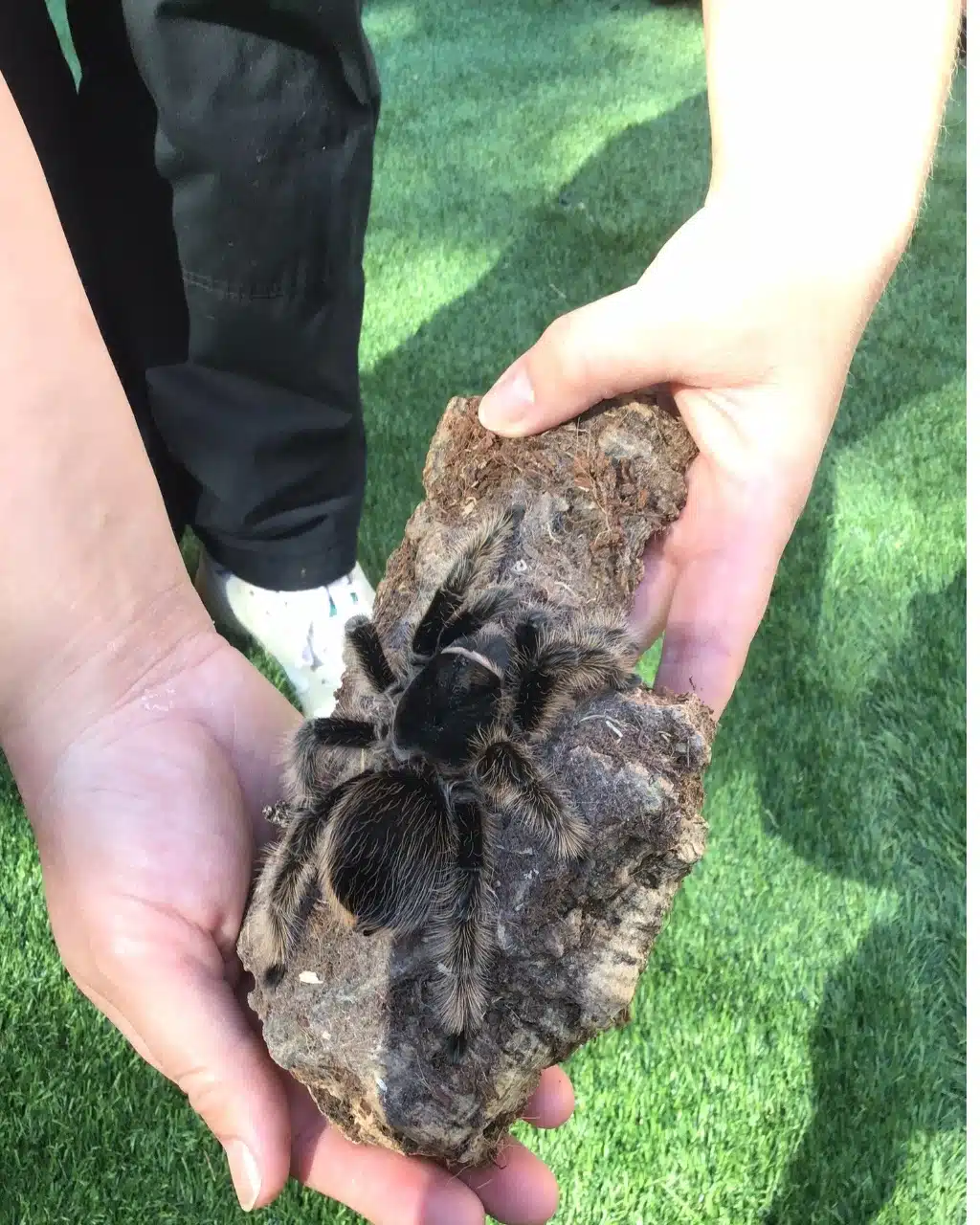
One reason Wild Science uses tarantulas in educational sessions is their calm nature.
Many species are surprisingly gentle when handled correctly by trained professionals.
The Chilean Rose Tarantula and Mexican Red Knee Tarantula are especially known for their relaxed behaviour.
This is why they are often used in animal encounters and educational workshops.
9. Tarantulas Are Covered in Hair
One of the first things people notice is how furry tarantulas look.
These hairs are not just for appearance.
Some species use special hairs called urticating hairs for defence. When threatened, they can flick these hairs towards predators.
The tiny hairs can cause irritation and help the tarantula escape danger.
10. Tarantulas Moult Their Skin
Tarantulas cannot grow the way humans do.
Instead, they shed their old exoskeleton in a process called moulting. After the old skin comes off, a new and larger one appears underneath.
Young tarantulas moult more often because they are still growing.
Watching a tarantula moult is one of nature's most fascinating processes.
11. The Largest Tarantula Is Huge
One of the coolest facts about tarantulas involves size.
The Goliath Birdeater is the largest tarantula in the world. Its leg span can reach almost 30 centimetres.
Although the name sounds frightening, it rarely eats birds. Most of its diet consists of insects and small animals.
12. Tarantulas Help the Environment
Tarantulas play an important role in ecosystems.
They help control insect populations by feeding on crickets, beetles, cockroaches, and other small creatures.
Without predators like tarantulas, some insect populations could grow much larger.
This makes them important members of their habitats.
13. They Are More Afraid of You Than You Are of Them
This may be the most surprising tarantula fact for kids.
Most tarantulas would rather hide than fight.
When they sense danger, they usually retreat into a burrow or move away from the threat. Aggressive behaviour is uncommon in many species.
Their goal is survival, not confrontation.
14. Not All Tarantulas Look the Same
Some people imagine every tarantula as a large brown spider.
In reality, they come in many colours and patterns.
Some species have bright blue legs. Others have orange knees, red hair, or shiny black bodies.
This incredible variety is one reason tarantulas are so popular among animal enthusiasts.
15. You Can Meet a Tarantula with Wild Science
Reading facts is fun, but meeting a real tarantula is even more exciting.
At Wild Science, children and adults can safely observe tarantulas up close during our animal experiences. Under expert supervision, guests can learn about tarantula behaviour, habitats, adaptations, and survival skills.
Many visitors arrive feeling nervous. By the end of the session, they often leave with a completely different opinion about spiders.
Meeting a tarantula in person helps people understand that these animals are fascinating rather than frightening.
Why Children Love Learning About Tarantulas
Tarantulas naturally capture attention.
Their size, appearance, and unusual behaviours make them perfect for teaching children about science and wildlife. They help explain topics such as adaptation, habitats, food chains, and animal behaviour.
Children also learn the importance of respecting animals that are often misunderstood.
Many young visitors leave our sessions with a new interest in biology and the natural world.
Bring a Tarantula to Your Event
Wild Science offers interactive tarantula encounters across the UK.
Our experienced team visits schools, birthday parties, community events, science fairs, and family celebrations. Guests can learn amazing facts, ask questions, and meet some truly incredible creatures.
Whether you want to book a school visit or host birthday party animal encounters, our team is ready to help.
Every session is designed to be educational, safe, and fun for all ages.
Final Thoughts
Tarantulas may look intimidating at first, but they are remarkable animals with fascinating abilities.
From their hairy bodies and hunting skills to their long lifespans and unique habitats, there is much more to these spiders than most people realise.
The next time you see a tarantula, remember that it is not a monster. It is one of nature’s most interesting creatures and a true hero of the creepy-crawly world.
At Wild Science, safety is our priority. All of our animal handlers are fully DBS checked and insured, ensuring a secure, professional, and educational environment for your event.