



Education works best when it recognises that every learner thinks and learns differently. In modern classrooms across the UK, many neurodivergent students experience learning in ways that traditional teaching methods do not always support. Some learners process information visually, while others learn best through movement, interaction, and hands-on exploration. Specialised workshops support neurodiverse learners by offering creative ways to engage and accommodate different learning styles.
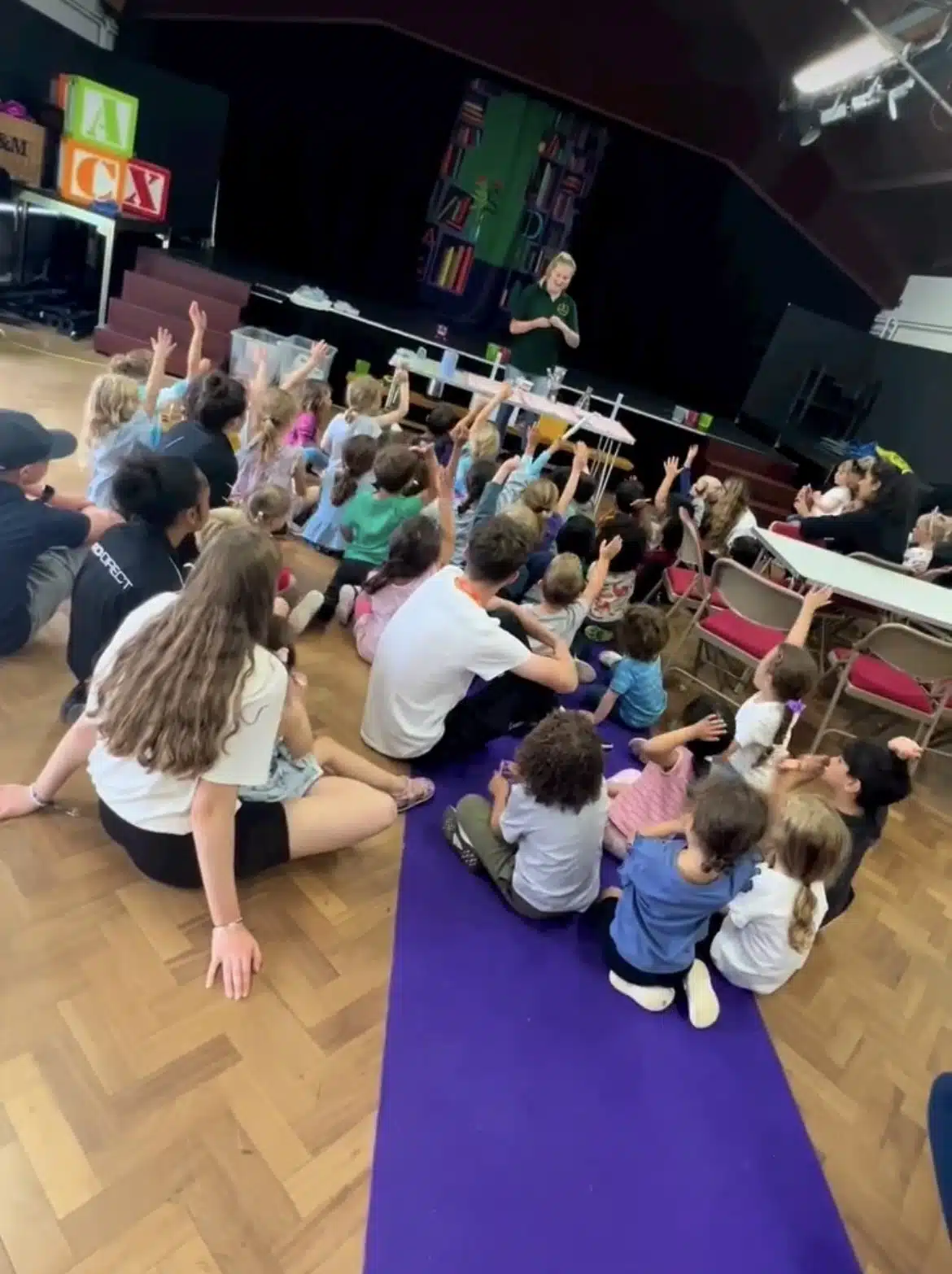
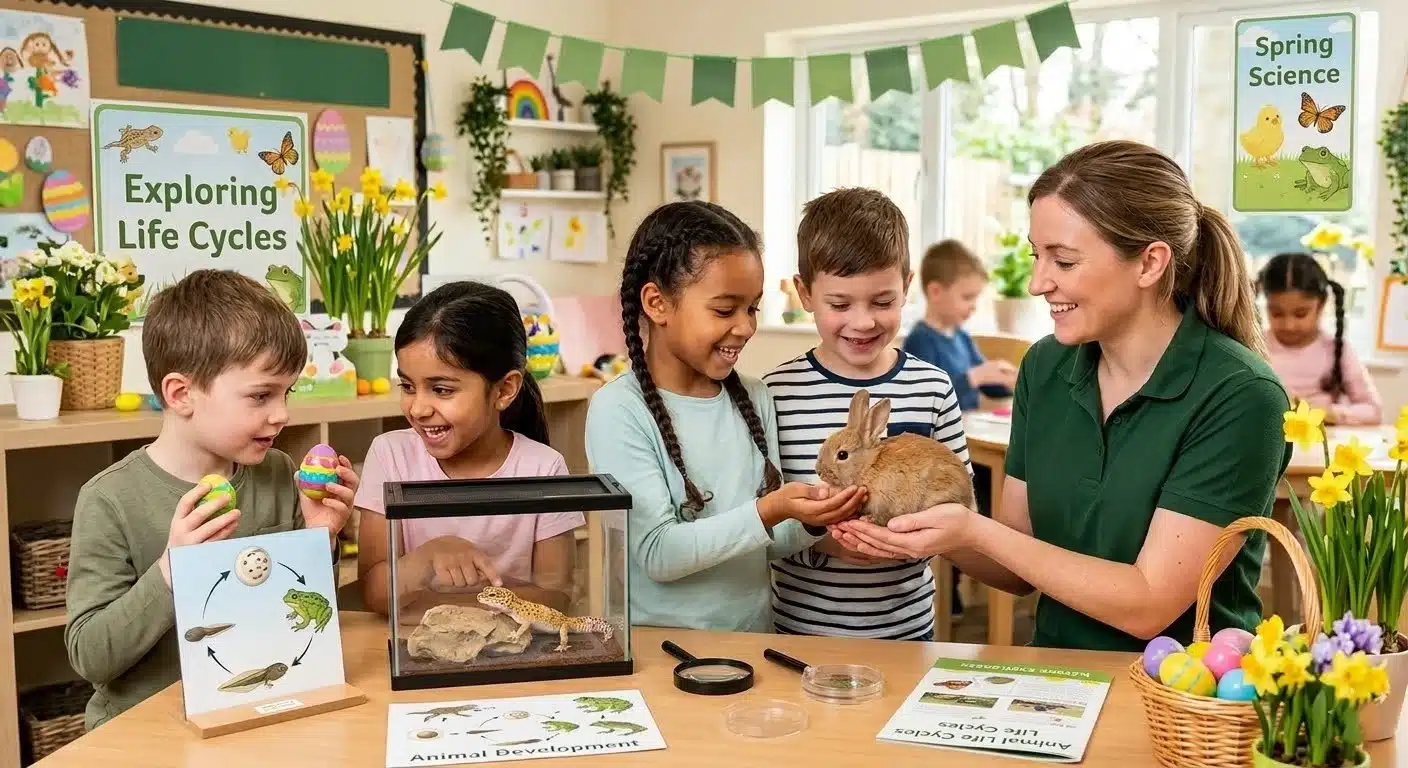
Animal and science workshops are becoming an increasingly valuable approach in schools. These workshops combine animals, science experiments, and interactive learning to create a supportive environment where children and young learners can explore ideas at their own pace. Instead of sitting quietly through long explanations, students interact with animals, observe scientific demonstrations, and explore the natural world through discovery.
Across England, Scotland and Wales, schools are introducing these workshops to support special educational needs (SEN) and help neurodiverse learners thrive in education. By combining nature, science, and hands-on learning, workshops help students build confidence, develop communication skills, and understand how science connects to everyday life.
Wild Science has delivered hundreds of educational workshops to schools and community organisations across the UK. Our experienced educators specialise in creating engaging science sessions that support SEND learners, neurodivergent students, and inclusive education environments. Each workshop is designed to be safe, educational, and accessible for learners of different abilities and learning styles.
Why Animal & Science Workshops Help Neurodiverse Learners
For educators, parents, and schools, supporting neurodiverse learners is crucial for creating inclusive educational environments. Neurodiverse students often have unique strengths and face specific challenges that traditional teaching methods may not address. Animal and science workshops offer tailored, engaging, and accessible learning experiences that help bridge these gaps. By providing sensory-friendly, hands-on, and interactive opportunities, these workshops empower neurodiverse learners to participate fully, build confidence and develop essential life skills.
How Animal & Science Workshops Support Neurodiverse Learners
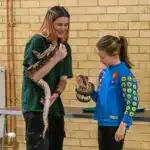
Animal and science workshops for neurodiverse individuals utilise tailored strategies that blend sensory-friendly environments, structured hands-on interaction, and personalised communication. Sessions can be customised to meet specific learning objectives for neurodiverse learners and can be themed or adapted to meet individual abilities and needs. Workshops may include sensory and immersive experiences using a range of bioartefacts and live animals, ensuring that each learner can engage in ways that suit their preferences and strengths.
Understanding Neurodiversity in Education
The concept of neurodiversity recognises that every brain processes information differently. Neurodivergent individuals may include students with autism, ADHD, dyslexia, dyspraxia, or other neurological differences that influence how they learn, communicate, and organise information. Neurodivergent students have differences in executive functioning and social communication skills.
Did you know that Research suggests that around 10-20% of undergraduate students are neurodivergent, and similar patterns are observed across schools and colleges. Many of these students have strong curiosity and creativity, yet they may face specific challenges related to executive functioning, organisation, and social communication skills.
Educational researchers such as Jackson S and Miller R have also discussed how neurodivergent learners can experience challenges when moving from classroom learning to clinical settings, where strong interpersonal and communication skills are often required.
However, one consistent finding across studies and interactive roundtable discussions among university staff is that inclusive learning environments can significantly improve the student experience. Creating engaging environments where learners feel safe and supported allows students to focus on discovery and learning.
Animal and science workshops help schools create exactly this kind of supportive educational space, and interactive science workshops for schools can be tailored to different age groups and curricula.
Why Hands-On Learning Helps Neurodiverse Learners
Many young learners are naturally curious about the world around them. However, traditional classrooms often rely heavily on reading, writing, and lectures. For some neurodivergent learners, these approaches can make science feel abstract or difficult to connect with.
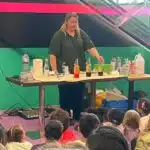
Hands-on workshops allow students to learn through experience. When children observe animals or conduct science experiments themselves, they engage multiple senses at once, and engaging in classroom science experiments can make these concepts even more accessible and exciting. This sensory engagement helps learners better understand concepts that might otherwise feel complicated.
Benefits of hands-on learning include:
- Engaging multiple senses for deeper understanding
- Making abstract concepts concrete and relatable
- Encouraging active participation and curiosity
- Supporting different learning styles
Examples of Hands-On Activities
- Observing reptiles to understand animal adaptation to environments
- Watching small animals interact with their surroundings to introduce ecosystems and biodiversity
- Conducting simple science experiments to explore forces, energy, or chemical reactions as part of interactive science and nature programmes
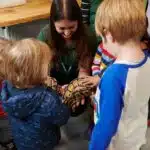
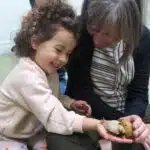
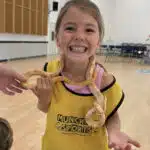
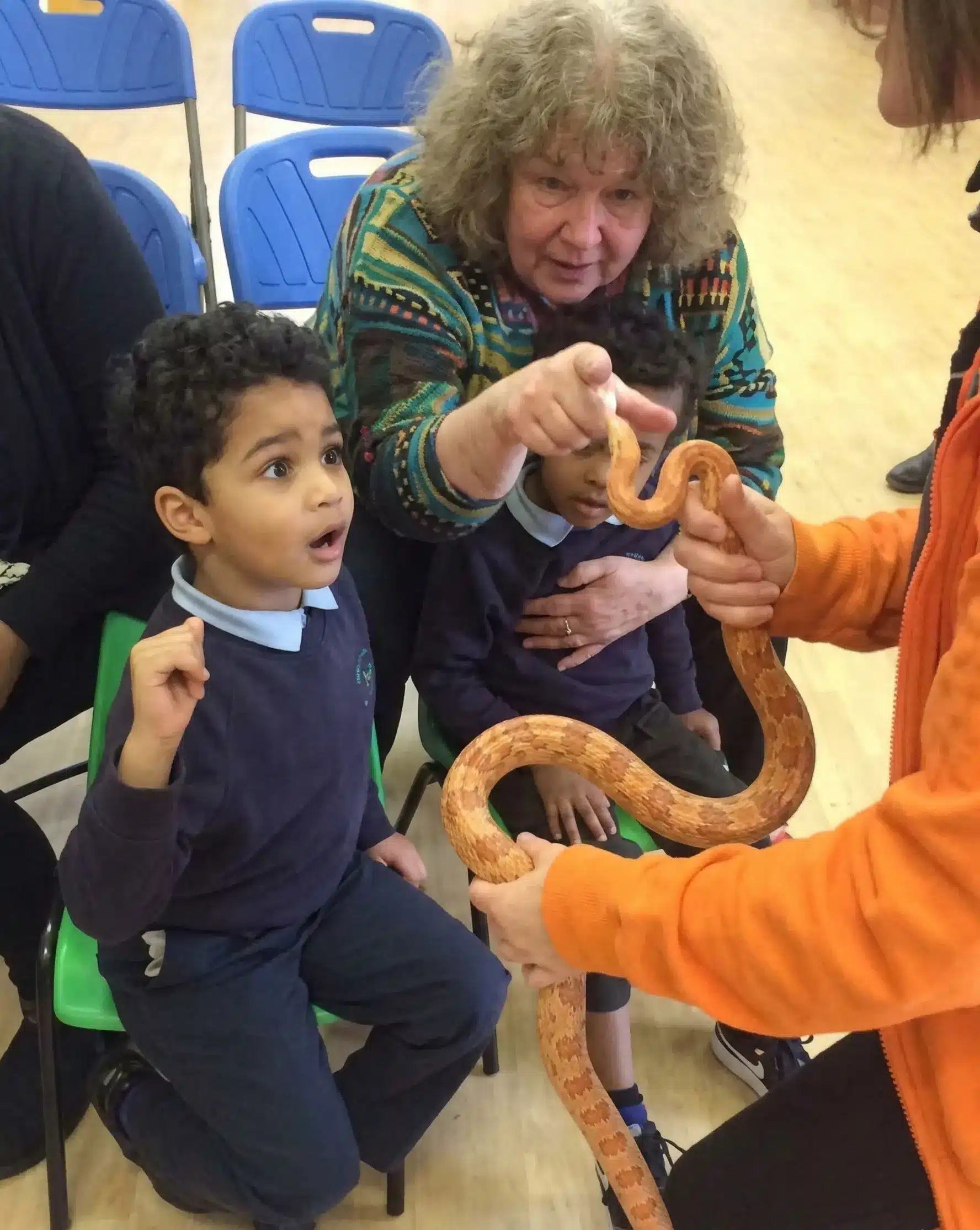
- Handling live animals for immersive sensory experiences
This approach encourages learners to ask questions and explore their curiosity. Instead of simply receiving information, students begin to discover answers themselves. These interactive science workshops help students explore STEM topics through experience rather than memorisation. For many SEND learners, this type of learning creates stronger engagement and improves understanding.
The Role of Animals in Neurodiverse Learning
Emotional and Social Benefits of Animal Encounters
Animals can transform the learning environment in powerful ways. Many students feel calm and relaxed when interacting with animals because these interactions do not involve the same social pressures as communication with people.
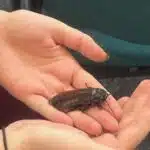
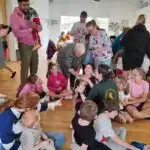
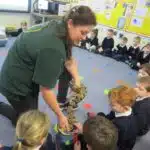
During an animal encounter workshop, students might observe reptiles, amphibians, mammals, or invertebrates while educators explain how these animals live in the wild. These experiences help learners explore the animal kingdom while developing knowledge about habitats, ecosystems, and biodiversity, and animal encounter workshops that teach biology can deepen understanding of classification, adaptations, and conservation.
For neurodivergent learners, animals also provide a unique emotional connection. Because animals communicate through behaviour rather than language, students can interact with them without fear of judgement. This can help learners feel more confident and comfortable participating in activities.
How Animal Encounters Increase Student Engagement
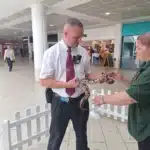
Mobile animal encounters across the UK make it easy to bring these experiences directly to learners in schools and community settings.
- Students who are normally quiet in class often become more engaged when animals are present
- Curiosity about the animals naturally encourages discussion and interaction
- Animal encounters can spark interest in science and nature
When Wild Science is there, schools do not need to worry about organising complicated activities or travelling long distances.
Our mobile workshops make it easy to bring animals, science, and hands-on learning directly to your students.
If your school wants to support neurodiverse learners, encourage curiosity, and create unforgettable educational experiences, Wild Science can organise an animal and science workshop at your school or any suitable venue across the UK.
Schools can contact Wild Science to discuss workshop options and arrange a visit tailored to their students.
Creating Sensory-Friendly Learning Environments
Sensory Support Strategies for Neurodiverse Learners
Many neurodiverse learners experience sensory sensitivity. Loud noises, bright lighting, or unpredictable environments can make learning more difficult.
Animal and science workshops are often designed to create a calmer and more structured learning experience. Activities are presented in a clear and predictable order, so learners know what to expect during the session.
Common sensory accommodations and staff training include:
- Providing designated calm spaces for participants to retreat to if they feel overwhelmed
- Sensory modifications, such as reducing loud music and bright lights
- Offering sensory kits with fidget items and noise-canceling headphones
- Supportive staff trained to understand special educational needs and adapt sessions in real-time
- Encouraging flexible participation, allowing engagement through movement, gestures, or facial expressions rather than only verbal communication
- Using multimodal communication tools, such as visual aids, maps, and pictures, to convey information clearly
These tailored strategies help create a sensory-friendly and inclusive environment.
Flexible Participation in Inclusive Workshops
Educators may also adjust the environment by reducing unnecessary noise, using clear visual explanations, and allowing flexible participation. Some learners may prefer to observe quietly, while others may actively interact with the animals or experiments.
This flexible structure helps students feel comfortable and secure, making it easier for them to focus on learning.
How Science Workshops Inspire Curiosity
Science workshops encourage students to explore ideas through experiments and observation. Instead of simply reading about science topics, learners actively investigate them, and mobile animal and science experiences for all ages can help foster a lasting interest in these subjects.
Examples of science workshop activities: Schools can also arrange animal visits to schools across the UK to reinforce these topics through real-life encounters.
- Observing chemical reactions
- Exploring how forces and energy work
- Examining how animals survive in different environments
Skills Developed Through Science Workshops
- Developing problem-solving skills and scientific thinking
- Seeing how science connects to everyday life
- Gaining a deeper understanding of how the world works
For neurodivergent learners, this approach can be particularly effective because it allows them to explore concepts through experience rather than memorisation.
Supporting Communication and Social Skills
Interactive workshops also provide opportunities for learners to practise interpersonal and communication skills in a relaxed setting. When students observe animals together or participate in experiments, they naturally begin discussing what they see.
These discussions help students build confidence in expressing their ideas and asking questions. Because the focus is on the activity rather than the individual, learners often feel less pressure when speaking.
Over time, these shared learning experiences can help students develop stronger communication and teamwork skills.
Inclusive Education Across Schools in the UK
Across Great Britain, schools are working to create more inclusive learning environments for students with special educational needs. Providing flexible teaching methods and engaging learning opportunities helps ensure that every learner can access education in ways that suit their strengths.
Animal and science workshops provide one way to support inclusive education. Sessions can be adapted for different age groups and learning needs, from young children to young adults.
These workshops allow learners to explore science, nature, and the world around them in ways that feel engaging and accessible.
Wild Science delivers workshops to schools across the UK, including major areas such as London, Birmingham, Manchester, Bristol, Leeds, Glasgow and Cardiff, making it easy for schools nationwide to organise engaging animal and science experiences.
How Wild Science Workshops Support Neurodiverse Learners
Wild Science delivers animal encounters and science workshops across the UK, supporting schools, community groups, and educational organisations. Each session combines animals, experiments, and interactive activities designed to inspire curiosity and exploration.
Workshops are designed to create a calm and engaging learning environment where learners can discover science through experience. Our team guides students through activities while explaining concepts in ways that are easy to understand.
Sessions can be adapted to support special educational needs settings, helping teachers provide inclusive experiences for neurodiverse learners.
Through these workshops, students explore science, interact with animals, and develop confidence in their curiosity about the natural world.
Mobile Animal & Science Workshops for Schools
Schools do not need to travel far to provide engaging learning experiences for their students. Wild Science offers mobile animal and science workshops, meaning the experience can come directly to your school or chosen venue.
Our team travels across the UK delivering animal encounters, science experiments, and interactive educational workshops designed for schools, SEN groups, and community organisations.
There is no need to organise complex trips or visit multiple venues. Wild Science brings everything needed for an exciting workshop, including animals, equipment, and experienced educators.
Sessions can be organised at:
- Schools
- Community centres
- Libraries
- Educational events
Related Learning Topics
Schools interested in inclusive and engaging science education may also explore:
- Animal encounter workshops that support biology learning
- Interactive science workshops for British Science Week
- Mobile animal encounters for school enrichment days
- Hands-on STEM activities for primary and secondary schools
- Animal-assisted learning for SEND classrooms