



More about Bubble Science Workshop for Kids
Science of Bubbles for Kids
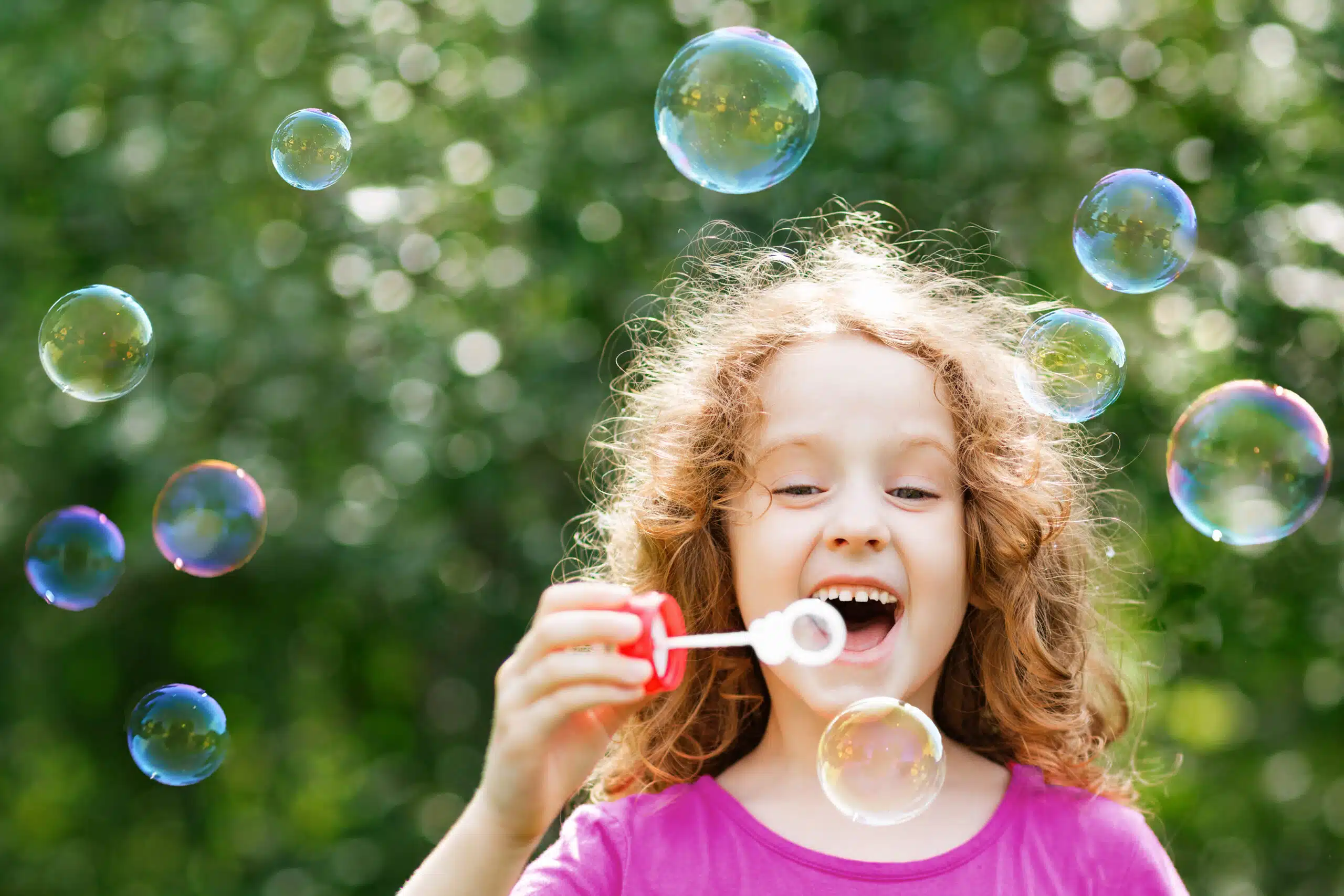
Bubbles are one of nature’s most fascinating scientific phenomena. Moreover, they are an exciting way to introduce children to real physics, chemistry, and optics. Wild Science’s Bubble Science Workshop for Kids brings the wonder of surface tension, light refraction, and polymer science to life through hands-on bubble experiments that children aged 3-10 absolutely love.
Perhaps you’re a school looking for a curriculum-linked STEM workshop, a parent planning an unforgettable birthday party, or an event organiser seeking interactive science entertainment. Regardless, our bubble science sessions are designed to educate, inspire, and delight.
📞 03301131136 |💬 WhatsApp: 07451271136 | 🌐 Contact-us
What Is the Science of Bubbles?
At its heart, a bubble is a pocket of gas, usually air, trapped inside a thin, flexible film of liquid. In soap bubbles, this film is made up of three ultra-thin layers. Specifically, it consists of a layer of water molecules sandwiched between two layers of soap molecules. This structure is called a soap lamella, and it is the key to everything that makes bubbles magical.
Why Are Bubbles Round?
Bubbles are round because of surface tension. This is the tendency of liquid molecules to pull towards each other and minimise the surface area A sphere is the geometric shape with the smallest surface area for a given volume. Nature is efficient; it always finds the shape that requires the least energy. That is why every free-floating bubble, no matter how it is blown, settles into a perfect sphere.
Why Are Bubbles Colourful?
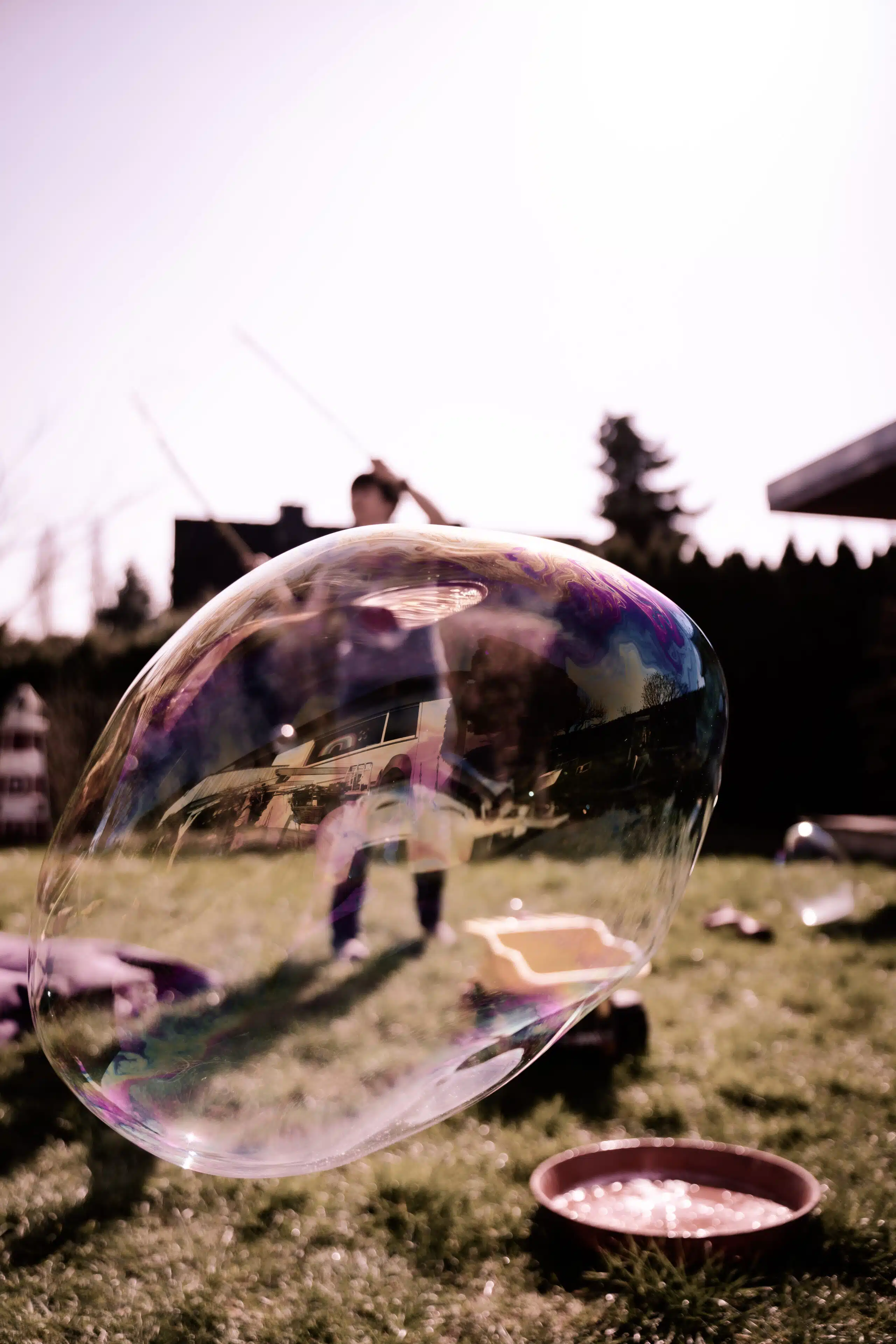
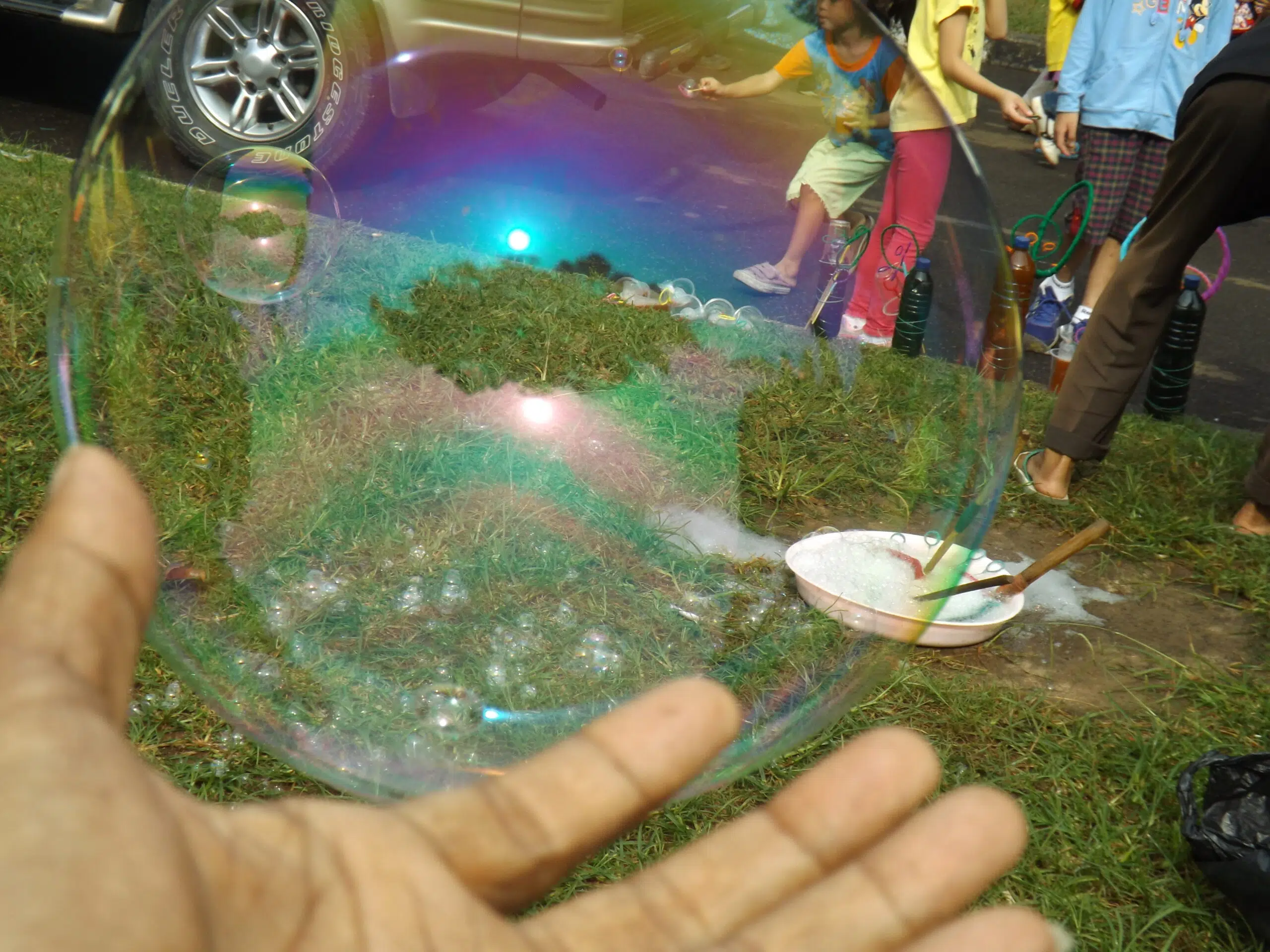
Bubbles do not have a colour of their own; instead, the rainbow patterns you see are created by thin-film interference. Light waves reflect off both the inner and outer surface of the soap film. Ultimately, depending on the thickness of the film, different wavelengths (colours) of light either reinforce or cancel each other out. The result is the shimmering, ever-changing rainbow effect that makes bubbles so captivating.
Why Do Bubbles Pop?
Bubbles burst when their soap film breaks. This happens when the water in the film evaporates, making the film too thin to hold together. Dust, dry surfaces, and oily skin all speed up the popping process. However, adding glycerine or sugar to a bubble solution slows evaporation. This gives bubbles longer lifespans, which is exactly what we use in our Wild Science workshops!
What Happens When Two Bubbles Touch?
When two bubbles of equal size touch, they share a flat wall between them because this uses less surface area than having two separate curved walls. When bubbles of different sizes meet, the shared wall curves towards the smaller bubble, which has higher internal pressure. This is Plateau’s law in action: a beautiful real-world example of physics that children can observe with their own eyes in our sessions.
What Happens in a Wild Science Bubble Science Workshop?
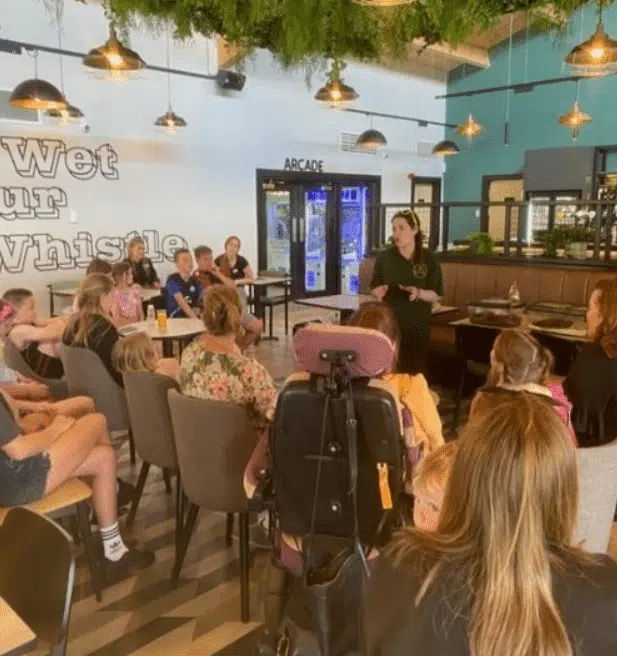
Our Bubble Science Workshop for Kids is a fully facilitated, hands-on STEM experience. Every session is led by a trained Wild Science presenter who guides children through a sequence of bubble experiments. Each one reveals a different scientific principle in a fun, accessible way.
Sessions run for 45 minutes to 1 hour and can be adapted for nurseries, KS1, KS2, SEN groups, birthday parties, holiday clubs, and community events.
Bubble Experiments Included in the Workshop
- Bubble Blueprint: Children learn what makes a bubble, namely water, soap, and air. They also discover why bubbles are always round using the science of surface tension.
- Shapes in Spheres: Why does nature always make bubbles round? We explore geometry and energy efficiency through beautiful bubble formations.
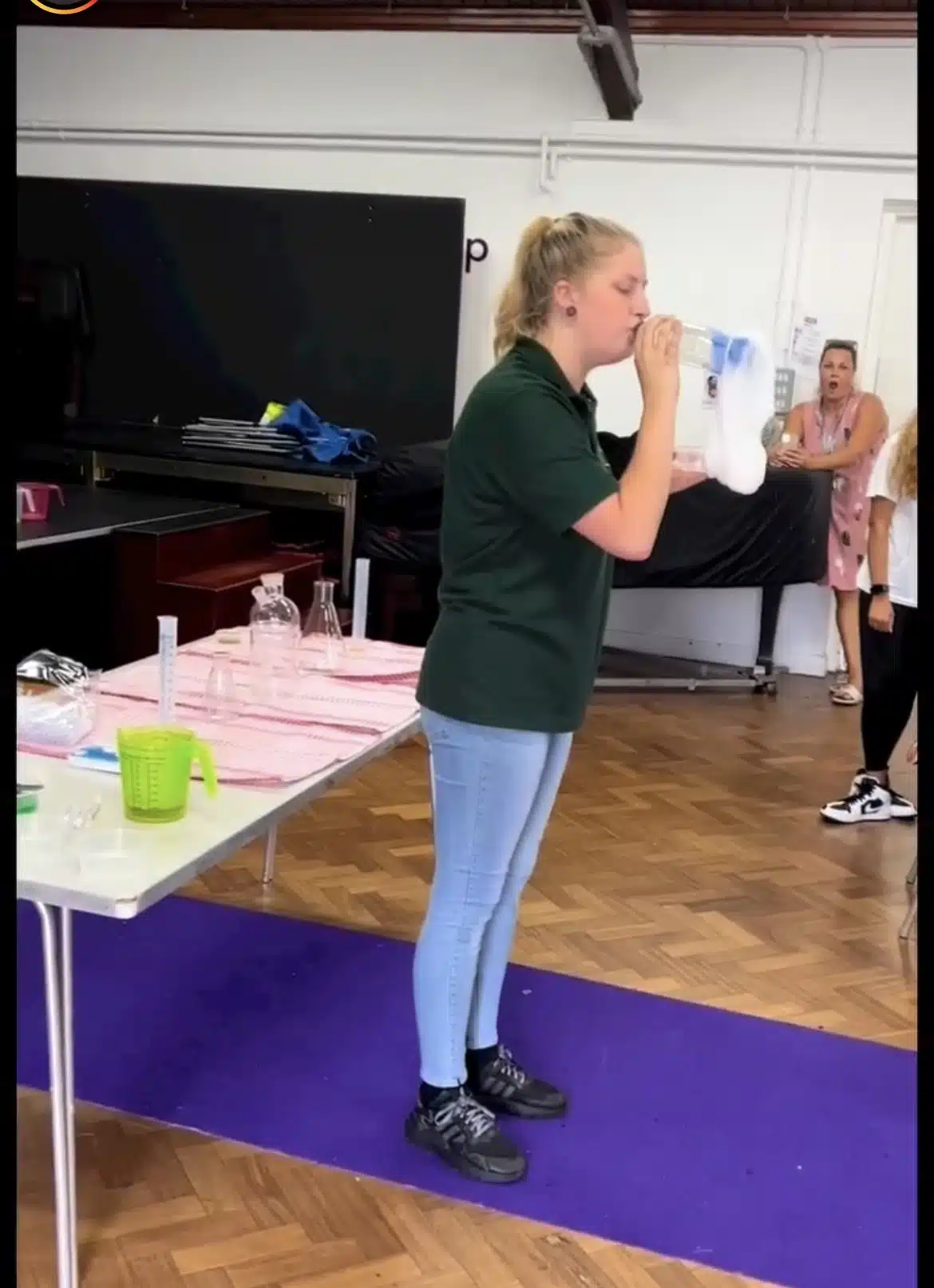
- Floating vs Sinking Bubbles: Using CO₂ from dry ice, children watch bubbles float on an invisible gas. This provides spectacular action for density science!
- Bubble Colours & Light: We explore how light bounces off the soap film to create rainbow patterns. This introduces optics and wave physics in a child-friendly way.
- Bubble Snakes: Using simple household tools, children create long, wriggling chains of bubbles. This activity is always a huge hit with younger ages!
- Bubble Art: By dipping and blowing to create unique bubble paintings, children see colour mixing and physics working together on the page.
- Longest-Lasting Bubble Challenge: Children test different solutions to discover what makes a bubble survive longer. This hands-on variable-testing experiment compares mixtures with and without glycerine.
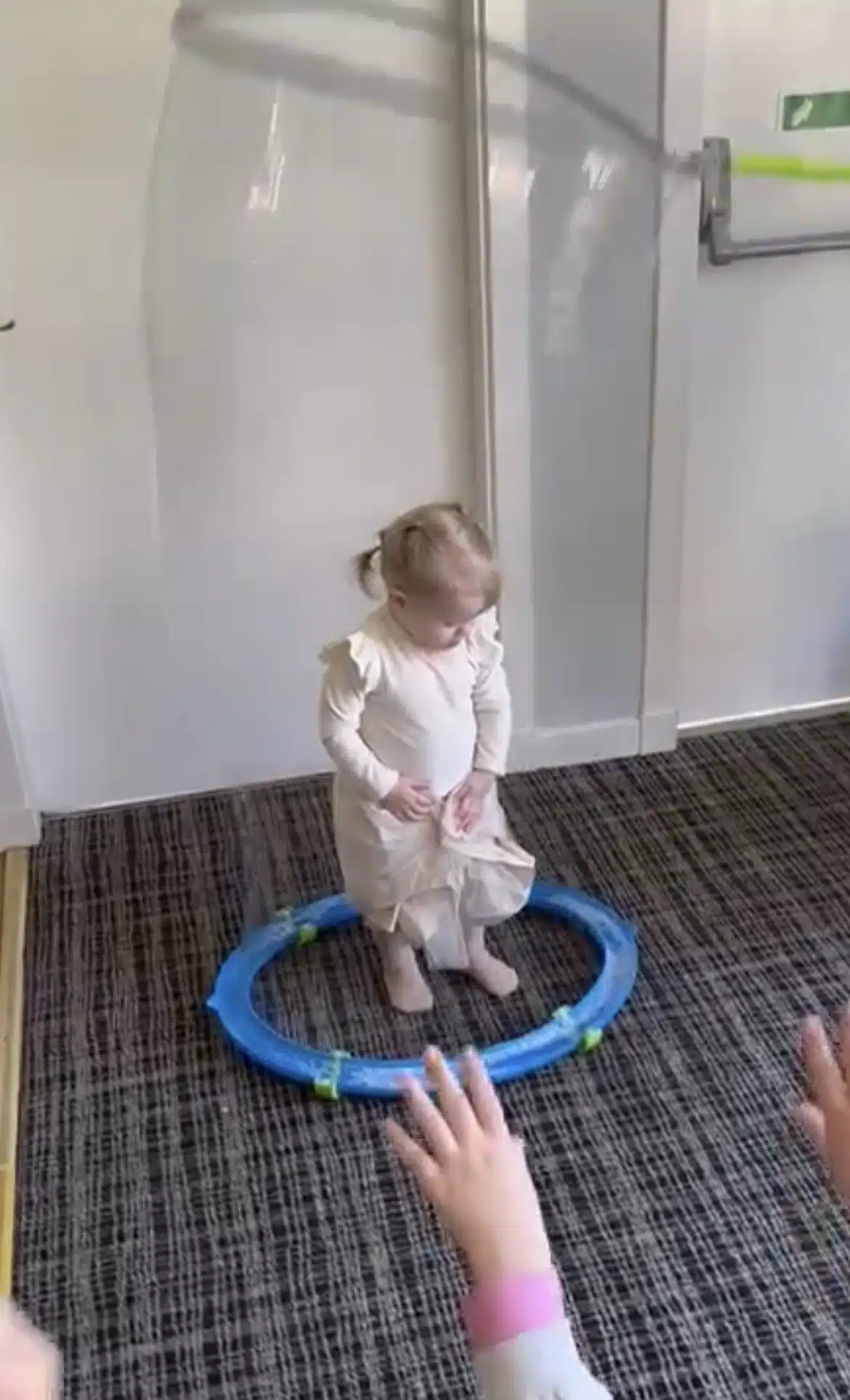
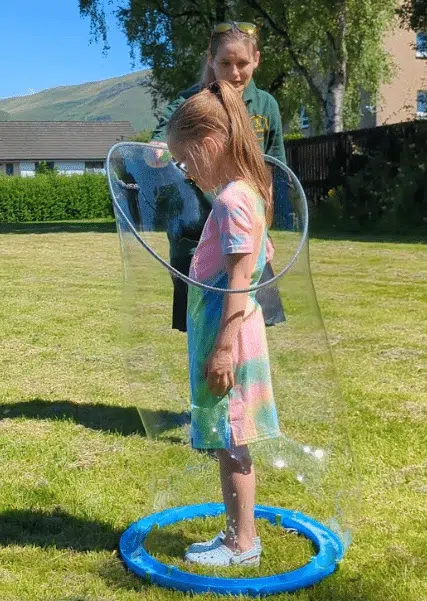
- Giant Bubble Challenge: Using hula hoops and rope wands, children create enormous bubbles that engulf volunteers. This is always the showstopping finale!
How Does Bubble Science Link to the UK Curriculum?
Our Science of Bubbles workshop is designed to align with the National Curriculum for England and support EYFS and KS1/KS2 learning objectives across:
- KS1 Science (Ages 5–7): Bubbles illustrate liquids, gases, and surface properties. This covers topics such as everyday materials, material properties, and seasonal changes in a hands-on way.
- KS2 Science (Ages 7–11): States of matter, light and its properties, and changing materials are key areas. The science of bubbles directly supports these topics.
- EYFS (Ages 3–5): Understanding the World, Expressive Arts & Design; bubble workshops develop curiosity, observation, and sensory exploration.
- SEN & SEMH Settings: Sensory-friendly bubble activities support engagement, regulation, and communication for children with special educational needs.
📚 This workshop can be booked as a standalone session. Alternatively, combine it with workshops on slime-making, states of matter, or materials science for a full STEM enrichment day.
Who Is the Bubble Science Workshop For?
| Audience | How It Works for You |
| Nurseries & Preschools (Ages 3–5) | Sensory, play-based bubble exploration. Perfect for curiosity, language, and fine motor development. |
| Primary Schools KS1 & KS2 | Full curriculum-linked STEM session. National Curriculum aligned. Can run multiple class groups in one day. |
| Birthday Parties (Ages 3–10) | Interactive bubble entertainment where children become bubble scientists! It is messy, magical, and memorable. |
| Holiday Clubs & After-School Clubs | Fun bubble science activities that keep children engaged and learning during breaks. |
| Special Educational Needs (SEN) | Fully adapted, calm, sensory-friendly approach. All children included at their own pace. |
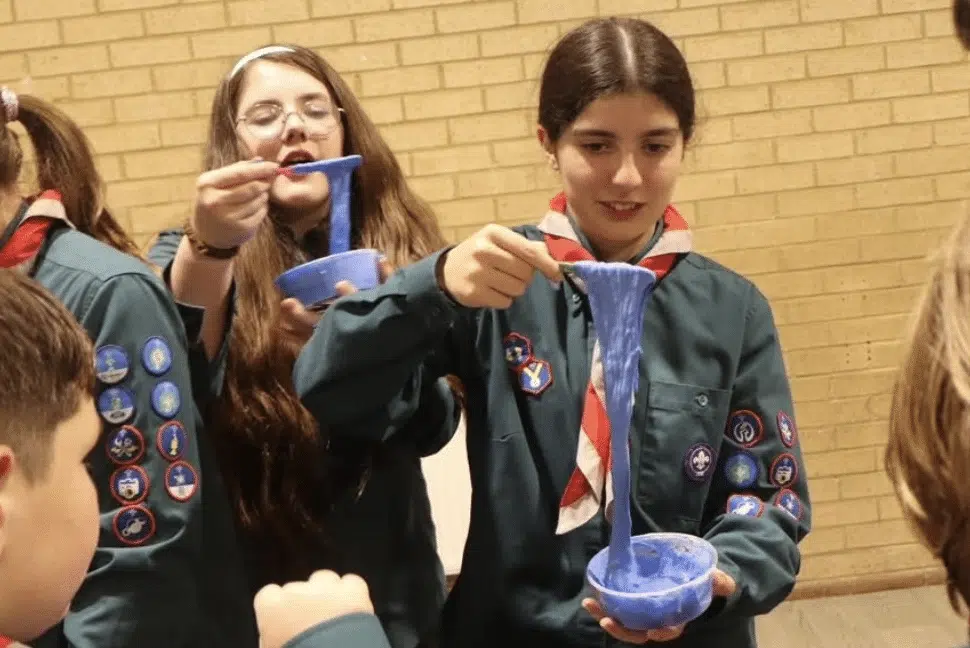
| Scouts, Brownies & Youth Groups | Badge-linked science activity for groups aged 5-14. |
| Community & Family Events | Public bubble shows and interactive science entertainment for all ages. |
🫧 BOOK YOUR BUBBLE SCIENCE WORKSHOP
Schools: Curriculum-linked STEM sessions for nursery through KS2
Parties: Unforgettable bubble science birthday entertainment
Events: Interactive bubble shows for any audience
📍 Nationwide UK - from our base in Beckenham, Kent | From £150
Why Book a Bubble Science Workshop with Wild Science?
Wild Science has delivered hundreds of science workshops across the UK. We are trusted by schools, nurseries, birthday families, and event organisers. Here is what makes our bubble science sessions different:
- Expert Presenters: All Wild Science presenters are trained in science communication and child engagement. We lead our sessions with genuine passion and expertise.
- Safe & Non-Toxic Ingredients: Every bubble solution we use is non-toxic, child-safe, and skin-friendly. There are no nasties; it is just science!
- Fully Flexible & Bespoke: We tailor every session to your group’s age, size, and learning objectives. One class or ten - we adapt.
- Equipment Provided: We bring everything, including bubble wands, giant hoop rigs, solutions, and all materials. You need to provide a space.
- Nationwide UK Coverage: Wild Science travels to you anywhere from London to Edinburgh and Bristol to Leeds. Book online or call us to check availability.
- DBS-Checked & Insured: All presenters hold enhanced DBS clearance. We carry full public liability insurance for all events.
The Science Behind Our Bubble Recipe
A popular part of our workshops is when children make their own bubble solution to take home. We share our safe and simple bubble recipe because the science does not stop when the session ends!
Our basic bubble recipe uses three ingredients. These include washing-up liquid for soap molecules, water to form the film core, and glycerine to slow evaporation. This simple combination demonstrates surfactant chemistry and surface tension physics at once.
Why Does Glycerine Make Bubbles Last Longer?
Glycerine is a humectant; it absorbs water from the surrounding air and slows evaporation from the soap film. This keeps the film hydrated for longer, delaying the thinning that leads to popping. Furthermore, children can test this directly by comparing bubbles made with and without glycerine.
Where in the UK Does Wild Science Deliver Bubble Science Workshops?
We are a truly nationwide science workshop provider. Our presenters travel across England, Scotland, Wales, and Northern Ireland to bring the Science of Bubbles to your school, party, or event. We currently serve (but are not limited to):
| 📍 London and Greater London | 📍 Manchester and Greater Manchester |
| 📍 Birmingham and the West Midlands | 📍 Edinburgh and the Lothians |
| 📍 Glasgow and West Scotland | 📍 Bristol and the South West |
| 📍 Leeds and West Yorkshire | 📍 Sheffield and South Yorkshire |
| 📍 Brighton and the South East | 📍 Cardiff and South Wales |
| 📍 Liverpool and Merseyside | 📍 Nottingham and the East Midlands |
| 📍 Oxford and Oxfordshire | 📍 Cambridge and East Anglia |
| 📍 Newcastle and the North East | 📍 Beckenham, Kent (Head Office) |
Frequently Asked Questions - Bubble Science Workshop
Q: Can adults join the Science of Bubbles workshop?
A: Absolutely! Bubble science is for everyone. Parents, grandparents, and curious minds of all ages are welcome. Wild Science sessions are designed to be inclusive and fun for the whole family.
Q: Are bubbles liquid or gas?
A: A bubble is a gas, usually air, trapped inside a thin film of liquid. In soap bubbles, the film is made of water sandwiched between two layers of soap molecules. This structure, called a soap lamella, creates the flexible, shimmering surface you see.
Q: Are the bubble mixtures safe for children?
A: Yes, completely. All solutions and ingredients used in Wild Science workshops are non-toxic, child-safe, and skin-friendly. We prioritise safety in every session.
Q: How long does a bubble science workshop last?
A: We recommend sessions of 45 minutes to 1 hour. For school days and larger events, we can run multiple sessions to accommodate all groups. Contact us to discuss your schedule.
Q: What age group is best suited to the bubble science workshop?
A: Our workshops are designed for children aged 3–10. However, older children are always welcome, and we can adapt the content accordingly. We also run SEN-friendly sessions.
BOOK YOUR BUBBLE SCIENCE SESSION TODAY
Whether you’re a SENCO, teacher, or event organiser, Wild Science can bring the Bubble Science Workshop to you anywhere in the UK.
Based in Beckenham, Kent - serving schools, parties & events across the whole of the United Kingdom.
Company No. 11643954 | Registered in England & Wales | Fully Insured | DBS Checked