



More about Adaptations
Zoo Animal Adaptations – School Workshop & Educational Visit
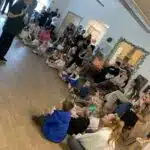
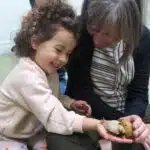
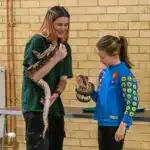
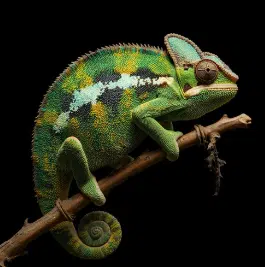
Bring the wonder of the wild into your curriculum. Our animal adaptations school session takes pupils on an expert-led journey through live animal encounters. During this journey, they discover how animals have evolved remarkable features to survive, from camouflage and blubber to venom and migration. For instance, from a giraffe's long neck to a chameleon's colour change, your pupils will see these adaptations up close.
Adaptations are different in every animal. Consequently, every animal has developed specific adaptations in order for their survival and well-being.
Animal adaptations are various physical and behavioural changes that help species survive and flourish in their individual environments. Specifically, these changes can include modifications in body structure, colouration, and reproduction, which all enhance an ability to find food, elude predators, and reproduce successfully. Over time, natural selection helps these adaptations become more prominent over generations, allowing species to suit their environments better.
Beyond the animal kingdom, plants are also uniquely adapted to their environments. For example, a cactus survives well in the desert because its roots are longer to help cover a broader area to collect water, while its stem is designed to store that water for an extended period.
What's Included in Our Zoo Adaptations Session
Each session is designed to be hands-on, memorable and directly linked to what your kids are studying in class:
- Live animal encounters - observe adaptations up close in their habitat
- Expert-led workshop - delivered by a qualified zoo educator
- Curriculum-linked activities - tailored to KS2 or KS3 learning objectives
- Photo opportunities - bring the session to life back in the classroom
Session details:
- Duration: 1-6 hours | Available Monday–Friday, term time
- Suitable for: Primary and Secondary school groups
KS2 & KS3 Curriculum Aligned
Our zoo adaptations workshop directly supports the national curriculum - saving you planning time and making school trip approval easy:
- KS2 Year 6: Evolution and Inheritance (recognise that living things have changed over time and that fossils provide information about living things that inhabited the Earth millions of years ago)
- KS2 Year 4: Living Things and Their Habitats (recognise that environments can change and that this can sometimes pose dangers)
- KS3 Biology: Adaptation, Interdependence and Competition (structural, behavioural and physiological adaptations)
Need to justify our trip to the headteacher? Download our free Activity Worksheet Document.
At Wild Science, we're really passionate about animals and their incredible adaptations. That passion shines through in our workshops, where we want participants to have a blast while really getting to know the unique characteristics that help animals not just survive, but thrive, in their environments.
We use hands-on activities, demonstrations and stories to bring that world to life. We want to spark a love of learning in our students that will last a lifetime. And we do that by combining education with the excitement of discovery.
What are the ways in which animals adapt to their environment both physically and behaviourally? Now is the perfect time to book Amazing Animal Adaptations to discover the answer.
Why Schools Choose Wild Science
Wild Science has delivered animal sessions to many school groups across the UK. Our educators are qualified zoologists and science specialists, so your pupils get genuine expert knowledge, not just enthusiasm.
To achieve this, we use live animal encounters, hands-on demonstrations, and curriculum-linked activities to bring complex biological concepts to life. Ultimately, we aim to spark a love of learning that lasts well beyond the session by combining rigorous science with the genuine excitement of discovery.
What is the Core focus?
- What are Adaptations?
- Do all animals have Adaptations?
- Different types of Adaptations
- Why adapt?
- What is the difference between structural, physiological, and behavioural adaptations?
What Animals Will You See animal adaptations session?
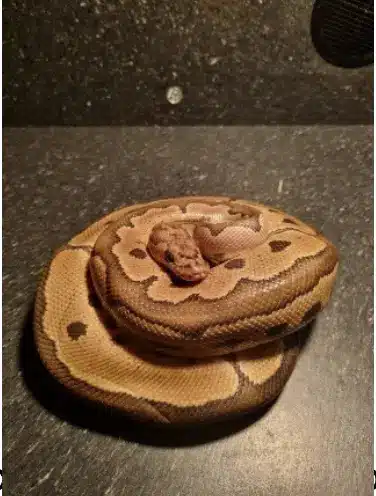
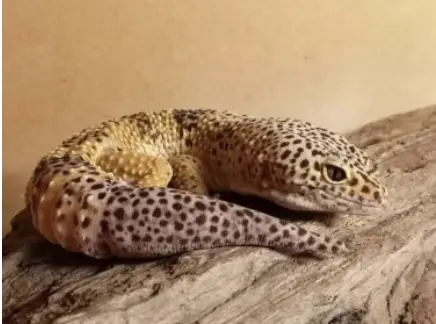
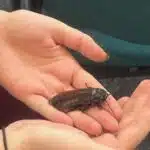
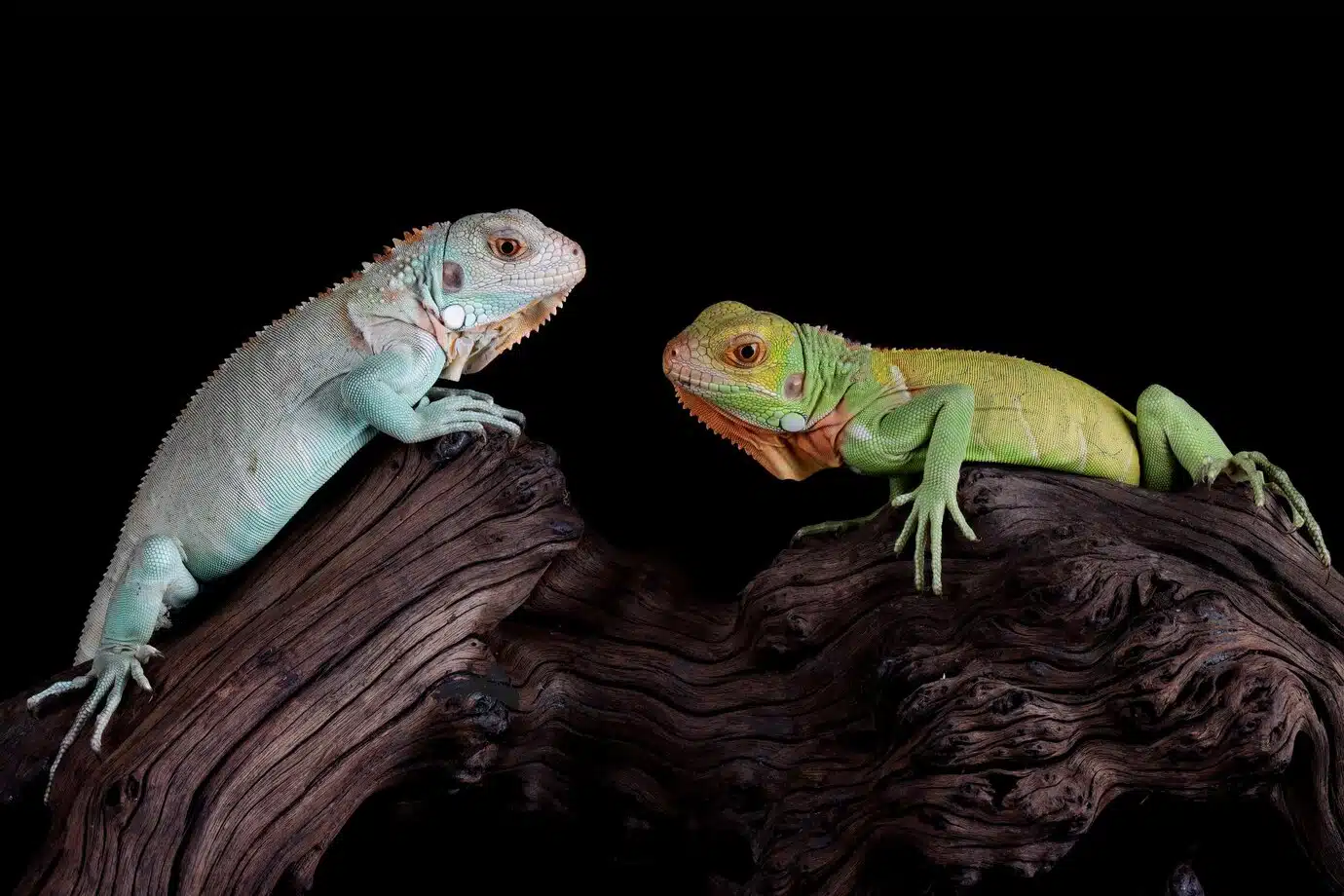
We showcase a range of invertebrates, mammals, amphibians and reptiles. Furthermore, we select the animals that best demonstrate different types of adaptation so pupils can see how various species survive in their environments.
The safety and welfare of our animals is always our top priority. Our experts will confirm which animals are present on the day.
Frequently Asked Questions
Q: What year groups is your zoo adaptations session suitable for?
A: Our zoo adaptations workshop is designed for KS2 (Years 3-6) and KS3 (Years 7-9). Consequently, activities and language are adapted to suit the age group. Please let us know your year group when enquiring and we'll tailor the session accordingly.
Q: How long does a zoo adaptations school session last?
A: Sessions typically run for 1 hour, including the guided trail and hands-on workshop. We can discuss extended or half-day formats for larger groups. All timing can be arranged around your school day and transport.
Q: Is this session linked to the national curriculum?
A: Yes. Our zoo adaptations session is directly aligned to the KS2 national curriculum (Year 6 Evolution and Inheritance) and KS3 Biology. Moreover, we provide a Adaptations activity worksheet.
Q: Can you bring animals to our school instead of visiting the zoo?
A: Yes! Wild Science also offers in-school animal encounter sessions, where we bring live animals directly to your classroom. Visit our What to expect page to find out more.
Q: How do we book a zoo adaptation session?
A: Simply fill in the enquiry form above or call us. We'll get back to you within 24 hours to confirm availability, discuss your requirements and provide a tailored quote.
Still have questions? We'd love to hear from you. Book your mobile petting zoo adaptations school session today.