



Have you ever wanted to hold a snake, meet a giant African land snail, or get up close to a fascinating tarantula? Across the UK, animal encounters are becoming increasingly popular with families, schools, and event organisers looking for memorable hands-on experiences.
Unlike traditional zoos, where animals are usually viewed from a distance, supervised animal encounters allow people to safely interact with a variety of exotic species while learning about their habitats, behaviours, and welfare needs.
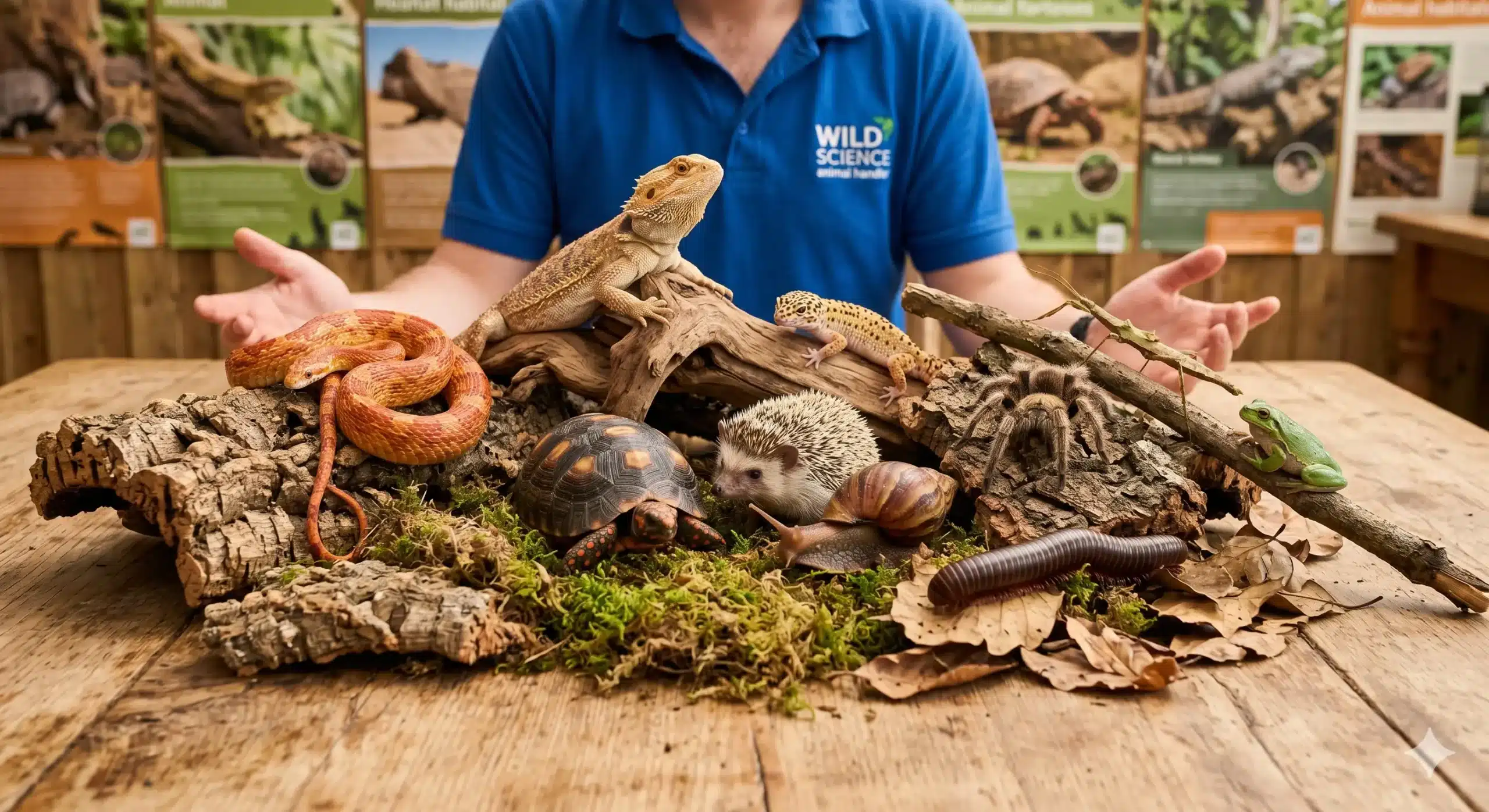
At Wild Science, we bring educational animal experiences directly to homes, schools, birthday parties, care homes, community events, and corporate functions throughout the UK. Our experienced handlers introduce visitors to a wide range of fascinating animals while ensuring the highest standards of safety and animal welfare.
In this guide, we’ll explore ten amazing exotic animals you can see and hold in the UK and discover why these encounters are so popular with children and adults alike.
What Makes an Animal Exotic?
An exotic animal is generally a species that is not commonly found as a native wild animal in the UK. These animals often come from different climates and habitats around the world, making them fascinating ambassadors for wildlife education.
Meeting exotic animals helps people learn about biodiversity, conservation, and the importance of protecting wildlife habitats worldwide.
1. Corn Snake
Corn Snakes are one of the most popular reptiles used in educational animal encounters. Their calm temperament and beautiful colour patterns make them ideal for supervised handling sessions.
Fun Fact
Despite common myths, Corn Snakes are non-venomous and are often recommended as one of the best beginner snakes.
Children are often surprised by how smooth and gentle they feel when held.
2. Bearded Dragon
Native to Australia, Bearded Dragons are known for their friendly personalities and distinctive "beard" that can puff out when they feel threatened.
These reptiles are popular at schools and birthday parties because they are calm, curious, and easy to observe.
Did You Know?
Bearded Dragons can communicate through body language, including arm waving and head bobbing.
3. Leopard Gecko
Leopard Geckos are small reptiles with beautiful spotted patterns and large expressive eyes.
Unlike many geckos, they do not have sticky feet and prefer walking across surfaces rather than climbing walls.
Their gentle nature makes them excellent educational animals.
4. Giant African Land Snail
One of the most unusual animals people can hold, the Giant African Land Snail is often a favourite at events.
Children enjoy learning how these incredible creatures move and how they use their tentacles to explore their surroundings.
Fun Fact
A Giant African Land Snail can have thousands of tiny teeth on its tongue-like structure, the radula, often numbering from 14,000 to over 25,000.
5. Stick Insect
Stick insects are masters of camouflage. Their bodies resemble twigs and branches, helping them avoid predators in the wild.
These fascinating mini beasts are perfect for teaching children about adaptation and survival.
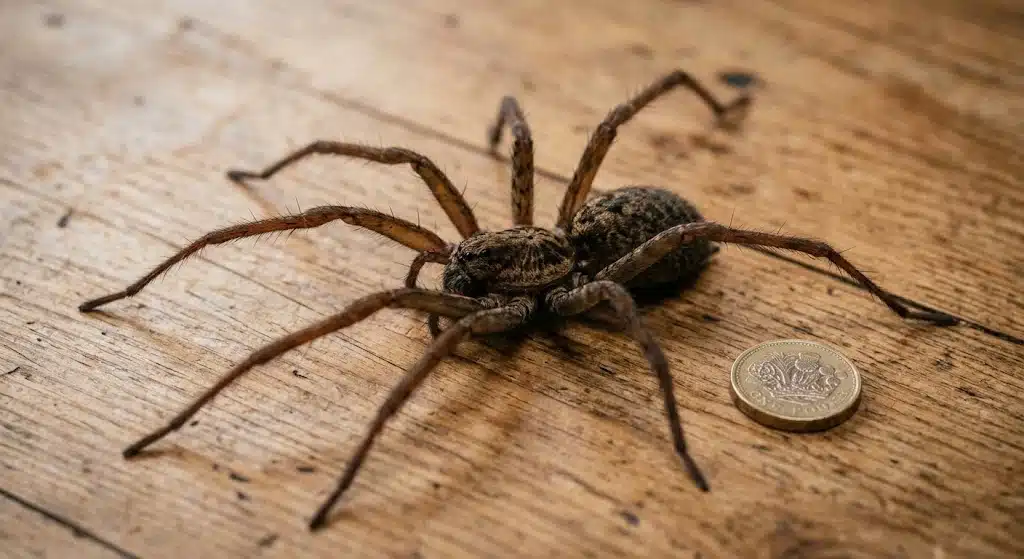
6. Tarantula
Although many people are nervous around spiders, meeting a tarantula often helps overcome fears and misconceptions.
Tarantulas are usually calm creatures that spend much of their time resting quietly.
Did You Know?
Most tarantulas use tiny hairs on their bodies as a defence mechanism rather than relying on bites.
7. Frog
Frogs are colourful amphibians that capture children’s attention immediately.
Their ability to climb and their unique life cycle make them excellent educational ambassadors.
Many people are fascinated to learn how frogs transform from tadpoles into fully developed amphibians.
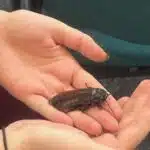
8. Giant Millipede
Giant millipedes are gentle invertebrates that help break down decaying plant matter in nature.
Their many legs and unusual appearance make them a popular choice during educational workshops.
Fun Fact
Despite their name, millipedes do not actually have 1,000 legs.
9. Tortoise
Tortoises are among the most recognisable reptiles in the world. Their slow movements and friendly personalities make them popular with visitors of all ages.
Many children enjoy learning about their long lifespans and unique shell adaptations.
10. Hedgehog
These small mammals are known for their adorable appearance and curious personalities.
Their spines help protect them from predators, while their keen sense of smell helps them explore the world around them.
Why Do People Love Hands-On Animal Experiences?
Meeting animals in person creates a much stronger connection than simply reading about them in books or watching videos.
Educational animal encounters can help children:
- Develop confidence around animals.
- Learn about conservation and wildlife.
- Improve observation and communication skills.
- Build empathy and respect for living creatures.
- Discover fascinating scientific concepts through real-world experiences.
Many teachers, parents, and event organisers find that hands-on animal experiences encourage curiosity and inspire a lifelong interest in science and nature.
What Animals Can Wild Science Bring to Your Event?
Wild Science provides a diverse range of animal encounters across the UK. Depending on the event and animal welfare considerations, our team may bring:
- Rabbits and guinea pigs
- Corn snakes or royal pythons
- Bearded dragons and geckos
- Tortoises
- Whites Tree Frog
- Giant African land snails
- Chinchilla
- Tarantulas
- Giant African millipede
- Various educational mini beasts
Every session is supervised by experienced animal handlers who prioritise safety, education, and animal welfare.
Please be aware that the animals we bring to events may differ, and we cannot guarantee the presence of any specific species.
Why Can Children Hold These Animals?
Not every animal is suitable for handling. The animals used in Wild Science experiences are carefully selected because they are generally calm, well-socialised, and accustomed to educational environments.
Our handlers assess every interaction and ensure that both children and animals remain comfortable throughout the experience.
The goal is not simply to hold an animal but to learn about it, understand its needs, and develop respect for wildlife.
Bring Exotic Animals to Your Event
If you’re looking for a unique birthday party, educational workshop, school visit, care home session, or community event, Wild Science can bring the wonders of the animal kingdom directly to you.
Instead of travelling to a zoo, children can enjoy close-up encounters with fascinating creatures while learning from experienced animal educators.
Whether it’s a snake, tortoise, Pac-Man frog, or tarantula, every encounter creates lasting memories and helps people connect with the natural world.