

More about Pet Therapy in Care Homes
Care Home Animal Therapy with Wild Science
Wild Science brings gentle, hands-on pet therapy sessions to care homes across the UK. Residents meet small mammals, reptiles and invertebrates, guided by DBS-checked, welfare-first handlers. Our sessions suit residents of all abilities, including those who cannot leave their rooms. Contact us to plan pet visits and animal visits for your care home.
Comfort, Connection and Companionship in Care Homes
Many older people have loved and cared for pets. Our animal therapy sessions bring that comfort back through safe, calm contact. Our handlers bring therapy animals to each room or lounge. They shape each visit around the needs of your care home residents.
Animal-assisted therapy creates a warm bond between people and animals. Soft fur and gentle movement help residents feel safe, relaxed, and cared for. Many people also enjoy sharing fond memories of their own pets. It is a joy for animal lovers. Animals provide companionship and support the well-being of every resident.
Pet therapy sessions encourage residents to talk, laugh, and share the moment. Stroking, feeding, and watching animals give residents a reason to join in. Staff and family members may see quiet residents open up.
Benefits of Pet Therapy for Older Adults
Studies have linked spending time with animals to improved mood and better well-being. The benefits of pet therapy for older adults include:
- Less loneliness and social isolation, with more social interaction between residents.
- Lower stress levels, and a calm, friendly way to reduce stress and anxiety.
- Support for mental health, including improved mood and motivation.
- Gentle sensory stimulation from soft fur, small movements and new sounds.
- Reports of lower blood pressure and heart rate after time spent with animals.
Pet therapy does not replace medical care. It adds positive experiences and moments of joy to the day. For more detail, read our blog on animal therapy in care homes. You can also see how animal visits help dementia patients in UK care homes.
Can you visit bed-bound residents too?
We believe everyone should have the chance to enjoy pet therapy. That is why we also offer bed-bound tours. Our handlers bring the animals to each resident's room for a personal, inclusive visit.
What pet therapy animals do you bring?
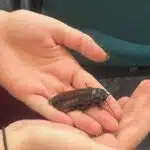
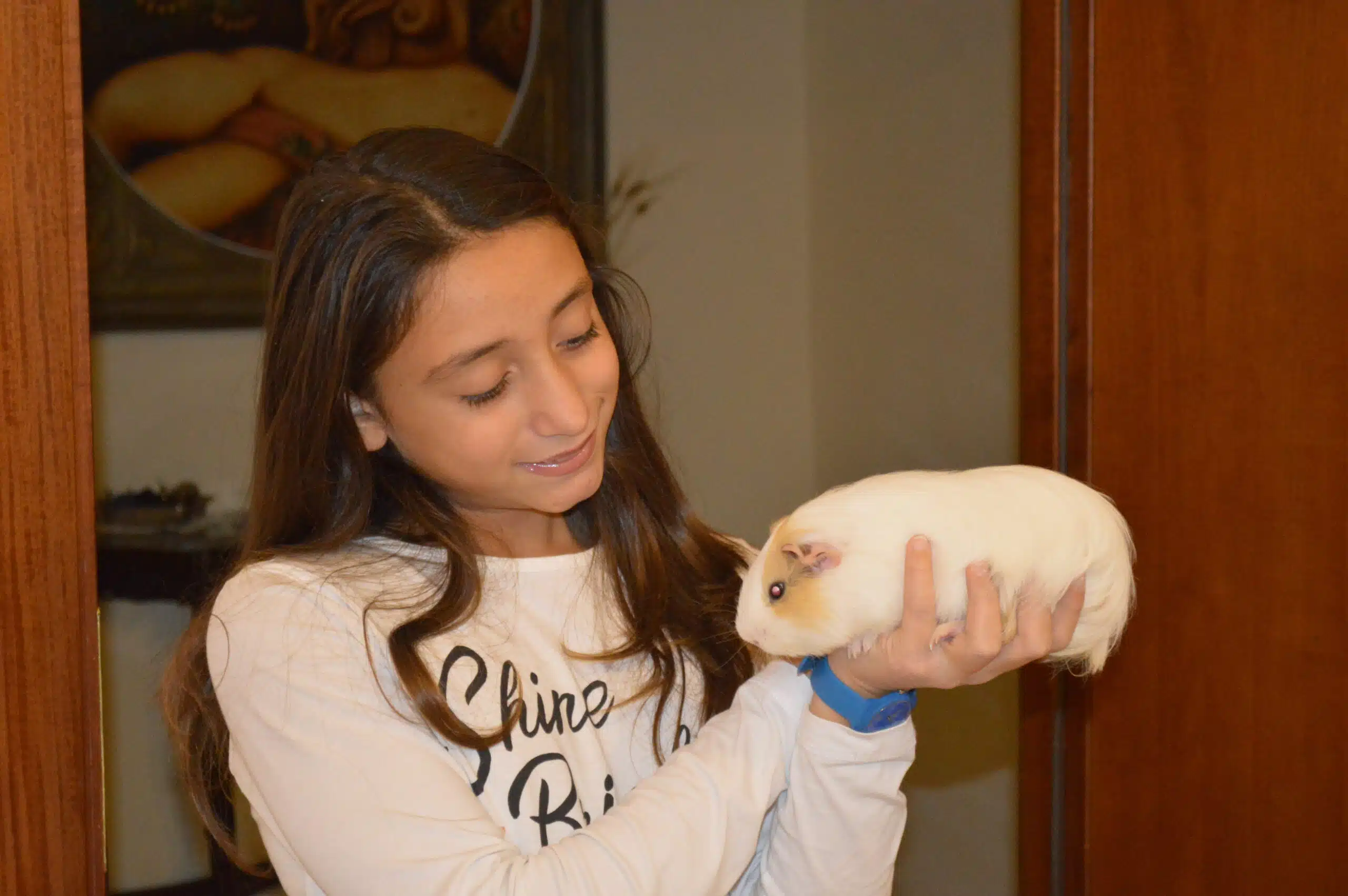
We use a variety of animals to give residents a sensory experience. These may include small mammals such as guinea pigs, reptiles such as bearded dragons, amphibians and invertebrates such as stick insects. We cannot guarantee specific animals at every visit, because animal safety and welfare always come first.
How long should a pet therapy visit last?
Our care home animal therapy suits every care home and all ages within it. We recommend 45 minutes to 1.5 hours. We are happy to extend the visit, and a longer session can include a bed-bound tour.
Who else can we visit?
We also bring pet therapy visits to other care settings, including hospitals, day centres and nursing homes. We also run SEN animal therapy sessions. For residents who cannot join a group, ask about our home visits.
Planning Regular Visits for Your Care Home
Regular visits help residents look forward to the next session. Animals can become regular visitors that residents enjoy seeing. Pet therapy in care homes works best as a welcome part of the week. Activity coordinators can plan visits around mealtimes, activity programmes and quieter times of day. You can also pair a visit with engaging workshops for care homes. To learn more about the approach behind our work, read about animal assisted therapy.
Therapy animals can reduce stress and ease loneliness and anxiety for older adults. They also bring a sense of purpose, comfort, and joy to everyone in the room. Wild Science makes pet therapy in care homes enjoyable and comforting. We are committed to bringing joy and fun to your care home. Read what clients say in our testimonials.