



Exploring Life Cycles and Spring Science
Spring is one of the most exciting times of the year for learning about nature and science. As the weather becomes warmer and plants begin to grow again, children naturally notice changes happening around them. Animals become more active, birds start nesting and many creatures begin new life cycles. These seasonal changes make Easter the perfect time for animal and science workshops that combine wildlife encounters with hands-on science learning.
Across the UK, schools and community organisations often organise seasonal workshops to help children explore how nature changes during spring. Easter-themed science activities allow young learners to understand important topics such as animal life cycles, habitats, ecosystems, and the science behind growth and development.
Workshops that combine animals with interactive experiments are especially effective because children learn best when they can see, ask questions, and explore the natural world directly. This is why Wild Science animal and science workshops are becoming increasingly popular with schools, holiday clubs, and community groups across the UK.
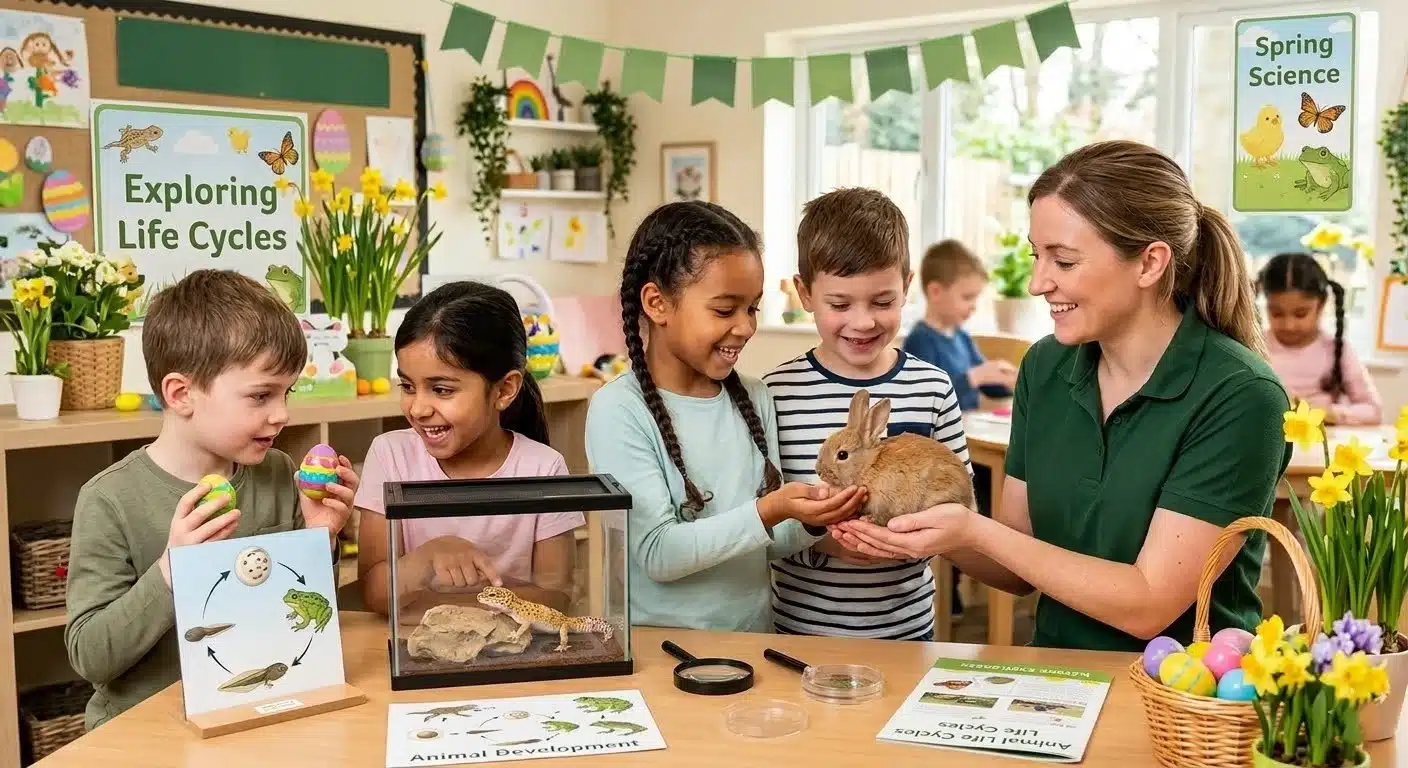
Easter animal and science workshops help children explore the animals and traditions associated with Easter.
This article is for teachers, parents, and event organisers looking to create engaging Easter animal and science workshops that connect children with nature and spring traditions.
Why Easter is the Perfect Time for Animal and Science Activities
Easter naturally connects with the idea of new life. Many animals begin breeding seasons in spring, plants grow quickly, and ecosystems become more active after winter. These natural changes provide an excellent opportunity for children to explore science topics in a meaningful and engaging way.
During Easter animal and science workshops, children can learn how animals survive in different environments, how life cycles work, and why spring is such an important time for many species. Instead of simply reading about these topics in books, they observe animals and take part in experiments that explain the science behind them.
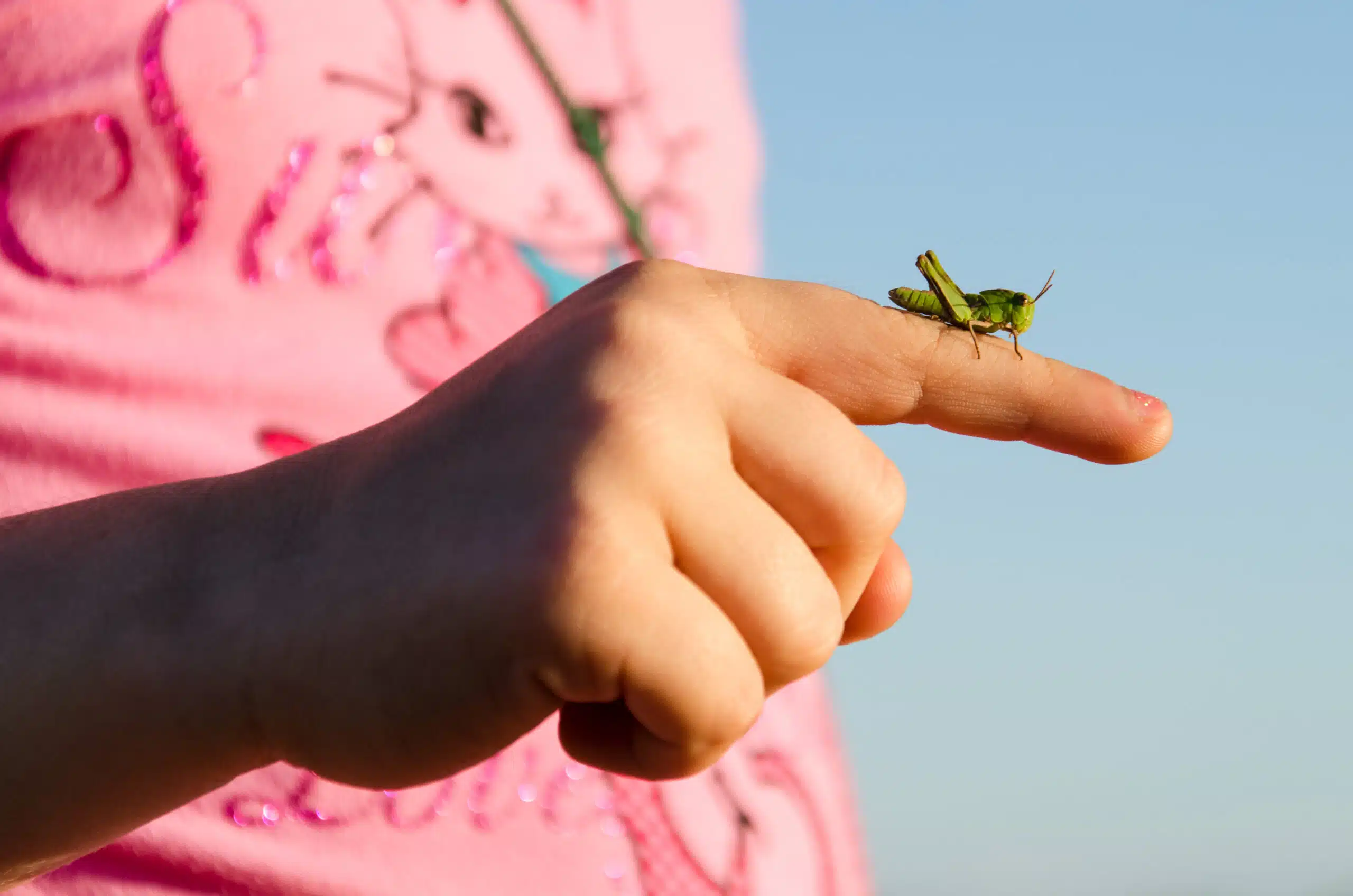
For example, children may learn how reptiles hatch from eggs, how amphibians develop through different life stages, or how insects play an important role in ecosystems. Seeing these examples in real life helps children connect science lessons with the world around them.
Wild Science designs its workshops to make these ideas easy to understand. Our Educators guide students through interactive activities that encourage curiosity and help children ask questions about the natural world.
Easter Animals and Springtime Traditions: Fun Facts for Children
Easter is a celebration that many families around the world enjoy. While chocolate eggs and Easter treats are popular today, many traditions are connected to springtime, animals, and the idea of new life.
During Easter time, people celebrate the arrival of warmer weather, blooming flowers and animals becoming more active in nature. In countries like England, Germany, and France, Easter traditions often include egg hunts, decorated Easter baskets, and stories about the famous Easter bunny.
Did you know?
The Easter rabbit, also called the Easter bunny, became popular in Germany hundreds of years ago. According to old Easter stories, the rabbit would visit homes on Easter morning and hide colourful eggs in gardens for children to find. Today, this tradition continues with the well-known Easter egg hunt that many children enjoy during Easter celebrations.
During Easter time in the UK, many traditions connect animals with the arrival of spring and new life. Children often wake up on Easter morning to search for colourful Easter eggs hidden in gardens or around the classroom as part of a fun egg hunt. The famous Easter bunny, sometimes called the Easter rabbit, is often shown carrying an Easter basket filled with treats and chocolate. These traditions are symbols of springtime, when animals become more active, flowers begin to bloom, and nature feels warm and alive again.
Many Easter stories also connect animals with nature and seasonal changes. For example, birds that lay eggs in nests, rabbits with big ears hopping through gardens, and other animals appearing in spring all represent renewal and life returning after winter.
Around the world, different countries celebrate Easter in unique ways, but the theme of nature, animals, and new beginnings remains the same. These ideas also make Easter a great moment for children to explore science topics such as animal life cycles, ecosystems, and the natural world.
Exploring Life Cycles Through Animal Encounters
One of the most fascinating topics explored during Easter workshops is the life cycle of animals. Spring is the time when many species begin new stages of life, making it an ideal moment to introduce biology concepts.
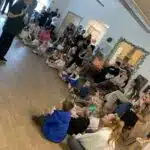
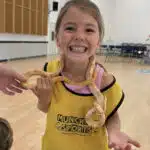
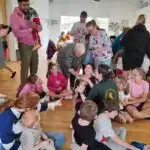
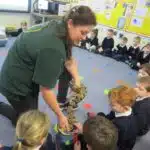
When children attend Wild Science Easter animal and science workshops, they can participate in animal encounters that help them learn biology. Furthermore, they can understand how different species grow, adapt, and survive in their environments.
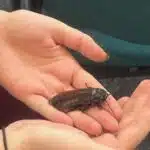
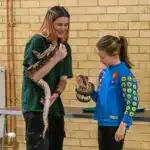
Our animals experts explain how reptiles, amphibians, mammals, and invertebrates develop through different life stages. These examples help children understand how eggs hatch, how young animals grow, and how adults survive in the wild.
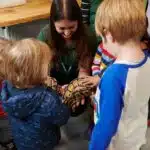
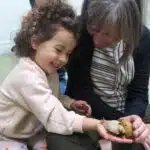
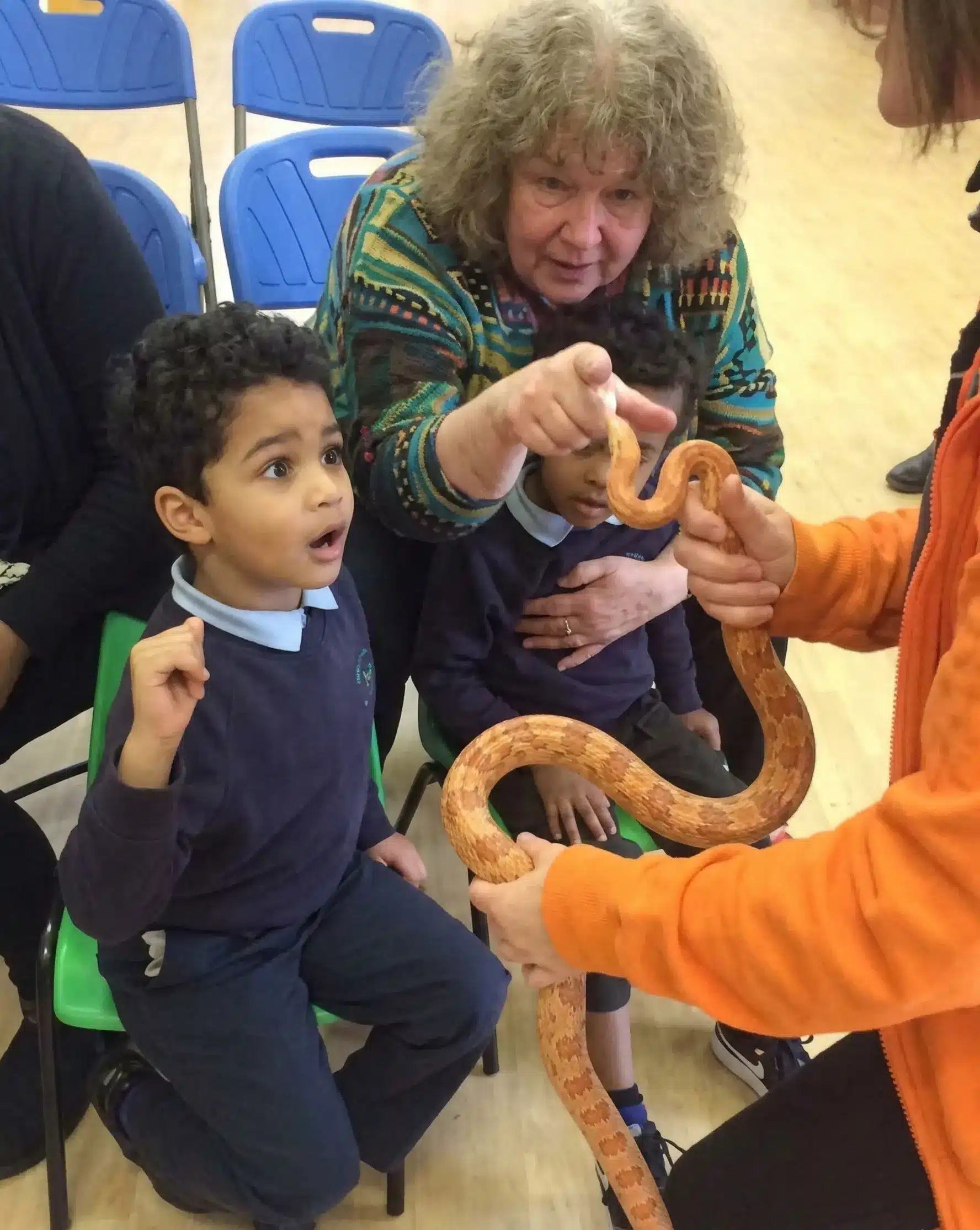
Seeing animals up close creates a powerful learning experience. Children often remember these moments far more clearly than information learned from textbooks. Animal encounters also help them develop respect for wildlife and a deeper understanding of how ecosystems work.
Wild Science ensures that all animals used during workshops are well cared for and handled safely. The focus is always on education, animal welfare, and creating positive learning experiences, even in animal and science workshops for nursery and pre-school children.
Wild Science educators are trained in animal handling and science communication, ensuring each workshop is safe and engaging.
Spring Science Experiments That Spark Curiosity
Animal encounters are only one part of the experience. Science experiments and demonstrations also play a key role in Easter workshops.
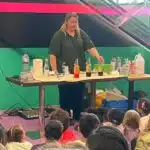
Wild Science science workshops for kids are designed to show how scientific ideas appear in everyday life. During sessions, children participate in simple but exciting experiments that explain concepts such as energy, reactions, forces, and environmental changes.
Spring-themed experiments might explore how plants grow, how animals adapt to different environments, or how chemical reactions work, including simple materials science activities about different substances. These demonstrations allow students to see science happening in real time rather than just reading about it.
Hands-on activities are especially helpful for young learners because they encourage participation and problem-solving. When children investigate scientific ideas themselves, they begin to develop curiosity about how the world works.
This type of interactive learning is one reason Wild Science workshops for schools are widely used across the UK during seasonal learning events such as Easter or British Science Week.
An Easter science workshop can include a mixture of:
- animal encounters
- interactive experiments
- nature discussions
- question and answer sessions
This variety keeps children engaged and ensures that learning remains exciting throughout the session.
Why Schools Choose Wild Science for Easter Workshops
Many schools across England, Scotland and Wales organise seasonal science events to enrich classroom learning. Wild Science workshops are designed specifically to support educational goals while keeping students engaged and excited.
Teachers often use these workshops to reinforce topics from the science curriculum, including animal classification, ecosystems, habitats, and environmental awareness, drawing on interactive educational programs about science and the natural world.
Wild Science educators are experienced at explaining complex scientific ideas in ways children can easily understand. Workshops combine storytelling, demonstrations, and interactive activities so that every student can take part, reflecting the wider range of Wild Science animal experiences and workshops.
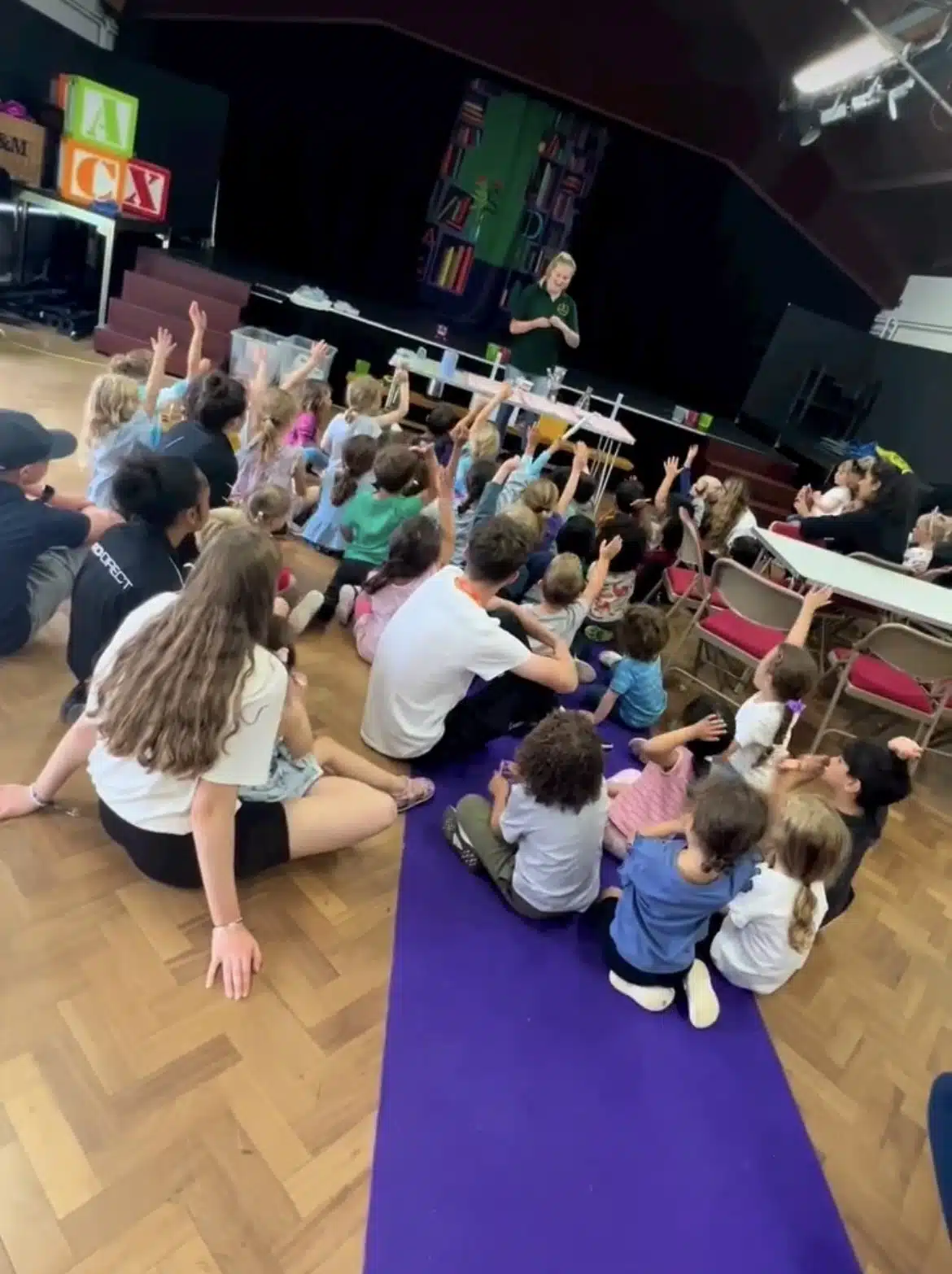
Because the sessions are mobile, Wild Science can deliver mobile animal encounters across the UK and Easter animal and science workshops directly to schools, community venues, and holiday clubs. This makes it easy for teachers and organisers to host educational events without arranging complicated trips.
Please note that the list of animals we bring to events may vary, and we cannot guarantee the presence of any particular species.
Hiring Animals for the Best Easter Party Events
Some organisers also look for creative ways to make Easter celebrations more educational. Instead of traditional party activities alone, many schools and families consider hiring animals for half-term and Easter holiday workshops.
Animal encounters can transform a simple celebration into an exciting learning experience. When children meet animals and learn fascinating facts about them, the event becomes both entertaining and educational.
While the focus of Wild Science workshops is always education rather than entertainment alone. Many organisers find that combining science learning with animal encounters makes Easter events especially engaging.
How Easter Workshops Inspire Future Scientists
Hands-on learning experiences often inspire children to explore science further. When young learners participate in Easter animal and science workshops, they see how scientific ideas apply to the real world.
Instead of simply hearing about ecosystems or habitats, they observe animals interacting with their environment. Instead of memorising facts about biology, they see how life cycles and adaptations actually work.
These experiences encourage curiosity, critical thinking, and a deeper appreciation for nature. For some students, a science workshop or animal encounter can be the moment that sparks a lifelong interest in science, wildlife, or conservation.</p>
Wild Science aims to create these moments of discovery by making science accessible, engaging, and enjoyable for children of all ages.
Best Mobile Easter Animal and Science Workshops Across the UK
One of the advantages of Wild Science workshops is that they can be delivered directly to schools and event venues. There is no need to travel to a zoo or science centre. The animals, equipment, and educators come to you.
Wild Science provides mobile Easter animal and science workshops across the UK, including major cities such as London, Birmingham, Manchester, Bristol, Leeds, Glasgow, and Cardiff. Workshops can also be arranged in smaller communities and rural areas.
Sessions can be organised for schools, community events, holiday clubs, and educational celebrations during the Easter season.
Each workshop is designed to combine animal encounters, science experiments, and engaging discussions that help children understand the natural world.
Schools, community groups, and holiday clubs can contact Wild Science to organise Easter animal and science workshops tailored to their students or event.