



More about Food Chains and Food Webs Workshop
What is a Food Chain
Discover How Nature Connects Through Food Chains and Food Webs
Every living thing depends on other organisms to survive. From plants and insects to mammals and reptiles, all animals play an important role in nature.
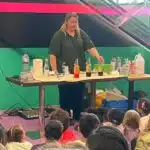
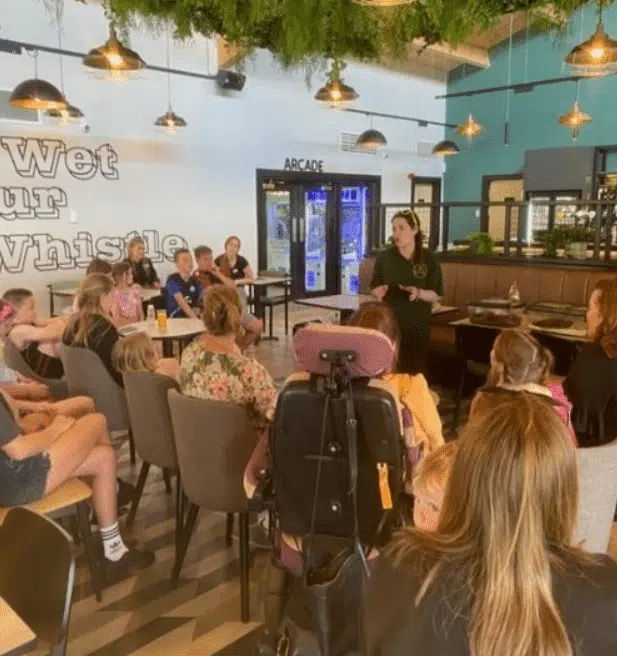
Our Food Chains and Food Webs Workshop helps students understand these important relationships through interactive learning and live animal encounters. Using real animals and engaging activities, we bring ecosystems, habitats, and food chains to life in a way that is fun, memorable, and curriculum-focused.
Suitable for primary and secondary schools, this workshop introduces students to the fascinating connections that exist between producers, consumers, predators, prey, and decomposers.
What Are Food Chains and Food Webs?
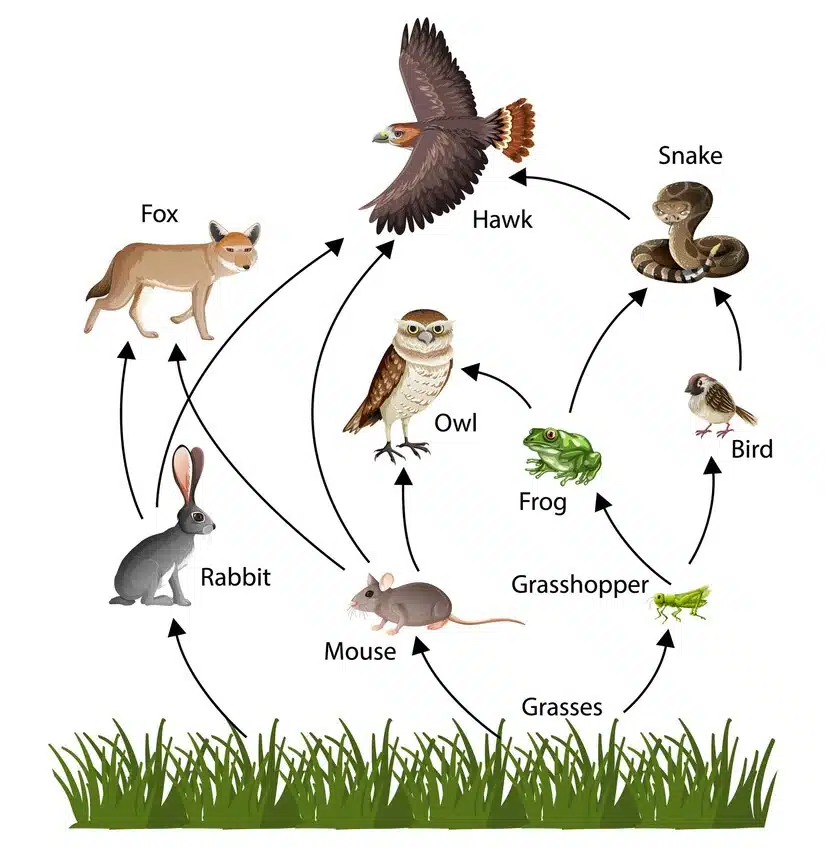
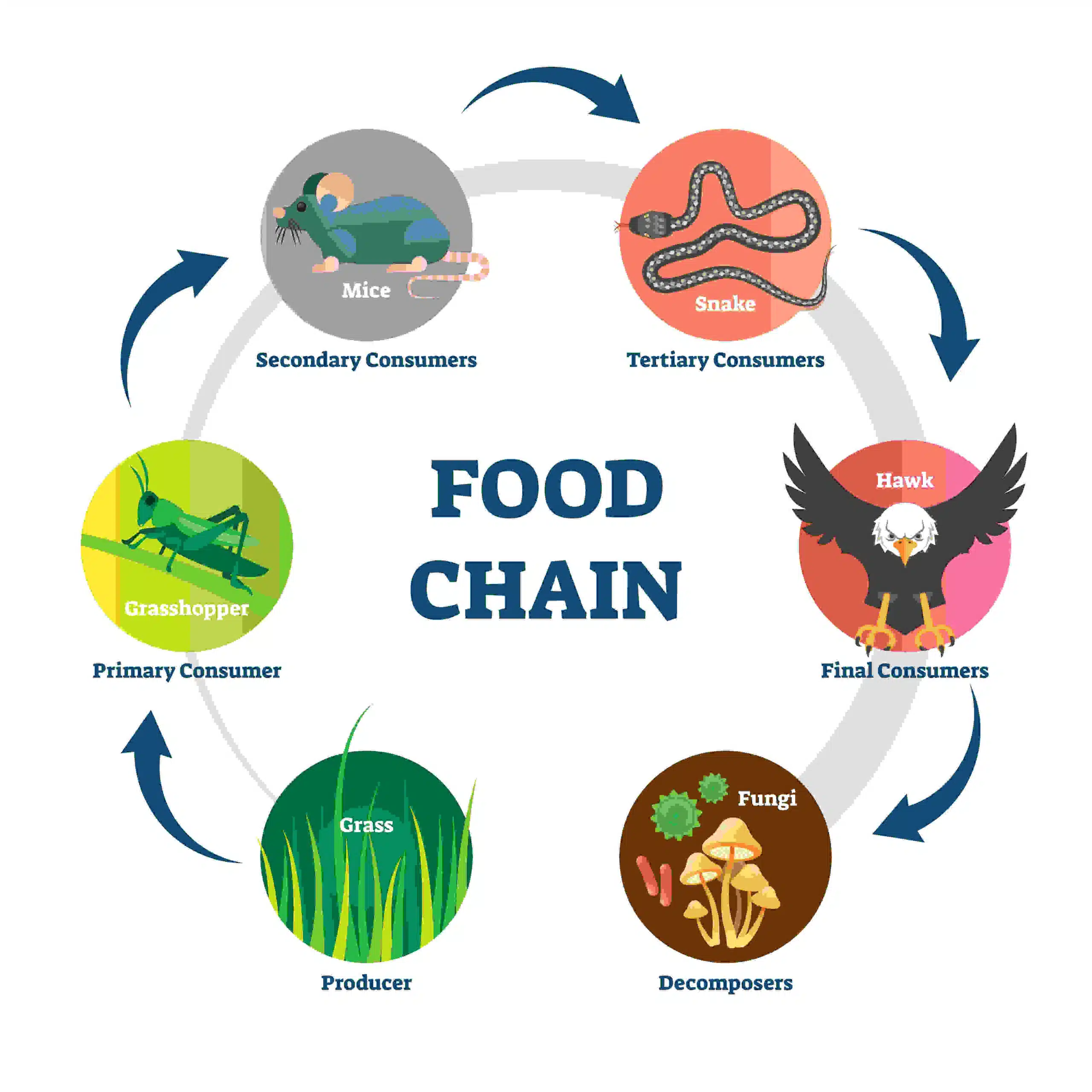
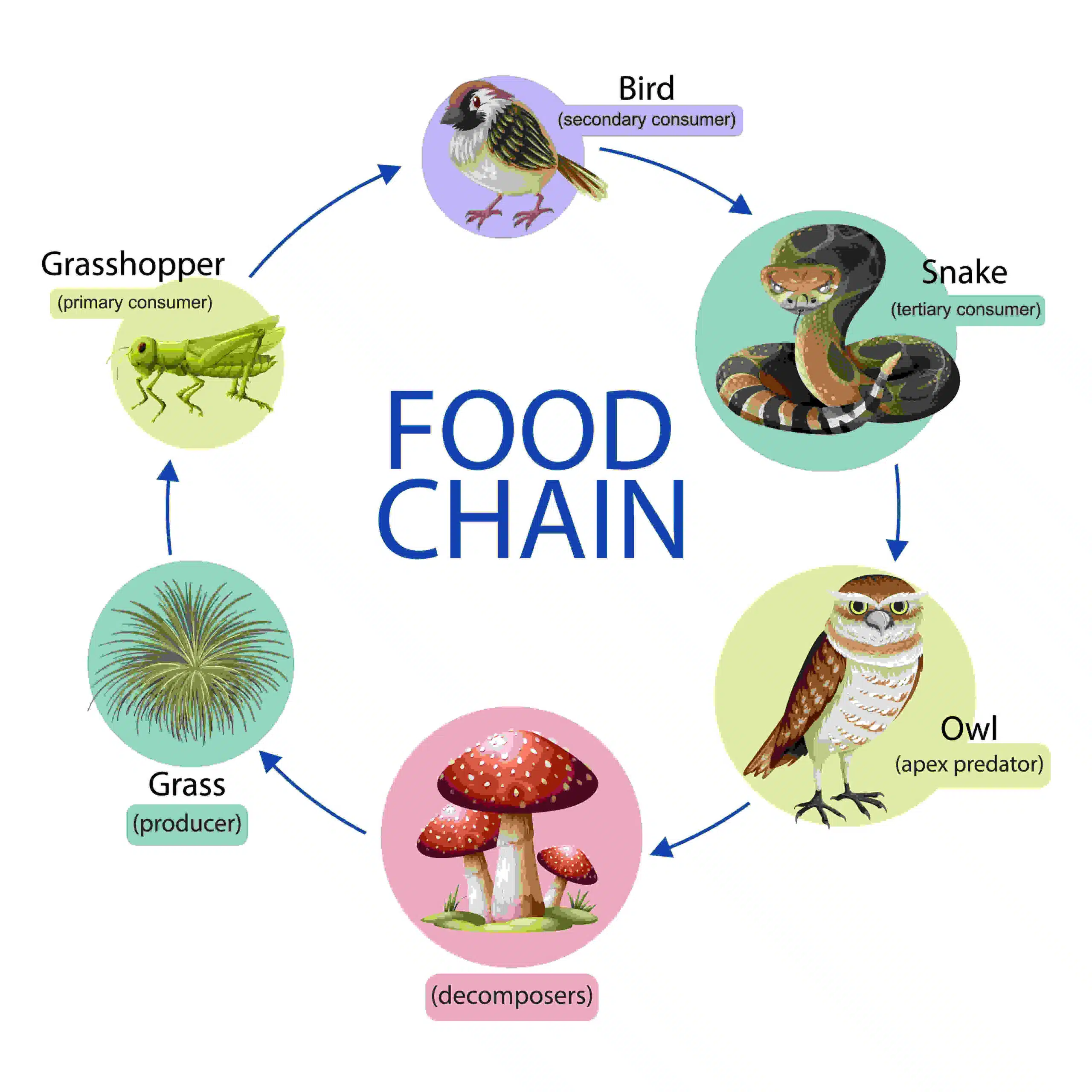
A food chain shows how energy moves through living organisms. It explains who eats whom within an ecosystem and helps students understand how plants and animals depend on each other.
In contrast, a food web is more complex, illustrating how multiple food chains connect together. Students learn that most animals are part of several food chains and play different roles within their environment.
Through interactive discussions and practical examples, we make these scientific concepts easy to understand for learners of all ages.
Learning Through Live Animals
At Wild Science, we believe children learn best when they can see real examples in front of them.
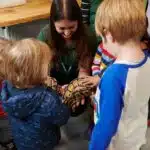
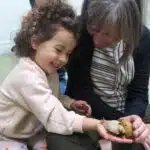
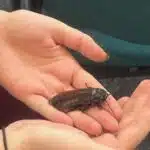
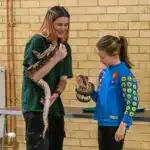
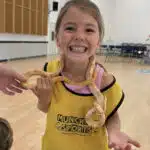
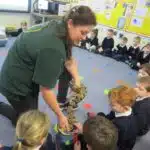
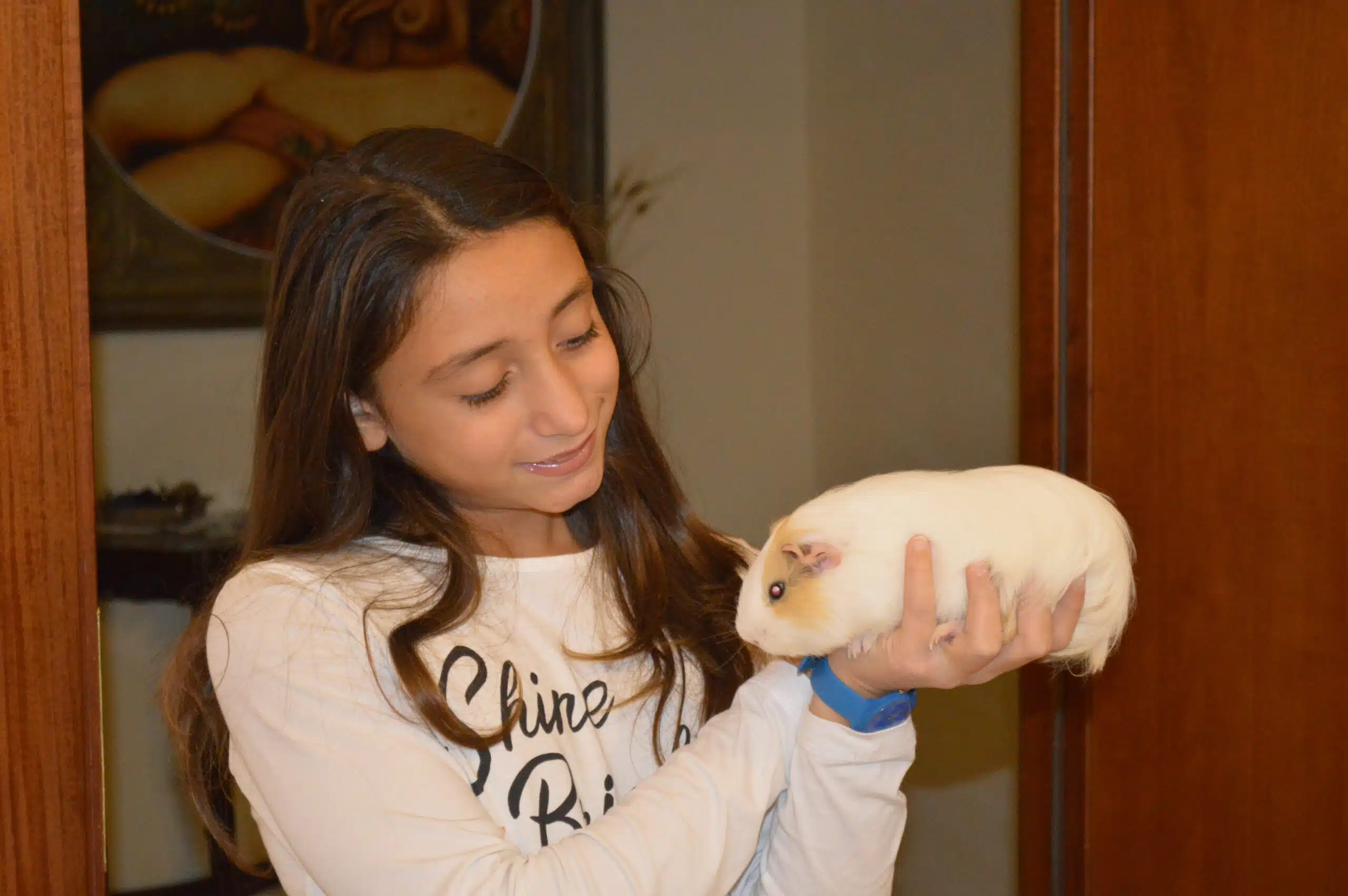
Therefore, our workshop includes a variety of live animals that help demonstrate predator-prey relationships, habitats, adaptations, and feeding behaviours. Students can observe animals up close while exploring how different species fit into food chains and food webs.
Using live animals creates a much more engaging learning experience than simply reading from a textbook or worksheet.
What Will Students Learn?
During the workshop, students will explore:
- What a food chain is
- The difference between food chains and food webs
- Producers, consumers, and decomposers
- Predator and prey relationships
- Habitats and ecosystems
- Animal adaptations
- Energy transfer in nature
- The importance of biodiversity
Our workshop can be adapted to suit different age groups and curriculum requirements.
Food Chains and Ecosystems
Every ecosystem depends on balance.
Students learn how plants provide energy for herbivores, how carnivores rely on prey animals, and how changes to one species can affect an entire ecosystem.
By exploring real-life examples, pupils gain a deeper understanding of how living things are connected and why conservation is important.
Curriculum Support
Food chains and food webs are important topics within the science curriculum.
Our workshop supports learning objectives linked to habitats, ecosystems, living things, adaptations, and biodiversity.
For younger pupils, we introduce basic food chain concepts through simple activities and discussions.
Meanwhile, for older students, we explore more advanced ecological relationships and encourage critical thinking about environmental challenges and conservation.
Teacher Resources
Click here to download our free Food Chain & Web Activity Sheets for Younger Children and Older Children.
Ultimately, this helps develop scientific thinking while encouraging respect for wildlife and the natural environment.
Why Schools Choose Wild Science
Schools across the UK choose Wild Science because we combine education with hands-on learning.
Our experienced presenters use live animals, interactive activities, and engaging discussions to make science exciting and accessible.
Furthermore, students are encouraged to ask questions, make observations, and participate throughout the session, which helps them build confidence and develop a stronger understanding of the natural world.
Whether you are planning a science week, enrichment day, STEM event, or classroom workshop, you can tailor our Food Chains and Food Webs Workshop to suit your learning objectives.
Recommended Session Duration & Ages
This workshop is suitable for children aged 6 years and above.
Sessions usually last between 45 minutes and 1 hour, and multiple sessions can be scheduled throughout the day for larger schools and events.
Our team can adapt the content to suit KS1, KS2, KS3, and KS4 learners, ensuring every participant enjoys an age-appropriate and engaging experience.
Frequently Asked Questions
What is a Food Chains and Food Webs Workshop?
This is an interactive science workshop that teaches students how living organisms are connected within ecosystems. Using live animals and engaging activities, pupils learn about food chains, food webs, predators, prey, and habitats.
Is the workshop suitable for primary schools?
The workshop supports primary school science topics and adapts for different age groups. It adjusts activities and explanations to suit the learners taking part.
What animals are used during the workshop?
The animals may vary depending on availability and welfare requirements. We use a variety of species to help demonstrate habitats, adaptations, and ecological relationships.
How does the workshop support the curriculum?
The workshop supports topics such as living things, habitats, ecosystems, food chains, biodiversity, and animal adaptations. It helps reinforce classroom learning through practical experiences.
Can multiple sessions be delivered in one day?
Yes. We regularly provide multiple workshops during science weeks, enrichment days, and larger school events to allow more students to participate.
Book Your Food Chains and Food Webs Workshop
Bring ecosystems, habitats, and wildlife education to life with Wild Science.
Our Food Chains and Food Webs Workshop combines live animals, interactive learning, and curriculum-linked science to create an unforgettable educational experience for students of all ages.
Contact our team today to learn more about booking a workshop for your school or educational event.