



Minibeast Encounter: Exploring the Fascinating World of Insects
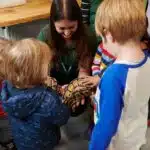
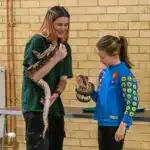
Mini beasts, a colloquial term for invertebrates, are tiny creatures that play a big role in our world. From buzzing bees to wriggling worms, they’re everywhere. They help plants grow, recycle dead leaves, and provide food for other animals. Exploring the world of mini beasts is a fun way for kids to learn about nature. Wild Science offers exciting Live Animals and Minibeasts Workshops for Schools across the UK, bringing minibeast encounters to you.
What is a Minibeast?
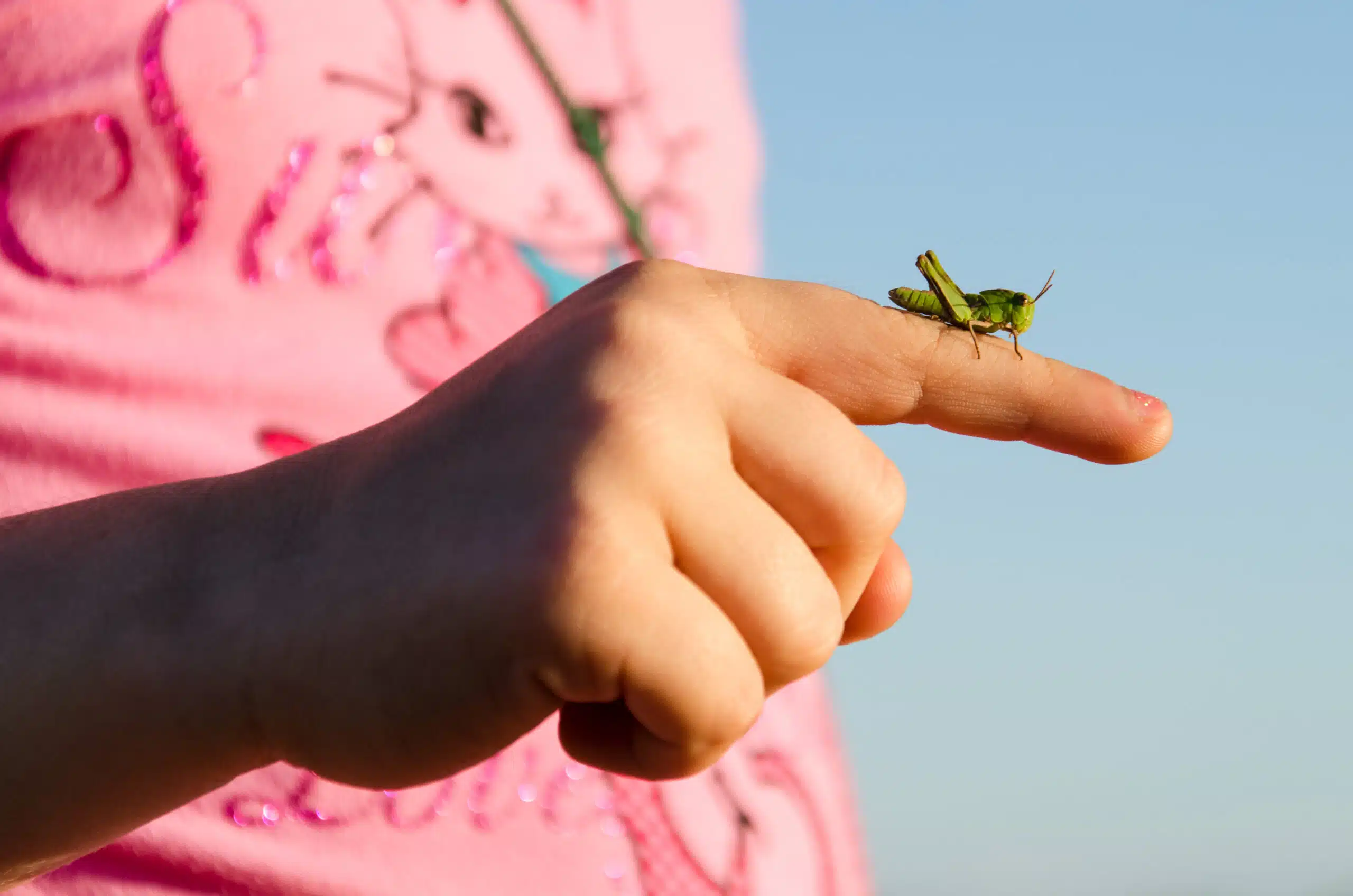
A minibeast is an invertebrate, meaning it has no backbone. ‘Minibeast’ is a colloquial term; the scientific term is ‘invertebrate.’ This includes insects, spiders, snails, worms, and many other tiny creatures. Minibeasts come in all shapes and sizes and live in different habitats such as soil, trees, and water. They are an important part of the food chain, which helps plants to grow and be food for larger animals.
Want to meet some amazing minibeasts? Check out our Tarantula page and Millipede page
Why Are Minibeasts Important in Food Chains?
Minibeasts help our environment in many ways:
- Pollination – Bees and butterflies carry pollen from flower to flower, helping plants grow.
- Decomposition – Worms and beetles break down dead plants and animals, recycling nutrients into the soil.
- Food Chains – Minibeasts are a vital food source for birds, amphibians, reptiles and mammals.
Most minibeasts are herbivores (eat plants) and have special adaptations for consuming plants.
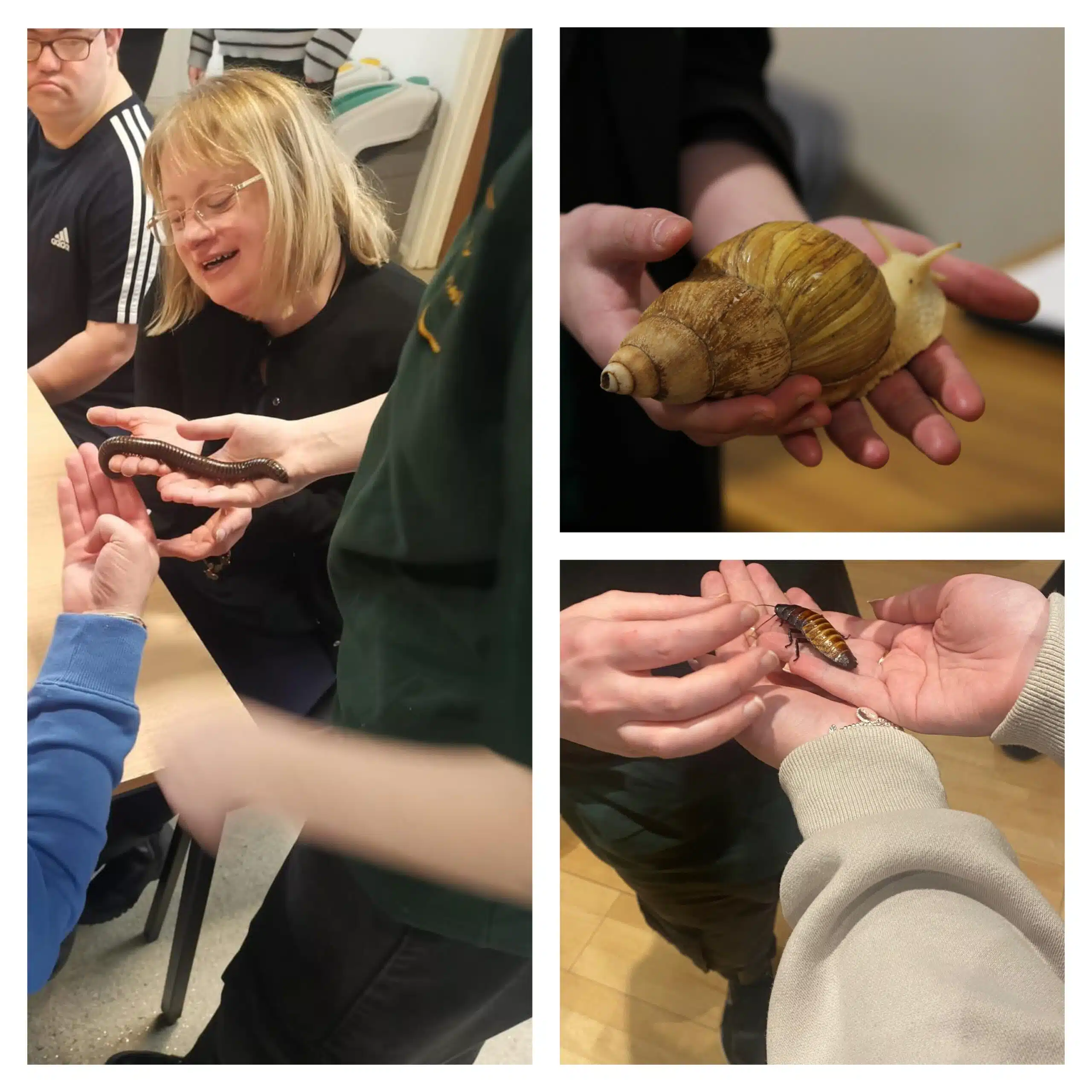
Wild Science brings minibeast encounters to life through live animal experiences at holiday parks and adaptation workshops.
Exploring Minibeast Habitats (minibeasts living)
Minibeasts can be found in:
- Gardens – Snails, ants and butterflies live among plants and flowers
- Ponds – Dragonflies, water beetles, and pond skaters live in and around water.
- Forests – Centipedes, millipedes, and spiders hide under leaves and logs.
- Soil – Earthworms and woodlice work underground to break down organic matter.
Minibeasts also live in various ecosystems, such as forests, rivers, and deserts, and in microhabitats like under logs, in tree bark, or even in homes, showcasing their unique adaptability to diverse conditions.
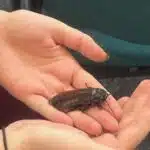
Take a closer look at the Scorpion page and the Cockroach page at our animal minibeast encounter workshop across the UK to discover how these tiny creatures survive.
Minibeast Biology
Minibeasts are incredibly diverse, with over a million described species, and scientists estimate that there may be up to 30 million more that haven’t been discovered yet. These tiny creatures have evolved to thrive in almost every environment on Earth, from the freezing tundra to the hottest deserts. They come in all shapes and sizes, from the tiny fairyfly, which is smaller than a grain of salt, to the giant Goliath beetle, which can weigh up to 85 grams.
Minibeasts have a range of body structures that allow them to move, feed, and reproduce. Insects, for example, have six legs, which they use to walk, run, and jump. Arachnids, on the other hand, have eight legs, which they use to crawl and climb. Many minibeasts also have wings, which enable them to fly and disperse to new habitats.
Minibeast creatures have a variety of senses that help them navigate their environment. They can see, hear, smell, taste, and feel their way around. Some minibeasts, like bees, have compound eyes that allow them to see in multiple directions at once. Others, like ants, have highly developed senses of smell that help them find food and communicate with each other. This incredible adaptability makes minibeasts one of the most successful groups of animals on the planet.
Minibeast Role in the Food Chain
Minibeasts play a crucial role in food chains. Minibeasts are both predators and prey. Many minibeasts are herbivores, eating plants and helping to disperse seeds. Others are carnivores, preying on other minibeasts and helping to regulate their populations.
These tiny creatures are an important food source for many larger animals, including birds, bats, and spiders. Without minibeasts, many of these larger animals would struggle to find enough food to survive. Minibeasts also help to break down dead plant and animal matter, which is related to recycling nutrients back into the ecosystem.
In addition to their role in food chains, minibeasts are important for pollination and decomposition. Many minibeasts, like bees and butterflies, are important pollinators who transfer pollen between flowers and facilitate plant reproduction. Others, like ants and beetles, are key decomposers, breaking down dead plant and animal matter and recycling nutrients into the soil. This makes minibeasts essential for healthy ecosystems.
Minibeast Conservation and Threats
Minibeasts are facing many threats, including habitat destruction, climate change and pollution. Many minibeast habitats, like meadows and forests, are being destroyed or degraded, leaving these creatures without a home. Climate change is also affecting minibeast populations as changing temperatures and precipitation patterns disrupt their life cycles and habitats.
Pollution is another major threat to minibeasts. Pesticides and other chemicals can harm or kill these tiny creatures and disrupt ecosystems and food chains. Many minibeasts are also being over-collected for the pet trade, which can deplete wild populations and further disrupt ecosystems.
Conservation efforts are underway to protect minibeasts and their habitats. Many organisations are working to create protected areas like nature reserves and national parks where minibeasts can live and thrive. Others are educating the public about the importance of minibeasts and the threats they face.
Individuals can also make a difference by creating minibeast-friendly habitats in their own gardens and communities. This can involve planting flowers that attract pollinators, creating ponds that support aquatic minibeasts and reducing pesticide use. Together we can help protect these incredible creatures and the ecosystems they live in.
Fun Minibeast Activities for Kids in the Primary School Curriculum
Children love nature. Here are some fun ways to learn about minibeasts:
- Minibeast Hunt – Look under rocks, in flower beds, and on trees to find different species.
- Bug Hotels – Build a shelter using logs, leaves, and twigs to attract insects.
- Nature Art – Use natural materials like leaves and petals to create minibeast-themed crafts.
- Minibeast Observation – Watch how snails move or how ants work together in a colony.
Wild Science offers interactive sessions, including care home animal therapy and open animal sessions for all ages.
Amazing Minibeasts You Can Meet
Here are some fascinating minibeasts and their unique features:
- Tarantulas – Large, hairy spiders that can be found in warm climates. Meet Terri the Tarantula.
- Scorpions – Known for their pincers and venomous stingers. Learn about Scott the Scorpion.
- Beetles – These insects have hard shells and play a key role in breaking down dead plants.
Get in Touch
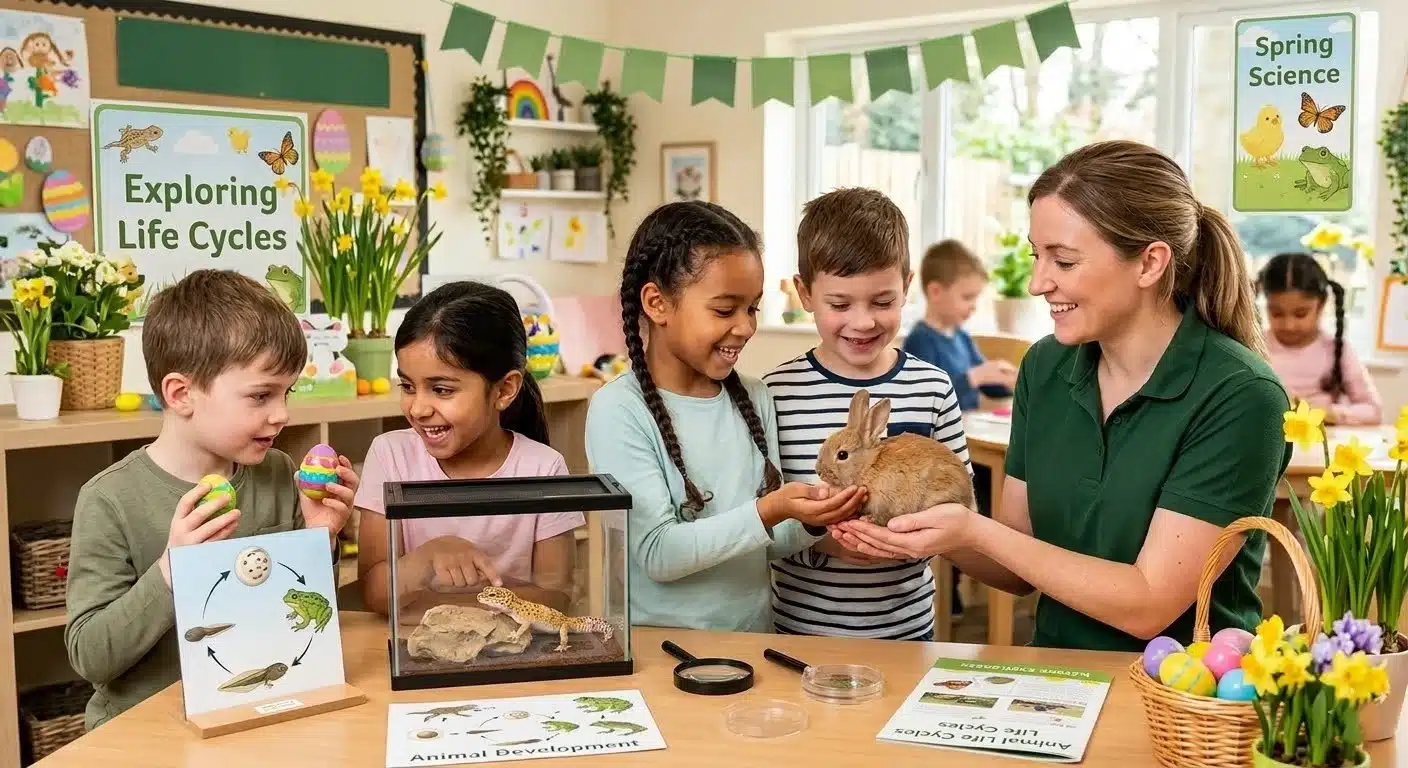
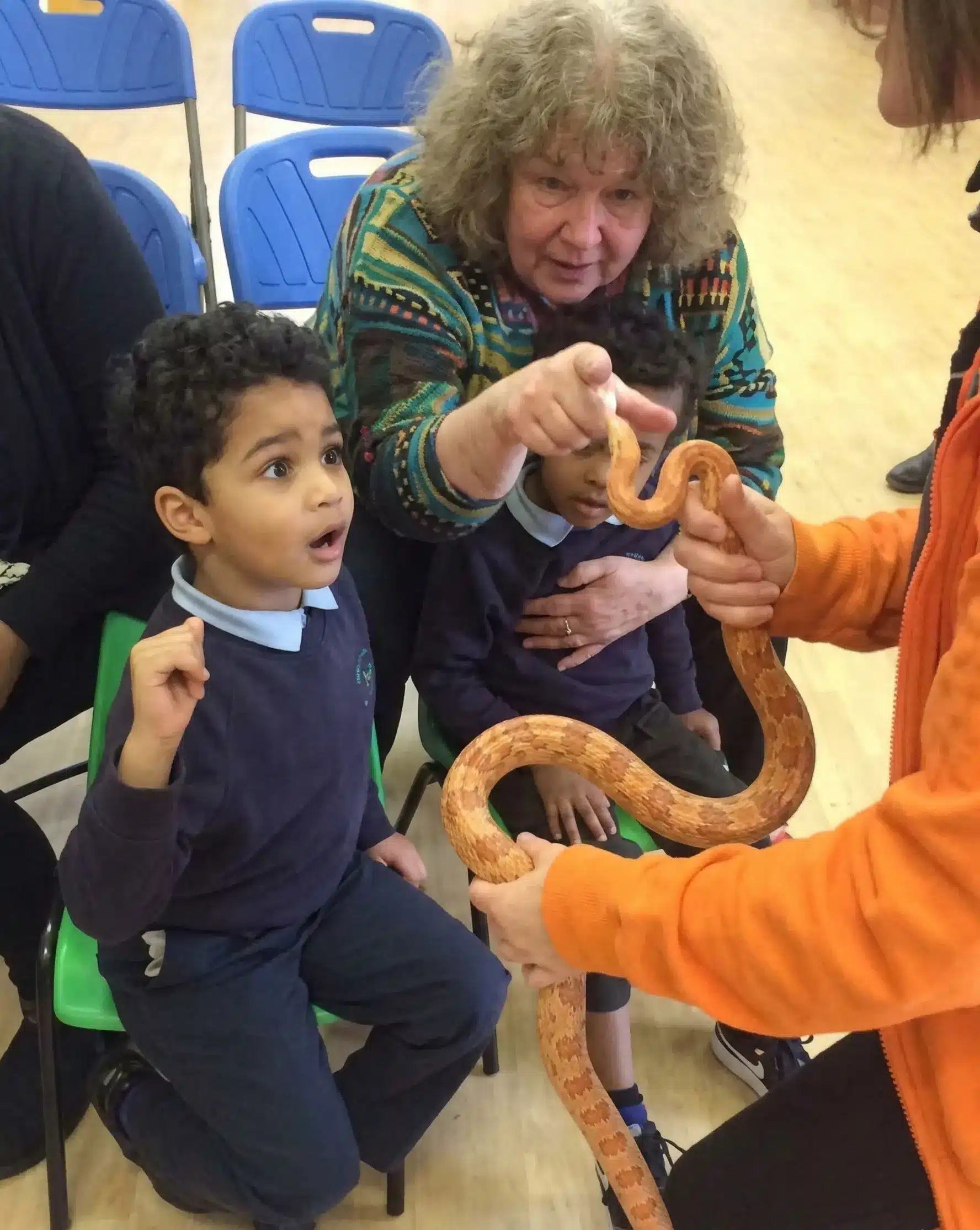
Ready to enter the amazing world of minibeasts? Wild Science offers minibeast encounters across the UK. Whether it’s for schools, parties or special events our expert-led sessions provide hands-on learning experiences.
Contact us today to schedule your Minibeast encounter across the UK!
Wild Science brings the magic of minibeasts to life through hands-on experiences.
Explore more with our animal workshops and interactive sessions!