



More about Animal Life Cycles
What is a life cycle
What Is an Animal Life Cycle?
Understanding the animal life cycle is one of the most exciting ways for children to explore the natural world. Every living thing goes through its own life cycle. As a result, children move through the same broad stages as the animals they meet, from birth to adulthood.
Only a small percentage, around 3-5%, of all animals on this planet give birth to live young. These are known as viviparous animals. The rest lay eggs instead, known as oviparous animals, and the young hatch outside the body. Either way, every young animal still has to grow through the same broad stages. Only then does it become one of the adults of its species.
An animal needs to eat, stay safe, and reproduce in order to grow. From birth, animals develop the skills they need to survive in their environment. In turn, the cycle begins again with a new generation.
Some animals, such as amphibians and insects, undergo metamorphosis. This is a complete transformation during their life cycle. As a result, the young look almost nothing like the adult they will become.
A Frog's Life Cycle
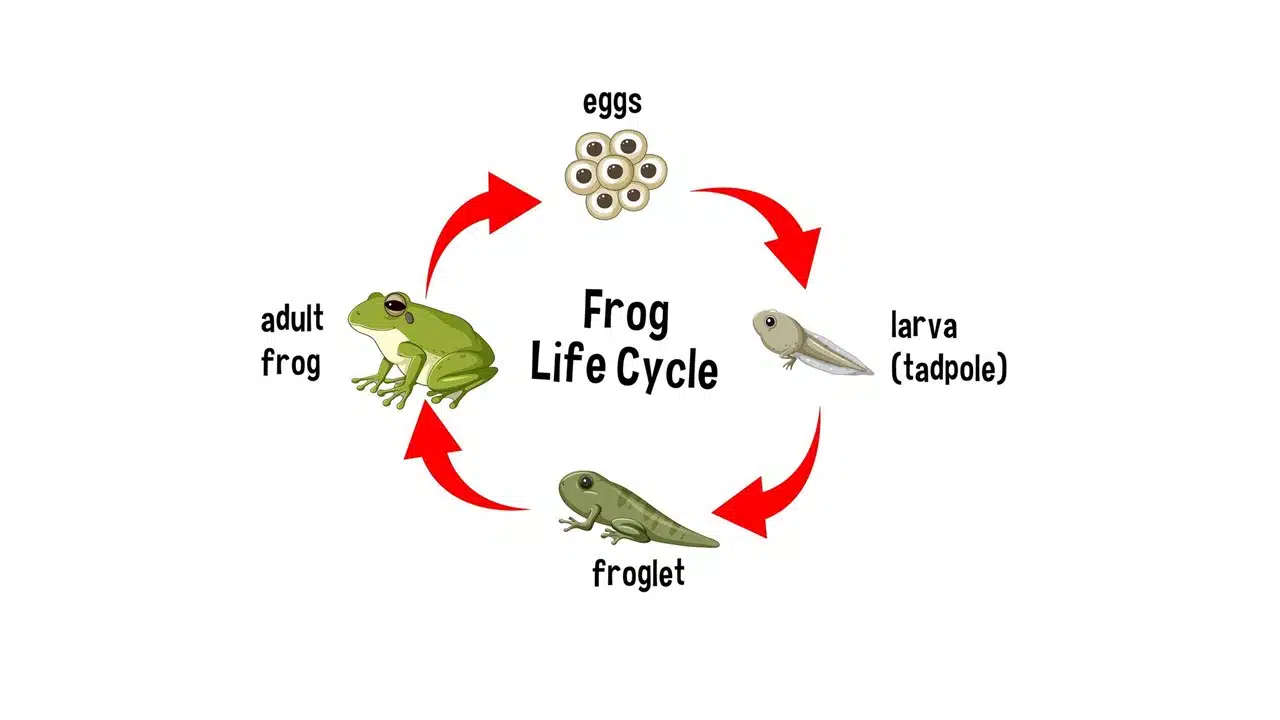
A frog's life cycle is one of the clearest examples of metamorphosis. It starts when a female frog returns to water to lay eggs, laying hundreds at once. Even so, only a small number will survive to become adults. Frog parents generally leave their eggs to develop on their own once they're laid. The eggs then hatch into tadpoles. These young tadpoles spend the first part of their lives developing in water and breathing through gills. As the tadpoles grow legs, their gills are gradually replaced by lungs. Because of this change, they turn into adult frogs able to live on land as well as in water. The whole cycle, from egg to adult frog, can take just a few weeks.
A Butterfly's Life Cycle
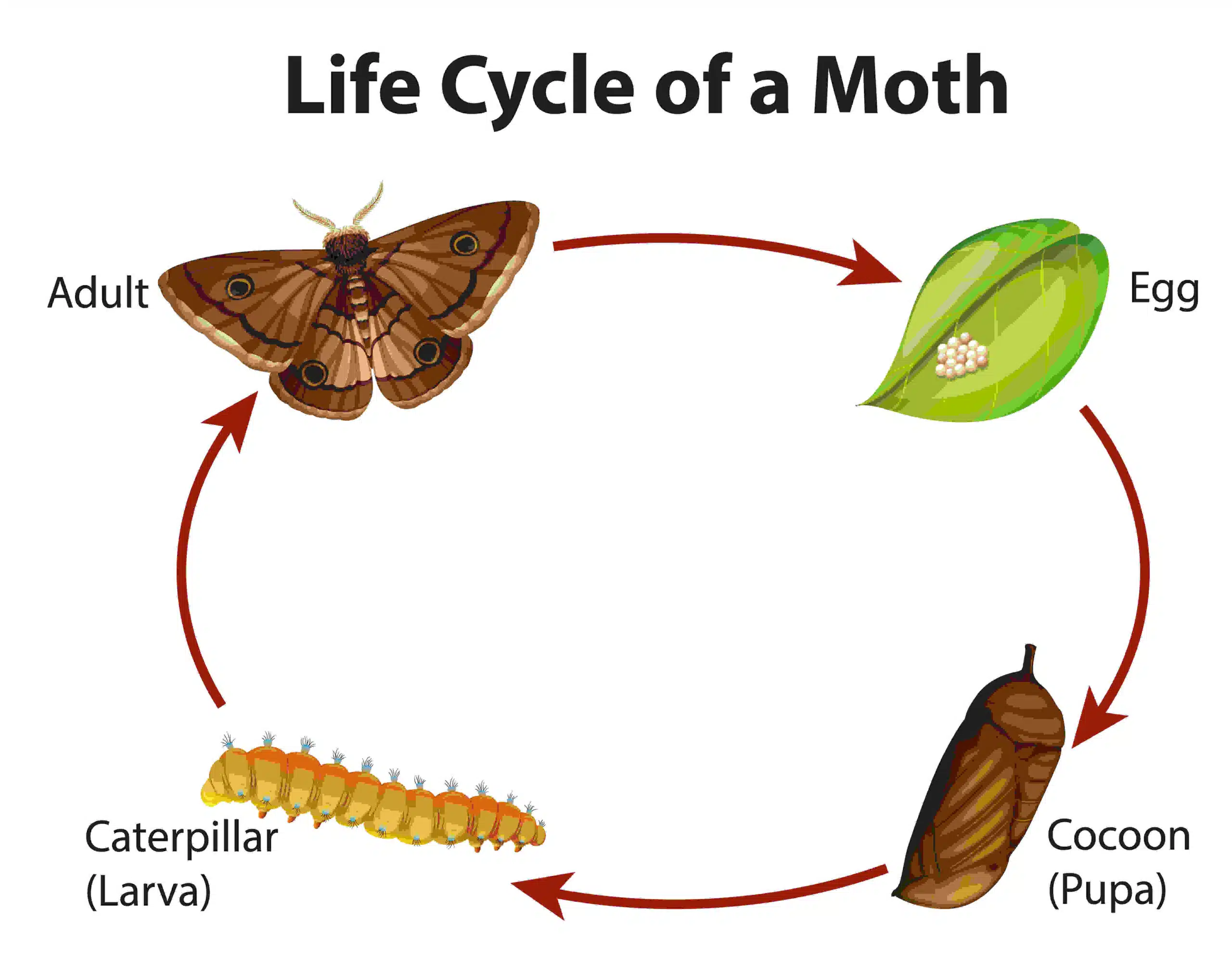
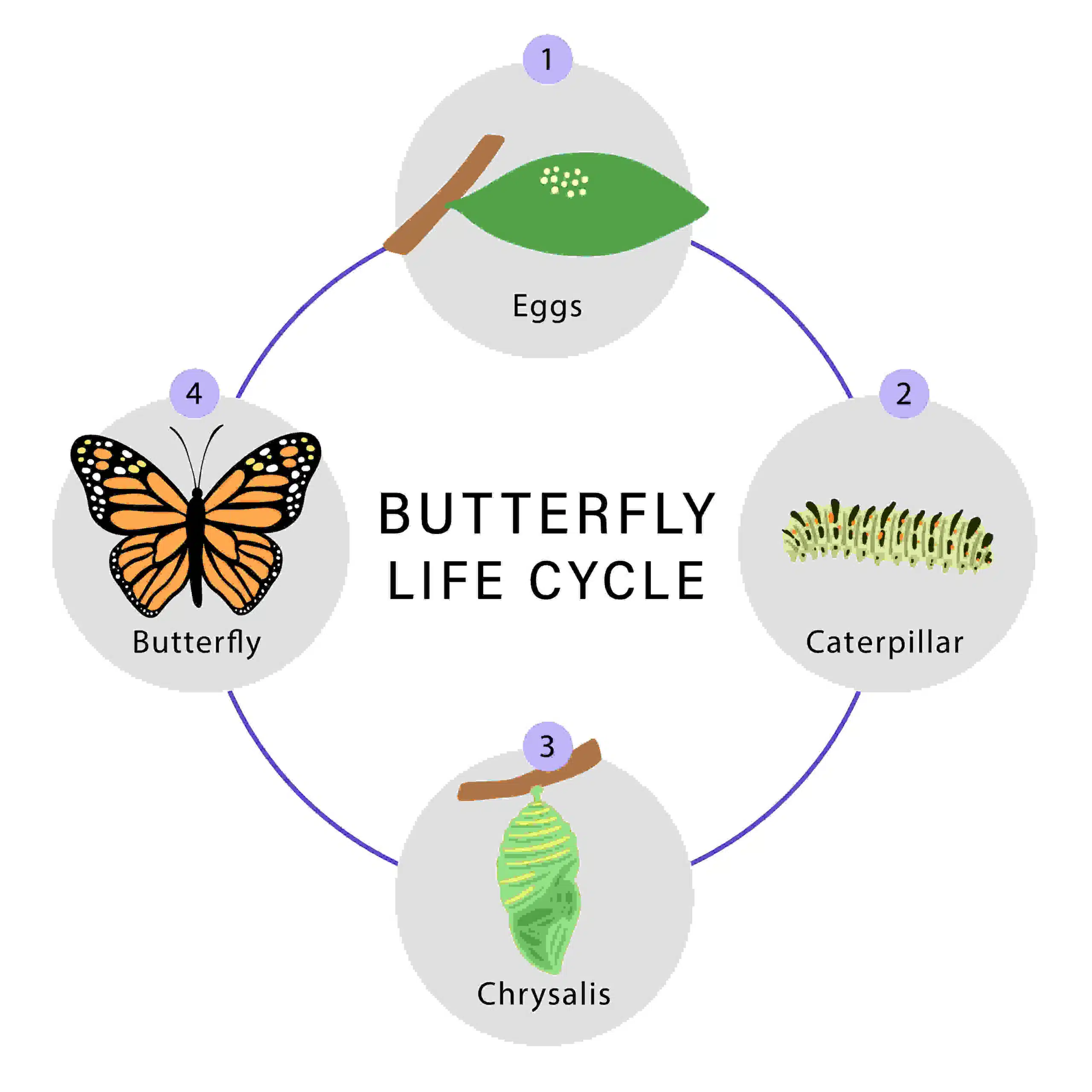
A butterfly's life cycle also undergoes metamorphosis, but in four distinct stages. First, a female butterfly lays tiny eggs on a leaf. Once the eggs hatch, a caterpillar forms and spends its time eating to grow. The caterpillar then forms a chrysalis, or pupal stage, where it cleverly camouflages itself and does not eat at all. Eventually, an adult butterfly emerges from the chrysalis, fully transformed. From there, it's ready to lay eggs of its own and continue the cycle.
A Chicken’s Life Cycle
Unlike frogs and butterflies, chickens do not undergo metamorphosis. Instead, a hen typically lays a batch of fertilised eggs, which she keeps warm until they hatch. After that, the chicks mature gradually over several weeks, growing feathers and gaining independence from their parents. Eventually, they reach adulthood as fully grown adults able to lay eggs of their own.
Living Things Grow in Different Ways
Not every animal follows the same path through life. Oviparous animals, like frogs, butterflies, and chickens, lay eggs that develop outside the parents' bodies. Often, this means little further care from either parent. Viviparous animals, such as most mammals, give live birth instead. Their babies develop inside the mother until they are ready for the outside world. Because of this early protection, these young are usually cared for by their parents for much longer. Still, the cycle of a frog, a mammal, or any other animal follows the same broad pattern. It always moves through birth, growth, reaching adulthood, and eventually having young of its own. Across the animal kingdom, these different life cycles all serve the same purpose: keeping a species going for another generation.
Plants follow a related but distinct life cycle of their own. A plant grows from a seed, then later produces seeds of its own that can grow into new plants. That's part of why animal life cycles and plant life cycles are often taught side by side in the classroom. Even so, this workshop's focus stays firmly on the animal side.
Did you know?
The human life cycle is much slower than that of many of the animals we bring into the workshop. Because of this, it gives children a clear comparison to work from as they learn.
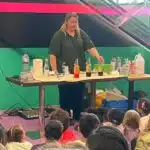
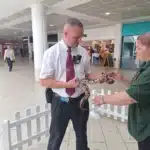
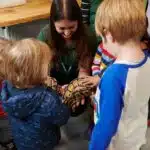
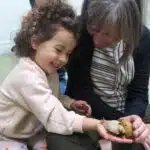
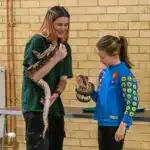
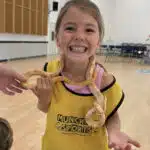
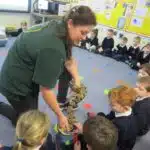
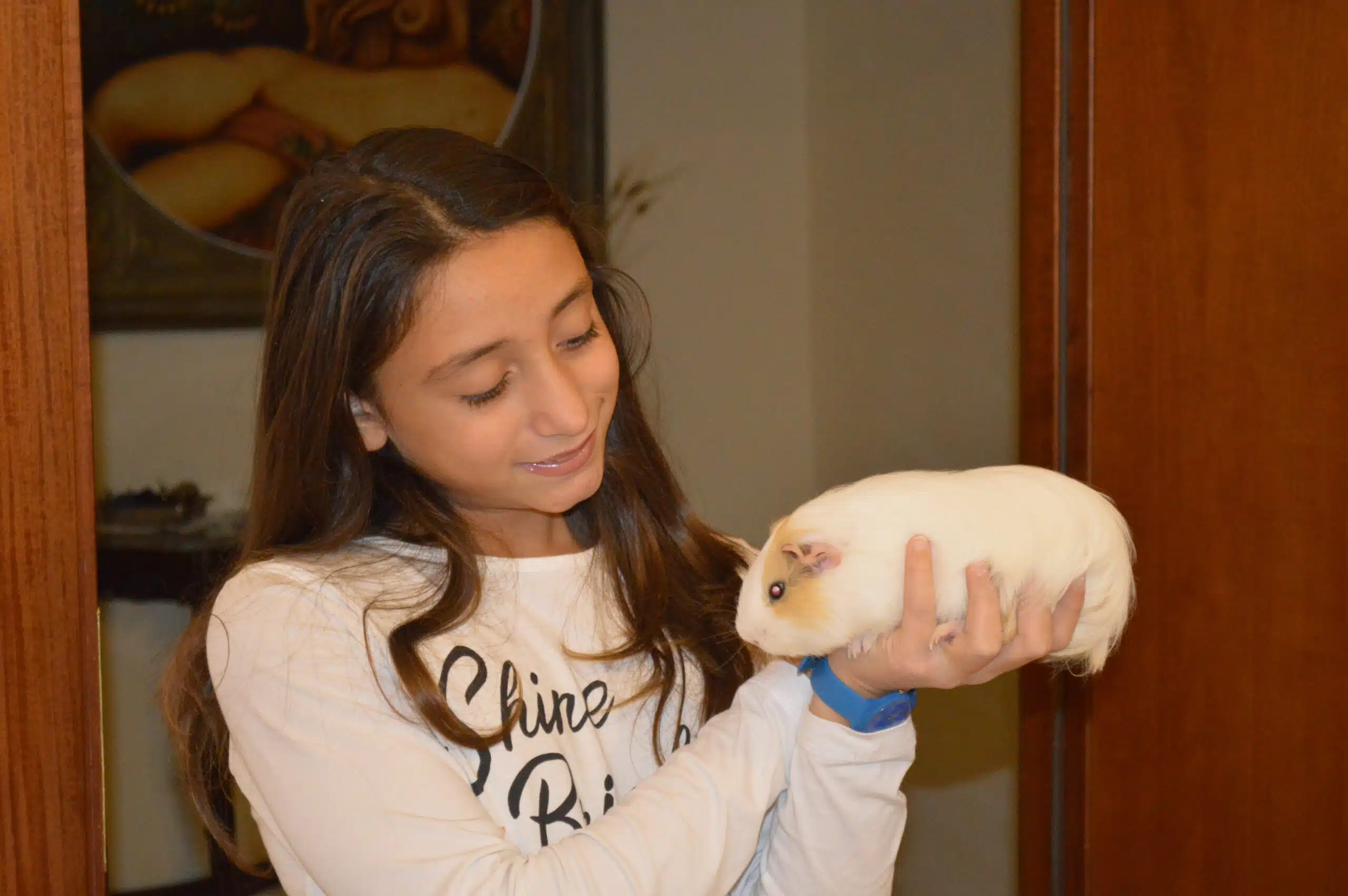
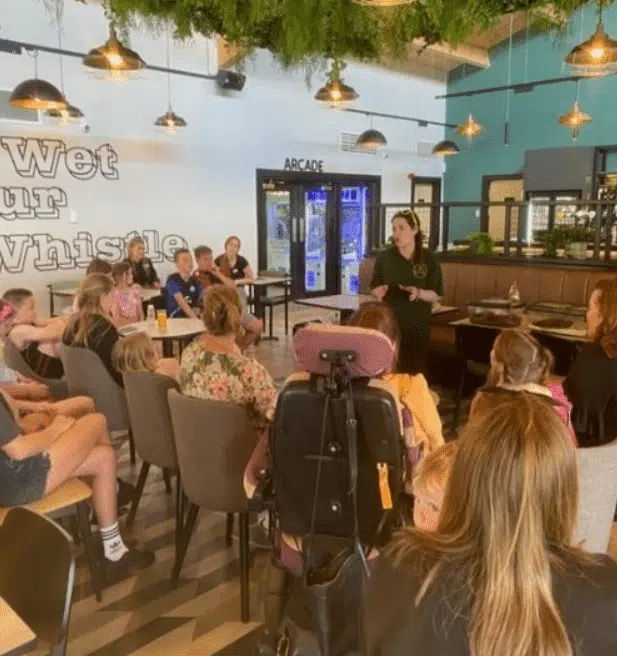
In this workshop, we discuss and display animals with a wide variety of life cycles. At the same time, we give children the chance to touch, hold, and interact with them. We find children learn and retain far more from meeting a real young animal at a particular stage. This beats a worksheet alone. That's why the session is built to engage children of every learning style, from visual to hands-on.
Note: We don’t bring eggs, tadpoles, or early-stage animals to workshops. These stages require specific environments and special care to keep the animals safe. Instead, we bring more mature animals and provide detailed explanations and visuals to show their full life cycle.
To ensure a hands-on and interactive experience, we recommend smaller group sizes. This way, each participant can touch, hold, and observe the animals up close. In larger groups, the learning experience is still interactive. However, physical contact with animals may be limited for practical and welfare reasons.
A Few Fun Life Cycle Facts
- A hen can lay over 300 eggs a year once she reaches around 20 weeks old. That's often at a rate of about one egg a day.
- Frogspawn can contain thousands of eggs laid in the water at once. Even so, only a small number will survive to become adult frogs.
- Mammal gestation varies hugely. The Virginia opossum carries its young for as little as 12 days. In contrast, an African elephant's pregnancy can last up to 22 months.
- Mayflies have one of the shortest life cycles in the animal kingdom. Some adults live for only a day or two.
- Not every young animal that hatches from eggs gets looked after by a parent. Many amphibians and insects fend for themselves from day one. Meanwhile, most bird and mammal parents care for their young until they're much closer to being adults.
- Eggs might look like simple, solid shells, but many are porous. This lets the growing embryo breathe until it's ready to hatch.
Download our Activity Worksheet:
👉 Click here for a free download of the Animal Life Cycle Activity Sheet
What Is the Core Focus?
- What is a life cycle?
- What is metamorphosis?
- Animals that metamorphose
- How do eggs hatch and animals grow into adults?
- What do animals do to grow?
What Animals Are Used?
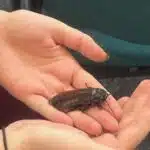
We use a mix of mammals, reptiles, amphibians, and invertebrates for this topic. This gives children a chance to compare life cycles across very different groups of young animals. Exact animals may vary depending on the day, but we always provide a diverse mix. Seeing different species side by side helps children compare them directly. One example is a corn snake next to a giant African land snail. This way, they understand how each one's habitat and stage of life shape what it needs to survive. Some of the animals we bring are already adults, while others are still juveniles. This gives children a chance to compare different stages of the life cycle side by side.
Which Curriculum Topics Does This Workshop Cover?
This session maps onto the Animals Including Humans and Living Things and Their Habitats strands of the National Curriculum. It also links to the broader nature and life-cycle topics covered in Early Years planning. In addition, it touches on food chains. This is because growth and reproduction connect naturally to diet. In turn, that links to what preys on an animal at each stage. We explain how different species lay eggs or give birth to live young. We also cover how they care for their offspring and adapt to their habitats. As a result, pupils leave with a clear picture of how life begins. They also learn how animals start out as babies and grow into adults. Along the way, they see what each one needs to survive. Whether you are booking for a single class or a whole-school visit, we tailor it to the group. Either way, the session fits the ages actually in the room.
Curriculum Alignment
This workshop is built to support what children are already covering in class, not replace it. We deliver it across every stage of education. So, the same core life cycle topic can be adapted for:
- Nurseries and pre-schools, introducing life cycles through simple, sensory exploration during the Early Years Foundation Stage
- Infant and junior schools, matching Key Stage 1 and Key Stage 2 as pupils progress through the science curriculum
- Secondary and high schools: sessions at Key Stage 3 through Post-16. These go deeper into metamorphosis and comparative life cycles
- Colleges and universities, plus adult education or corporate settings: the same subject works well as a hands-on break from screens
Because sessions are led in person rather than pre-scripted, we can adjust the level of detail on the day. This way, it always suits the ages actually in the room.
Safety, Welfare and Compliance
Every Wild Science handler working on this session is DBS-checked. On top of that, all our animals are cared for in line with RSPCA welfare guidelines. Wild Science also holds public liability insurance of at least five million pounds. As a result, schools and venues can book with confidence. Several of our regional experts bring formal science qualifications into the session too. These range from a Zoology degree to a Master's in Bio Veterinary Science. These sit alongside years of hands-on animal-handling experience. We would always rather under-promise on which individual animals attend. Instead, we focus on over-delivering on the quality and safety of the experience itself.
Recommended Session Duration & Ages:
Our Life Cycle Workshop is suitable for children of all ages. This is a common subject taught in schools, and it's well-suited to the topic.
To create the most engaging experience, we suggest a workshop length of 45 minutes to 1 hour. However, if you're eager for more, we're thrilled to extend the duration! We also offer full-day options with 1-hour sessions, perfect for students across all years or for your large events.
Every animal life cycle is different: some go through only a few stages, while others undergo massive transformations.
Book This Workshop
Ready to bring real animal life cycles into your classroom or event? Many of our bookings come from school science weeks and pupil enrichment days. So, get in touch with our team to check availability and talk through group sizes, session length, and curriculum focus.
You can also see how this workshop fits alongside our other primary school sessions. Beyond that, explore our full range of zoo and animal topics. This includes our animal classification workshop and how animals adapt to their habitats and adaptations. You can also read what to expect before your session.
Finally, see what other schools and event organisers have said about working with us on our testimonials page.