



More about Minibeasts
What is a mini beasts?
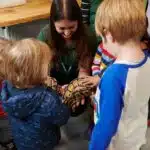
Minibeasts are small invertebrate animals without a backbone. These creatures include insects, spiders, worms, and snails. Despite their small size, they remain essential to every ecosystem on Earth. For instance, they pollinate plants and recycle vital nutrients. Furthermore, they form the base of food chains for birds and amphibians. At Wild Science Mobile Zoo, you can meet real UK minibeasts up close. Our expert handlers will help you discover just how extraordinary these tiny creatures really are.
What Are Minibeasts?
The term "minibeast" is an everyday name for the diverse world of small invertebrates. Scientists usually group these fascinating creatures into five main categories:
- Insects: Six legs, three body segments (head, thorax, abdomen), most have wings.
UK examples: Ladybirds, bumblebees, garden ants, butterflies, moths, earwigs, grasshoppers. - Arachnids: Eight legs, no antennae. Includes spiders, mites and harvestmen.
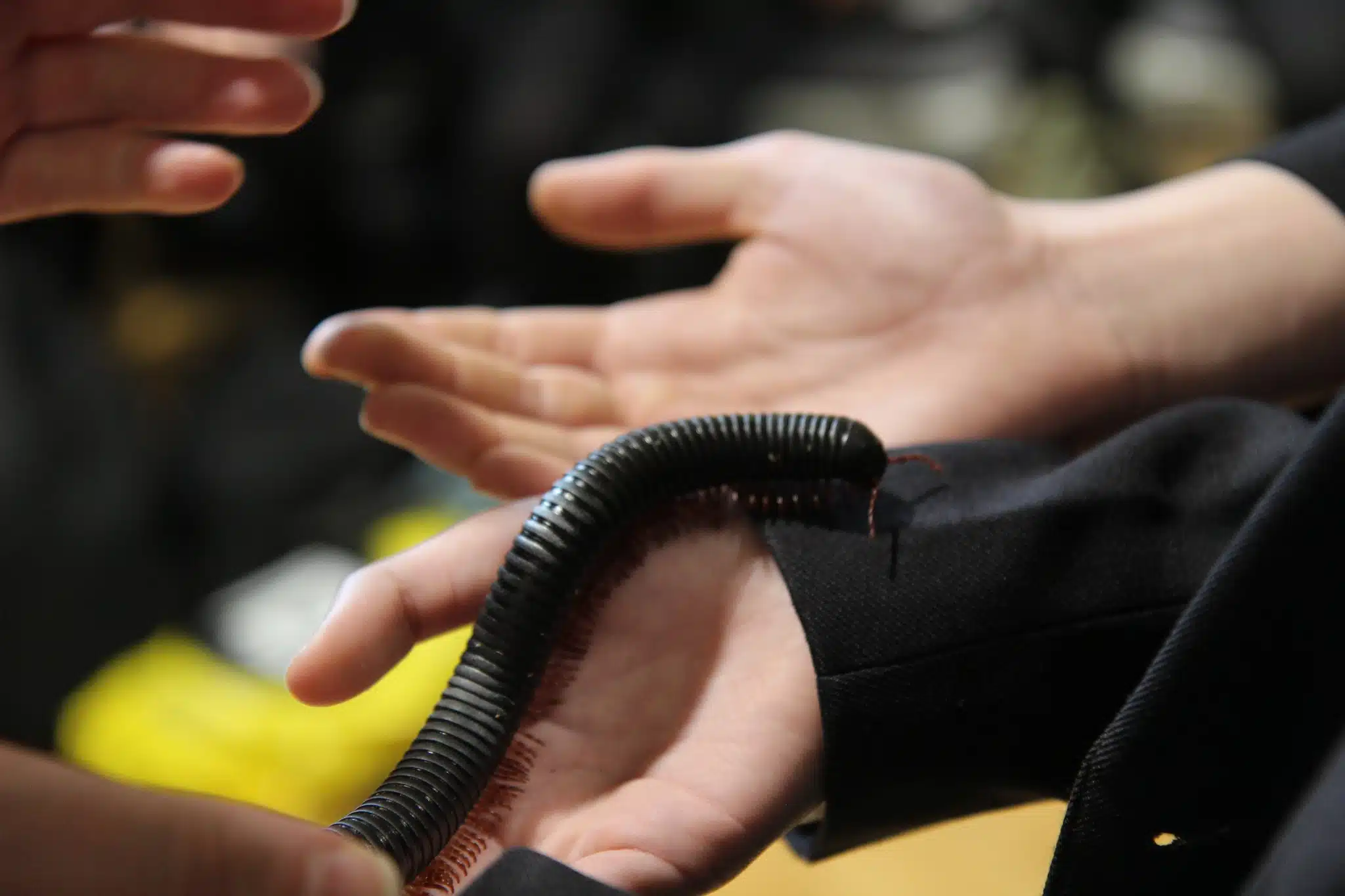
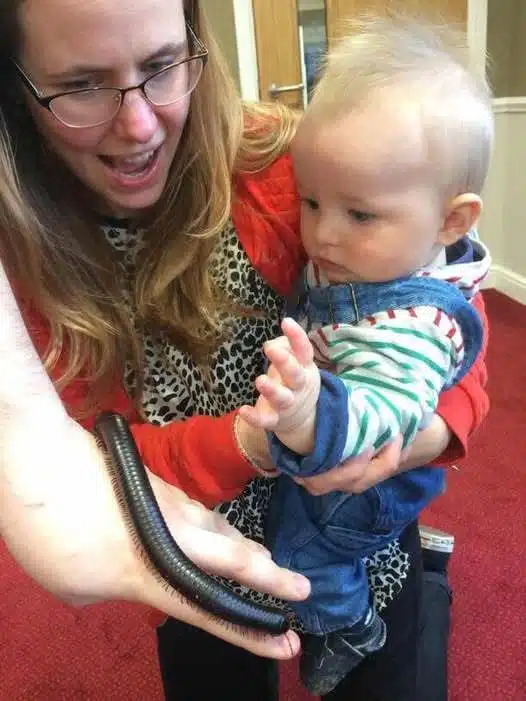
UK examples: Garden spider, house spider, money spider, red spider mite. - Myriapods: Many legs along a long body. Centipedes (1 pair/segment) and millipedes (2 pairs/segment).
UK examples: Common centipede, flat-backed millipede, snake millipede. - Molluscs: Soft-bodied, often with a shell. Thrive in damp environments.
UK examples: Garden snail, leopard slug, great grey slug. - Worms & Others: Earthworms, leeches and woodlice (crustaceans) are commonly grouped here.
UK examples: Common earthworm, woodlouse (pill bug), brandling worm
UK Minibeasts - Native British Species to Spot
Britain is home to over 27,000 species of minibeast - more than all other British animal groups combined. Here are some of the most recognisable UK minibeasts you can discover at Wild Science Zoo and in your own garden:
| Minibeast | Group | Where to Find It |
| 7-spot Ladybird | Insect | Garden plants, meadows |
| Garden Spider | Arachnid | Hedgerows, window frames |
| Bumblebee | Insect | Flowers, meadows |
| Common Earthworm | Worm | Soil, compost heaps |
| Garden Snail | Mollusc | Damp soil, walls |
| House Centipede | Myriapod | Leaf litter, under stones |
| Woodlouse (Pill Bug) | Crustacean | Under logs, damp areas |
| Stag Beetle | Insect | Rotting wood, woodland edges |
| Common Blue Butterfly | Insect | Grasslands, chalk downlands |
| Red-tailed Bumblebee | Insect | Gardens, parks |
Why Do Schools Book Our Minibeasts Workshop?
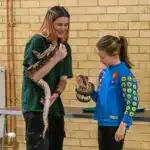
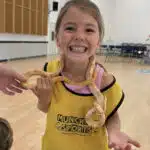
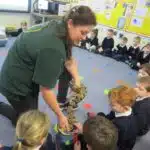
The Wild Science Mini-Beast Workshop provides a hands-on experience designed to bring the national science curriculum to life. We offer a safe and fully-managed session that teachers trust. Consequently, students love the unforgettable nature of our visits. Wild Science brings extensive experience in delivering interactive workshops across the UK. Every session maintains high standards with animal welfare at its core.
What Do Children Learn About Minibeasts?
- EYFS - Understanding the World: Observing living things; talking about features of minibeasts; comparing similarities and differences.
- KS1 Science - Animals Including Humans: Identifying common UK minibeasts; classifying them by observable features (legs, wings, body segments).
- KS1 Science - Living Things and Their Habitats: Exploring where minibeasts live and why; understanding food chains starting with minibeasts.
- KS2 Science - Living Things and Their Habitats: Classification by vertebrates/invertebrates; life cycles of minibeasts including metamorphosis
Which Minibeast Activities Can You Try at Home?
Inspired by your visit? Here are five minibeast activities to continue the learning:
- Go on a Minibeast Hunt: Lift rocks, logs and damp leaves in your garden. Use a magnifying glass and a minibeast identification chart to name what you find. Always return creatures carefully.
- Build a Bug Hotel: Stack bricks, hollow stems, pinecones and straw to create shelter for beetles, solitary bees and earwigs. Place it in a shady, sheltered corner of the garden.
- Set a Pitfall Trap: Bury an old yoghurt pot level with the ground and cover it lightly with a flat stone. Check it the next morning to see which ground-dwelling minibeasts have wandered in - then release them.
- Make a Wormery: Layer soil and sand in a large clear container, add compost and a few earthworms. Cover the sides with dark paper for a week and watch them tunnel.
- Create a Minibeast Fact File: Draw and label the minibeast you find: how many legs? Wings? Body segments? This simple activity covers KS1 classification science objectives.
How Do Minibeasts Sustain Our Ecosystems?
Minibeasts support the health of our planet through essential tasks like pollination and decomposition. Despite their small size, they are vital to every living system.
- Pollination: Bees and butterflies pollinate roughly 75% of the world's flowering plants. This includes most of our essential food crops.
- Soil Health: Earthworms break down organic matter and aerate the ground. Consequently, they release nutrients that plants need to grow strong.
- Food Chains: Minibeasts are the primary food source for birds and small mammals. Without them, entire ecosystems would unfortunately collapse.
- Decomposition: Beetles and woodlice decompose dead plant and animal matter. As a result, they recycle vital nutrients back into the ecosystem.
- Natural Pest Control: Ladybirds and parasitic wasps keep plant-destroying pests under control. For instance, they naturally manage aphid populations.
What Do Children Learn About Minibeasts in the Workshop?
Throughout the our workshop, children explore questions such as:
- What is a minibeast?
- What are invertebrates?
- Why are minibeasts important?
- How do they protect themselves?
- Where do they live?
These simple questions encourage children to investigate and learn through discovery.
Which Minibeasts and Animals Feature in the Workshop?
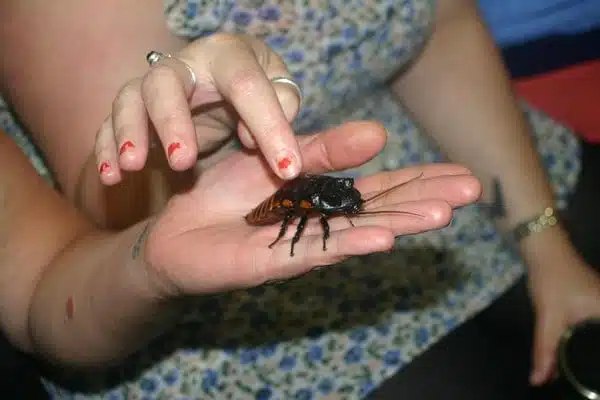
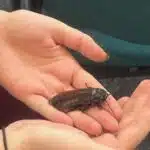
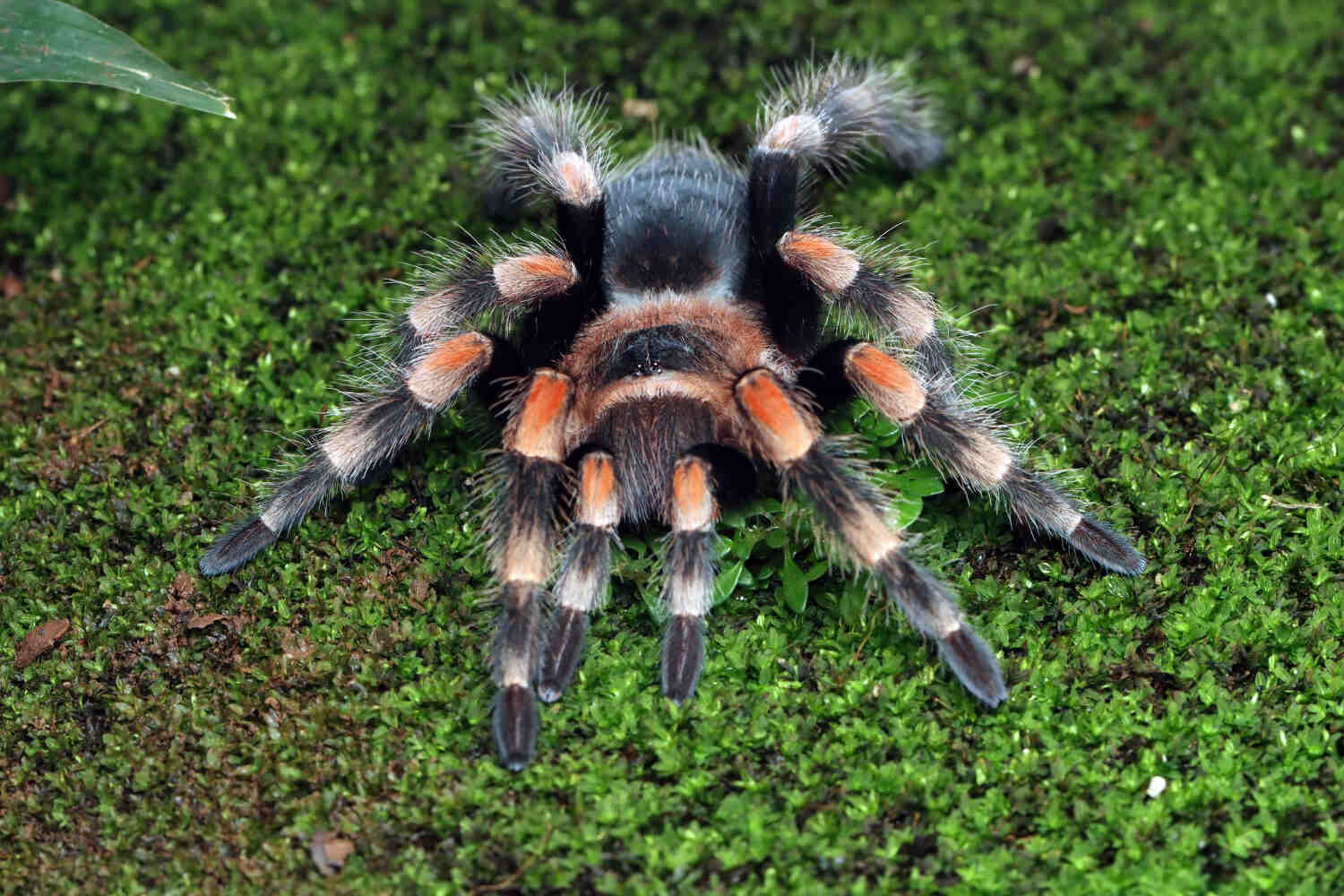
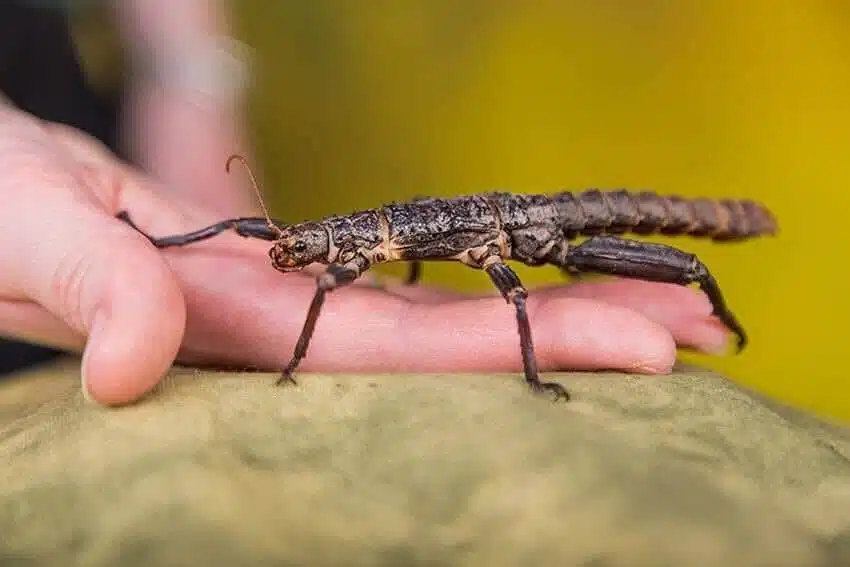
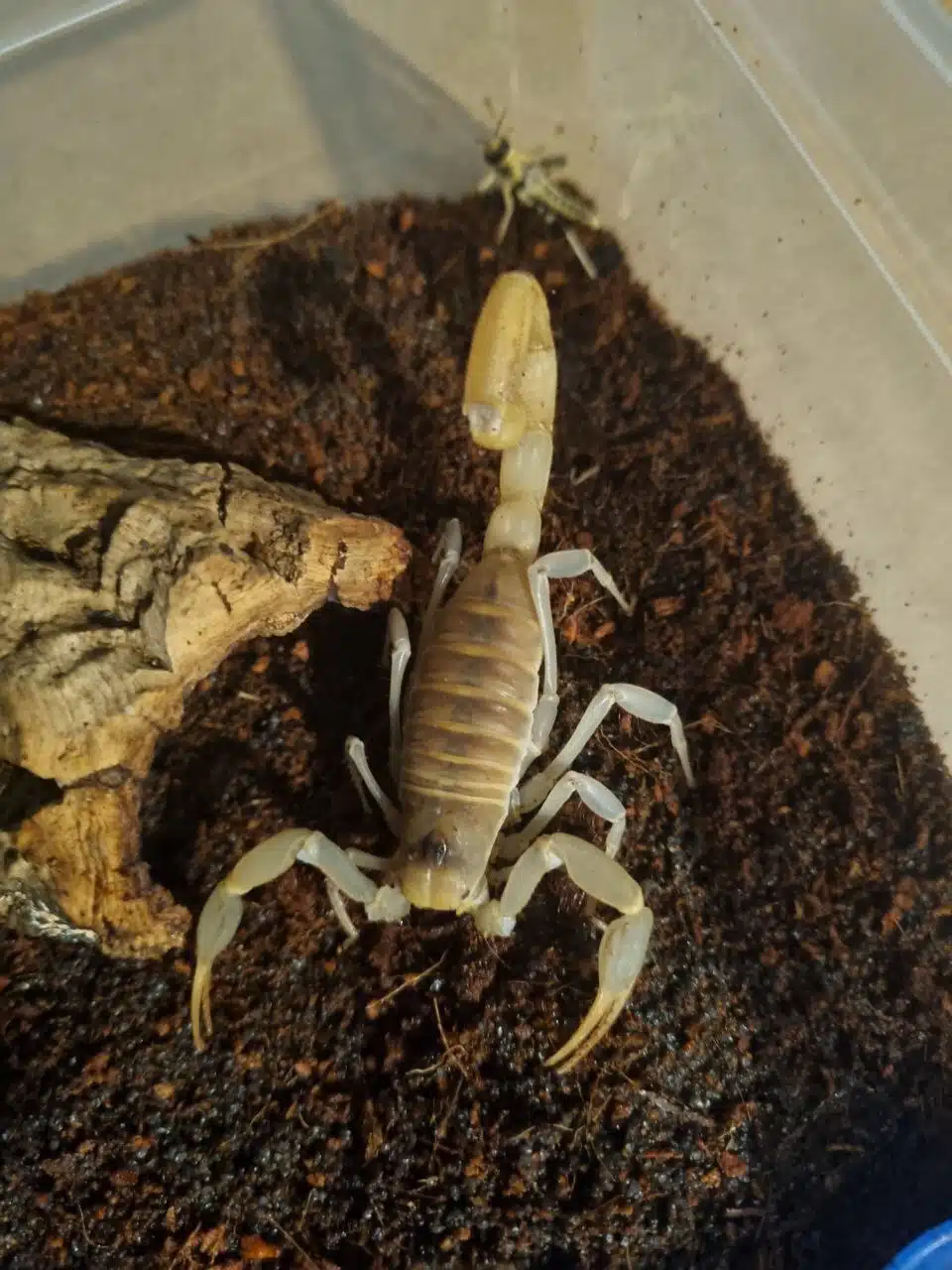
We introduce a variety of fascinating invertebrates including insects and arachnids. These creatures showcase the incredible diversity of the minibeast world.
To help explain classification, we often include a mammal, reptile, or amphibian for comparison.
The animals may vary depending on availability and welfare requirements.
Why Do Schools Choose Wild Science?
Wild Science combines education with hands-on learning. Our experienced presenters make science exciting and easy to understand.
Every workshop supports the national curriculum while encouraging children to explore and ask questions. Furthermore, safety and animal welfare always remain our top priorities.
Free Minibeasts Activity Sheets
Continue the learning after the workshop with our free activity sheets.
- Mini-Beast Activity Sheet – Younger Children
- Mini-Beast Activity Sheet – Older Children
How Long Is the Minibeasts Workshop?
Our Mini-Beast Workshop is perfect for children of all ages. Specifically, it is popular with Nursery, EYFS, KS1, and KS2 groups.
Sessions usually last 45 minutes to 1 hour. Additionally, we can provide multiple sessions during school science days or larger events.
Ready to secure your date? Contact our team today for a quote.
Frequently Asked Questions
Q: What are minibeasts?
A: Minibeasts are small invertebrate animals without a backbone. They include insects, spiders, worms, snails, centipedes and millipedes. The term "minibeast" is widely used in UK primary school science education to describe this broad group of small creatures.
Q: What is the difference between minibeasts and insects?
A: All insects are minibeasts, but not all minibeasts are insects. Insects specifically have six legs and three body segments. Minibeasts is a broader term that also includes arachnids (eight legs), worms (no legs), molluscs (snails, slugs) and myriapods (many legs).
Q: What are the most common minibeasts in the UK?
A: The most common UK minibeasts include the garden spider, 7-spot ladybird, common earthworm, garden snail, bumblebee, woodlouse and common centipede. Britain has over 27,000 invertebrate species.
Q: Are ladybirds minibeasts?
A: Yes! Ladybirds are insects with six legs, three body segments and two pairs of wings, which makes them minibeasts. The 7-spot ladybird (Coccinella septempunctata) is one of the most recognisable UK minibeast species.
Q: What are minibeasts in EYFS?
A: In EYFS, minibeasts are introduced under the Understanding the World strand. Children observe and talk about minibeast features, compare them, and begin to understand habitats. A hands-on minibeast experience directly supports EYFS Development Matters goals.
Q: What are minibeasts in KS1?
A: In KS1 Science, minibeasts appear in the Animals Including Humans and Living Things and Their Habitats units. Children learn to identify common minibeasts, classify them by observable features, and understand how they depend on their habitat to survive.
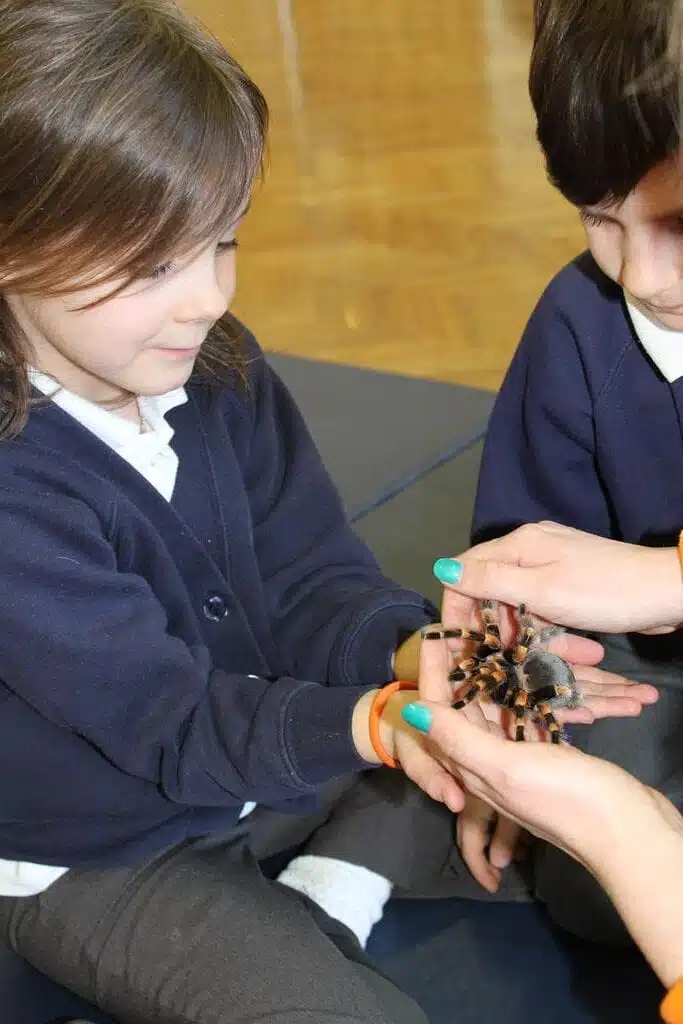
Q: Can children handle creatures during the workshop?
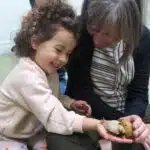
A: Yes, our trained science educators fully supervise all handling sessions. We carefully select gentle and hardy species for these encounters. Consequently, child safety and animal welfare always remain our top priorities.