



What is Earth Day in Schools?
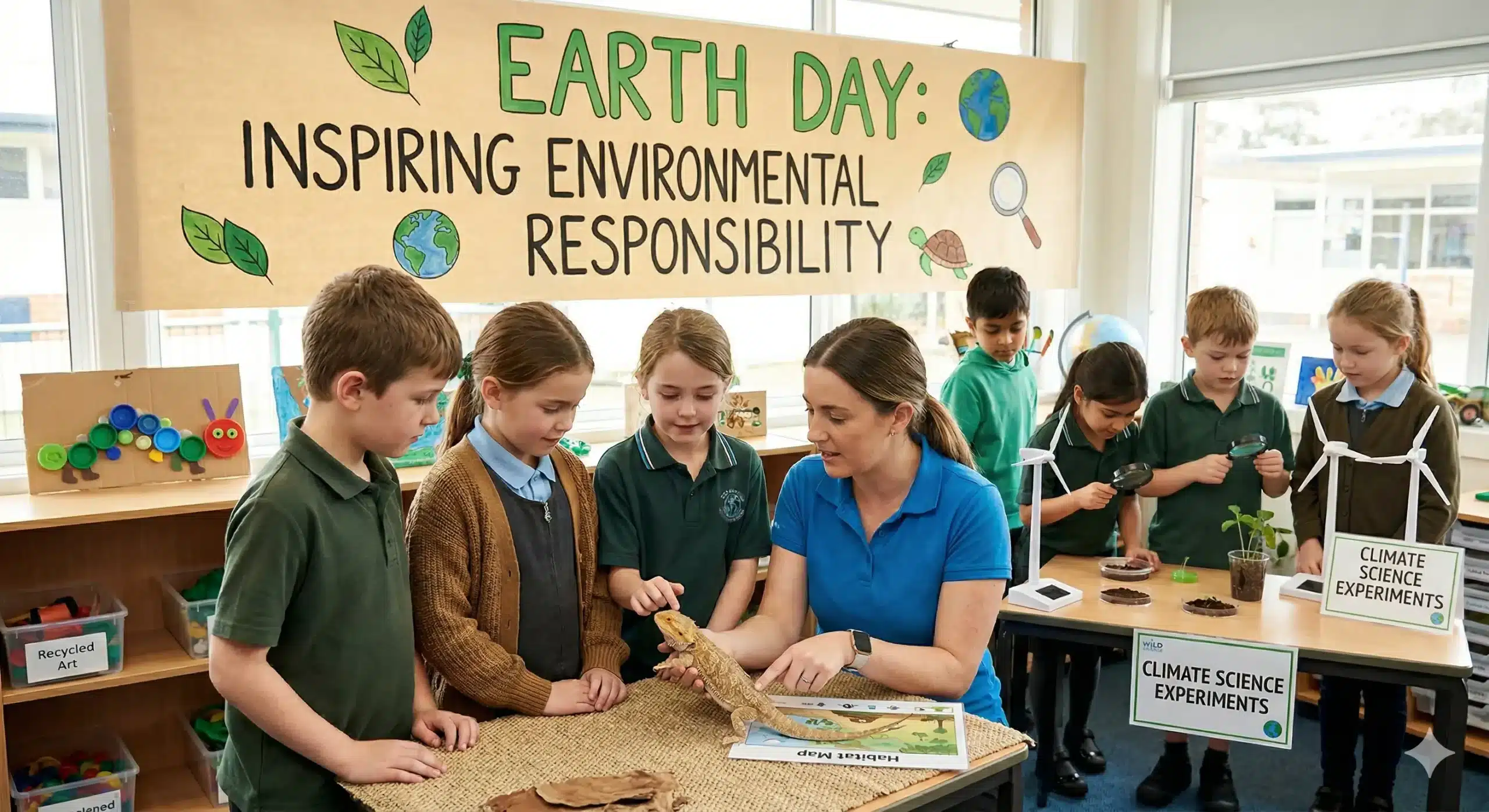
Earth Day in schools is an educational opportunity where students learn about environmental issues, sustainability and how to protect the planet through activities, workshops and discussions. Many schools now include Earth Day Science and Animal Workshops for Schools as part of their celebration. This helps students engage with real-world environmental topics.
Earth Day, celebrated every year on 22 April, is one of the most important global events focused on protecting our planet. It began in 1970 when US Senator Gaylord Nelson organised a nationwide environmental campaign that engaged millions of people. Today, it is celebrated in over 190 countries, including across the UK.
For schools, Earth Day is more than just a themed event. It is a chance to raise awareness about environmental responsibility and help young people understand their role in protecting the natural world.
At a time when climate change, pollution and biodiversity loss are major concerns, schools play a vital role in shaping the next generation. The most effective way to do this is through hands-on learning, where students can explore, question and experience science in real life.
This is where science-based events and workshops become a powerful tool.
Why Earth Day Matters in Schools
Children are naturally curious. Earth Day provides a great starting point to turn that curiosity into meaningful environmental education.
Instead of only reading about environmental issues, students can explore real-life examples. They learn how ecosystems work, how human impact affects the planet and how small actions can create change.
Across England, Scotland and Wales, schools use Earth Day to teach:
- climate change and climate education
- renewable energy and clean electricity
- recycling and reducing waste
- biodiversity and natural habitats
These lessons help students connect science with everyday life. They begin to understand how their own actions - such as saving water or using recyclable materials - can make a big difference.
How Animal Workshops Build Environmental Awareness
Animal encounters help students connect directly with the environment.
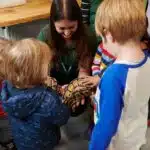
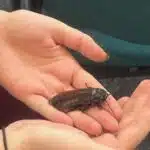
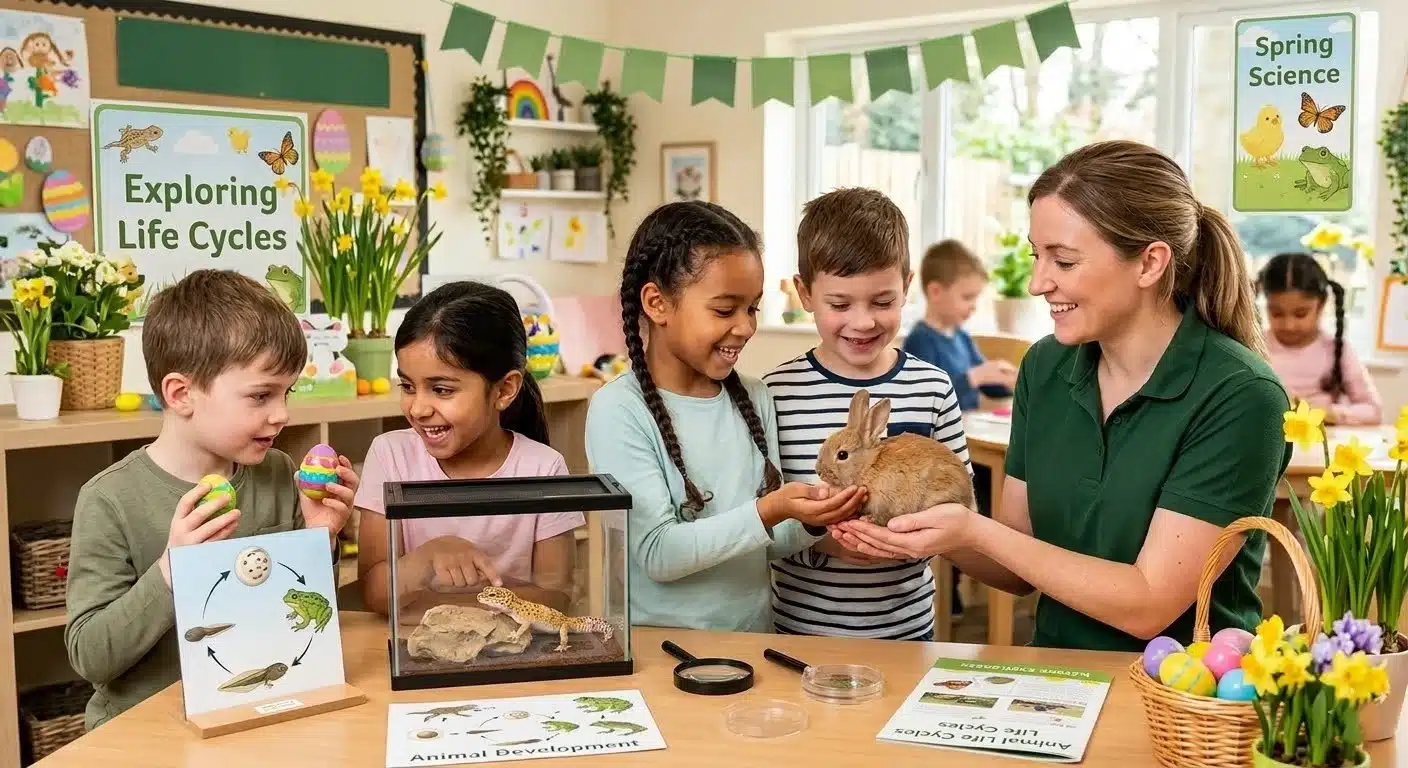
When children meet animals up close, learning becomes personal. They see how living organisms depend on their habitats and how environmental changes affect them.
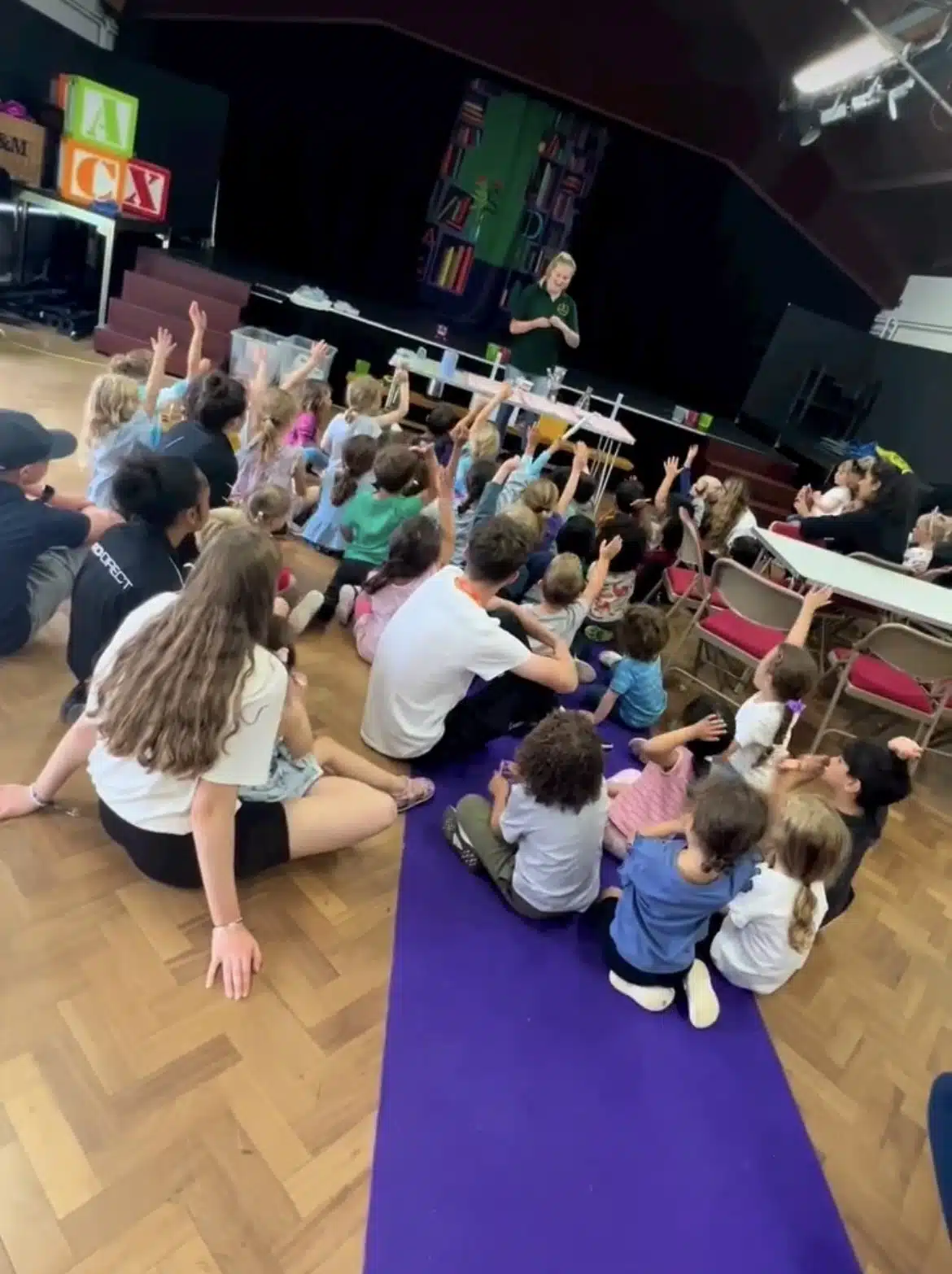
During these animal encounter workshops that help children learn biology, students explore:
- food chains and ecosystems
- animal adaptations and survival
- conservation and environmental impact
This creates meaningful discussions about protecting wildlife and reducing human impact.
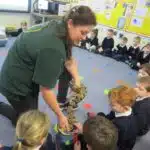
Wild Science delivers animal visits to schools across the UK, making it easy to bring this experience directly into the classroom. Students don’t just learn - they experience the natural world.
Science Workshops That Connect Learning to the Planet
Science workshops for schools help students understand how the environment works.
Instead of memorising facts, students take part in engaging classroom science experiments that explain real-world issues. They may explore water pollution, air quality, or how plants grow in different conditions.
These activities:
- engage students through hands-on learning
- develop problem-solving and critical thinking
- connect science to real environmental challenges
By linking experiments with environmental themes, students begin to see how science shapes the world around them.
Wild Science combines interactive science and natural world workshops with environmental education, helping students explore sustainability in a fun and practical way.
Earth Day Activities That Engage UK Students
Schools can celebrate Earth Day through simple but effective activities that involve the whole class.
Students can take part in:
- nature walks in the local park or school grounds
- planting seeds or tree planting projects
- creating bird feeders using sustainability and materials science activities using recycled materials
- art projects using natural or recycled paper
These activities help younger children explore nature while older students can discuss climate change, sustainability and environmental solutions.
By combining creative and scientific approaches, schools can build a deeper understanding of environmental responsibility.
Encouraging Environmental Responsibility Through Experience
Hands-on learning is one of the most effective ways to teach environmental responsibility.
When students interact with animals or take part in experiments, they begin to understand cause and effect. They see how pollution, waste, and energy use impact the planet.
This leads to:
- increased environmental awareness
- stronger respect for animals and nature
- interest in sustainable living
Instead of abstract ideas, students connect learning to their own lives. They start thinking about how they can reduce waste, protect habitats and contribute to a cleaner environment.
Why Schools Choose Wild Science for Earth Day
Wild Science has been delivering animal education and therapy workshops across the UK since 2014. Our sessions are designed to support schools with engaging, curriculum-linked experiences.
Each mobile animal encounter workshop:
- is delivered by trained, DBS-checked educators
- focuses on safety and animal welfare
- supports science and environmental education
- is adapted for different age groups
Because the workshops are mobile, schools do not need to organise trips or travel. Everything is brought directly to the venue, making planning simple and efficient.
Bringing Earth Day to Life in Your School
Earth Day does not need to be limited to worksheets or classroom discussions. With the right approach, it can become a memorable and impactful experience.
Wild Science provides mobile animal and science workshops across the UK, allowing schools to celebrate Earth Day in a fun, educational, and stress-free way.
There is no need to organise transport or manage complex logistics. From animals to equipment, everything is delivered to your school.
If you want to inspire curiosity, teach environmental responsibility and engage students in a meaningful way, Wild Science workshops can complement events like British Science Week hands-on workshops and offer a complete solution.
Did You Know?
Earth Day is now celebrated by a global generation in over 190 countries. Many schools use this day to raise awareness about environmental issues such as plastic pollution, water usage and air quality.
Even small actions - like using recycled materials, reducing waste, or planting trees - can make a big difference in protecting the planet for future generations.