



More about Minibeasts
What is a mini beasts?
Mini Beasts: Facts, Activities and School Workshops
Minibeasts are small animals without a backbone, such as insects, spiders, snails and worms. This page is for parents, teachers and nursery staff. It explains what minibeasts are, where they live and what they eat.
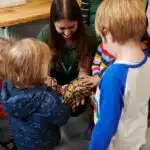
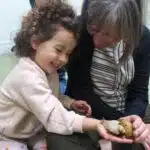
Minibeasts matter because children can find them in almost any garden. They link to EYFS and primary science. They also pollinate plants and break down dead material. In our workshop, children touch, hold and interact with a variety of invertebrates. Contact us to book a minibeast workshop for your school or nursery.
What Are MiniBeasts?
Minibeasts are small animals without a backbone. Scientists call them invertebrates. This group includes insects, spiders, snails, slugs, worms and centipedes. Many people call them creepy crawlies.
Humans, birds and fish are vertebrates. They have a skeleton inside their bodies. Minibeasts do not. Many have a hard covering instead, such as the hard shells of snails and beetles. Minibeast is not a scientific term. It is an everyday name widely used in UK primary schools.
Different Types of Minibeasts
Not all minibeasts are insects. Scientists usually group them like this:
- Insects: Six legs and three body parts (head, thorax and abdomen). Most have wings. UK examples include ladybirds, bumblebees, garden ants, butterflies and earwigs.
- Arachnids: Eight legs and no antennae. This group includes spiders, mites and harvestmen.
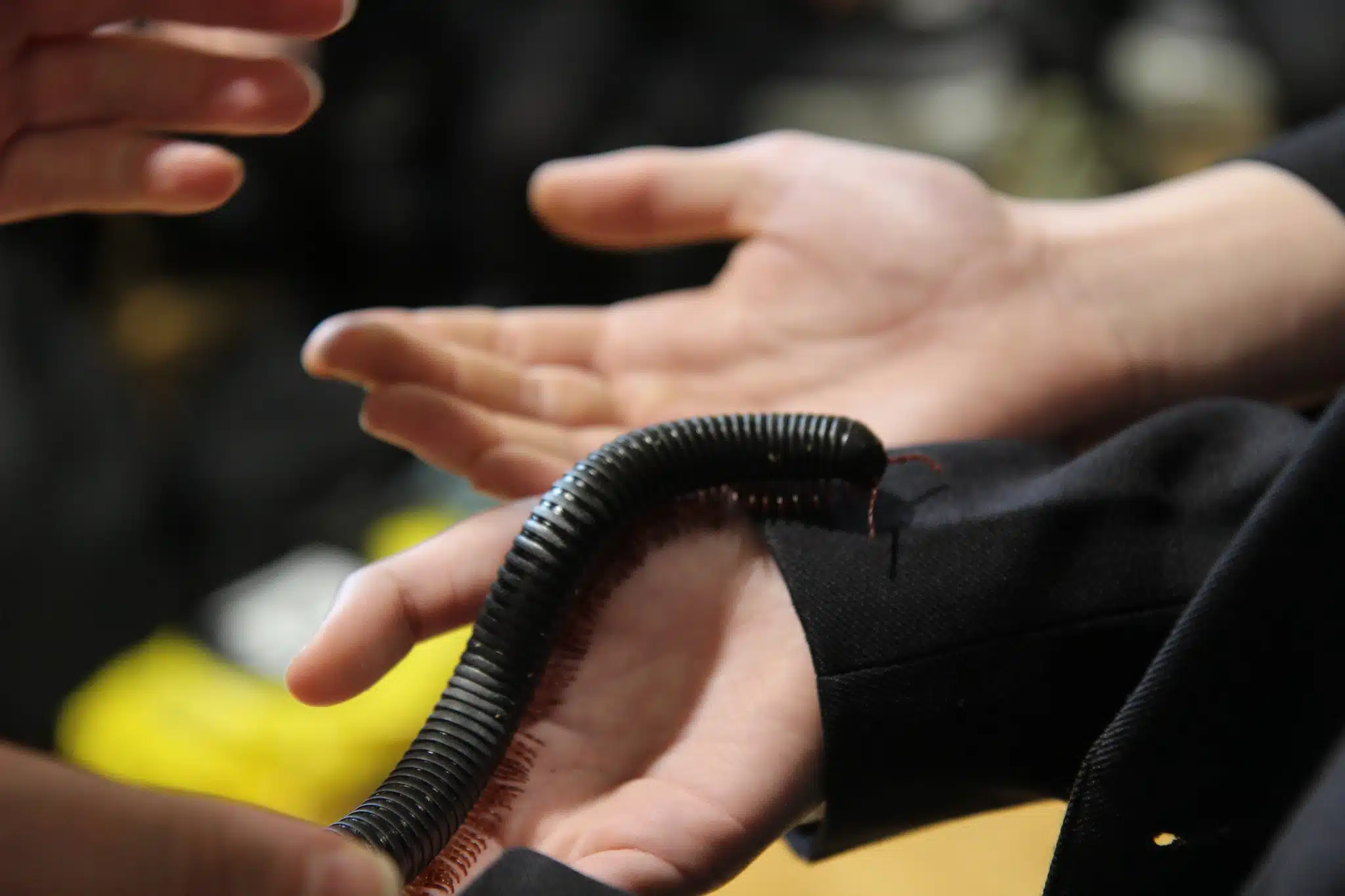
- Myriapods: Many legs along a long body. Centipedes have one pair of legs per segment. Millipedes have two pairs.
- Molluscs: Soft bodies, often with a shell. Garden snails and slugs are molluscs. They like damp places.
- Worms and crustaceans: Earthworms are worms. Woodlice are crustaceans, so they are related to crabs.
Minibeasts with six legs are insects. Minibeasts with eight legs are arachnids.
UK Minibeasts to Spot in Your Garden
About 25,000 types of invertebrates live in the UK. Around 20,000 of them are insects. These are some of the most recognisable UK minibeasts:
| Minibeast | Group | Where to Find It |
|---|---|---|
| 7-spot Ladybird | Insect | Garden plants, meadows |
| Garden Spider | Arachnid | Hedgerows, window frames |
| Bumblebee | Insect | Flowers, meadows |
| Common Earthworm | Worm | Soil, compost heaps |
| Garden Snail | Mollusc | Damp soil, walls |
| Common Centipede | Myriapod | Leaf litter, under stones |
| Woodlouse | Crustacean | Under logs, damp areas |
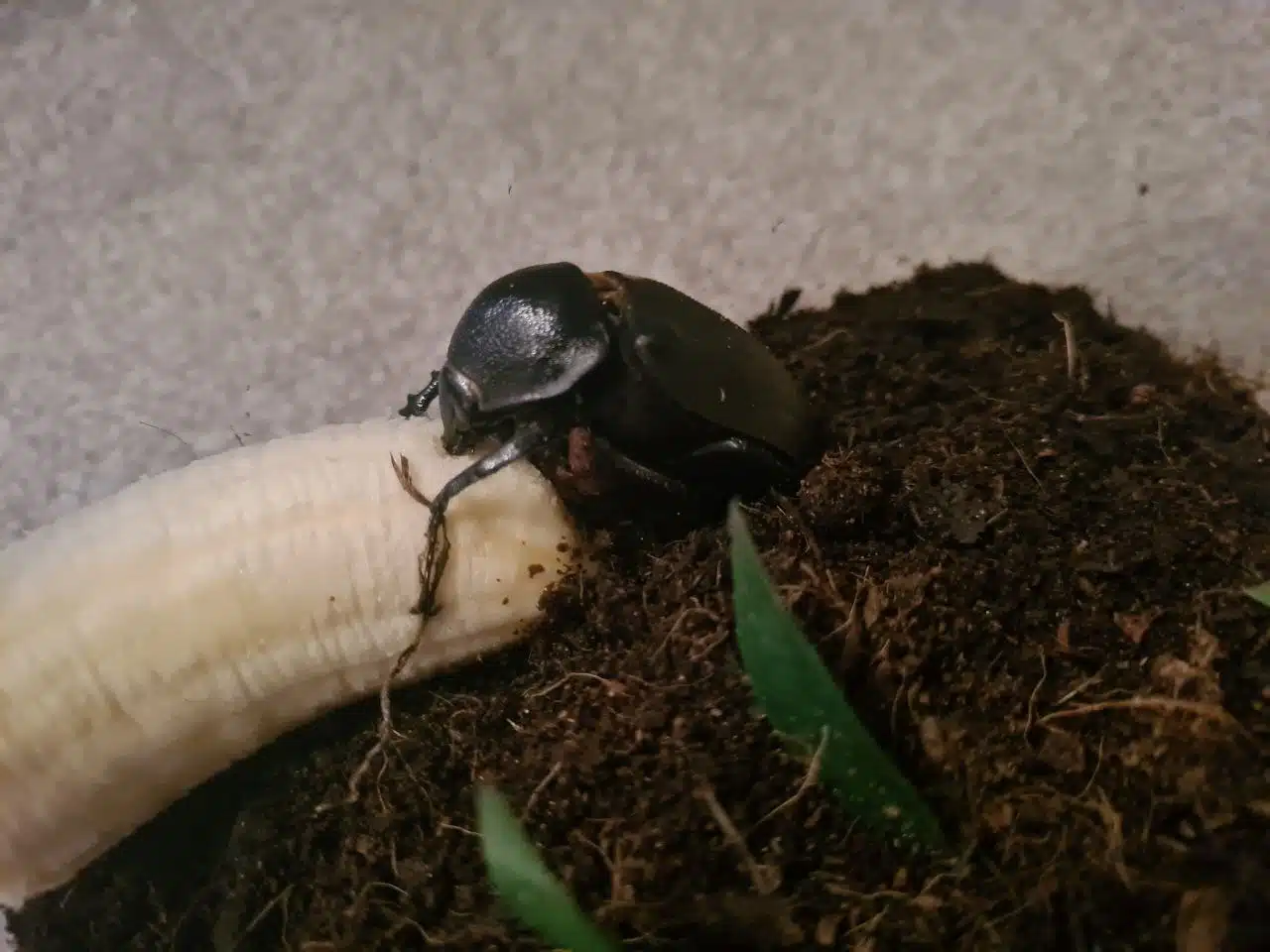
| Stag Beetle | Insect | Rotting wood, woodland edges |
| Common Blue Butterfly | Insect | Grasslands, chalk downlands |
| Red-tailed Bumblebee | Insect | Gardens, parks |
Where Do Minibeasts Live?
Minibeasts live almost everywhere. Look in soil, under logs and stones, among leaves, in grass and on flowers. Some live in bushes and trees. Others live in ponds. Many prefer damp, dark places.
Each small home is called a microhabitat. A rotting log is a good example. Beetles and woodlice shelter in and under it. Learn more about habitats in our science workshops.
What Do Minibeasts Eat?
Minibeasts eat many different foods. Caterpillars eat leaves. Some minibeasts eat other minibeasts. Ladybirds eat aphids. Bees drink nectar and collect pollen. Spiders catch insects. Earthworms pull dead leaves that fall into the soil and feed on them. Woodlice eat decaying plants.
Minibeasts are also food for other creatures. Predators such as birds, hedgehogs, frogs, bats and fish all eat them. This links them together in a food chain. A simple food chain runs from a leaf to a caterpillar to a bird.
How Do Minibeasts Help Our Ecosystems?
Minibeasts do important jobs in every garden and woodland.
- Pollination: At least 75% of flowering plants are pollinated by insects and animals. Bees and butterflies are well-known pollinators.
- Soil health: Earthworms break down organic matter and let air into the soil.
- Decomposition: Beetles and woodlice help to break down dead plants and animals.
- Food for wildlife: Many birds, bats and small mammals rely on minibeasts for food.
- Natural pest control: Ladybirds eat aphids, which feed on garden plants.
Minibeast Activities to Try at Home
Inspired by your visit? These five activities keep the learning going.
Go on a minibeast hunt
Lift logs, stones and damp leaves in your garden. Use a magnifying glass and an identification chart to identify what you find. Always put creatures and logs back carefully.
Build a bug hotel
Stack bricks, hollow stems, pinecones and straw in a shady, sheltered corner. Beetles, solitary bees and earwigs may move in.
Set a pitfall trap
Bury a clean yoghurt pot level with the ground and cover it with a flat stone raised on small pebbles. Check it first thing in the morning. Then release what you find where you found it.
Make a wormery
Layer soil and sand in a large clear container, then add compost and a few earthworms. Cover the sides with dark paper for a week and watch them tunnel. Keep it cool and damp, then return the worms to the garden.
Create a minibeast fact file
Free activity sheet for younger children
A free PDF to keep the minibeast learning going after the workshop.
Free activity sheet for older children
A free PDF to keep the minibeast learning going after the workshop.
Marvellous Minibeasts Workshop for Schools
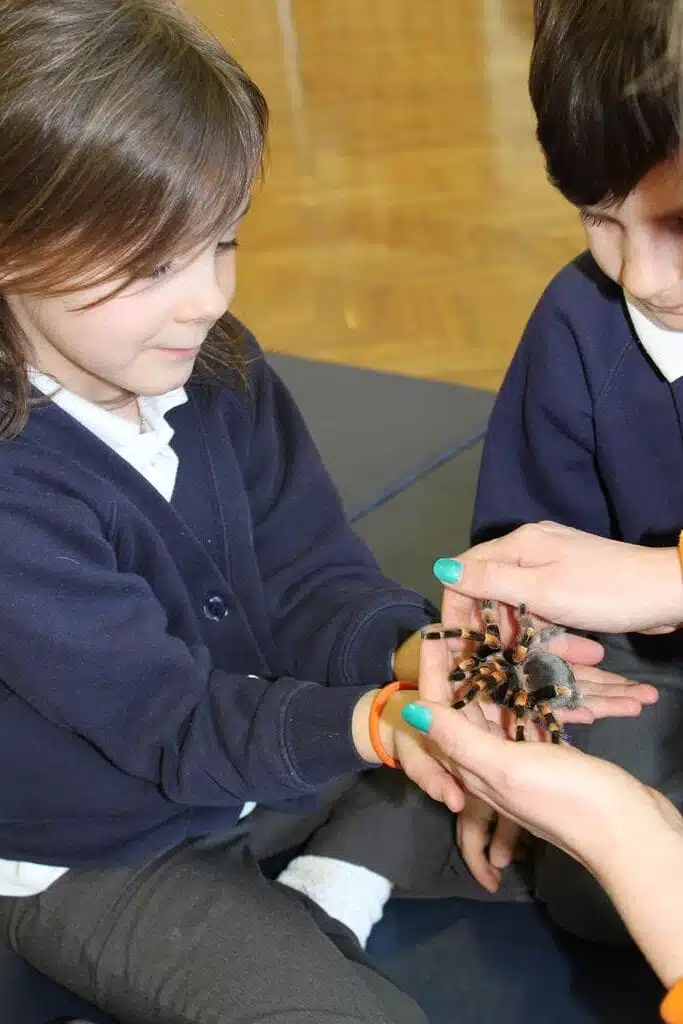
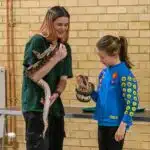
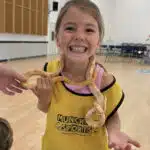
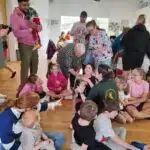
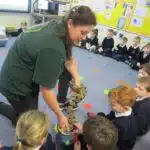
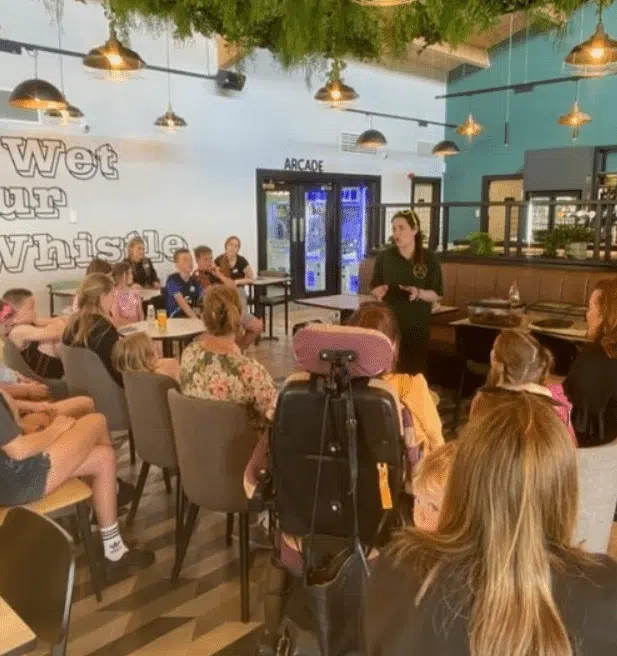
The Wild Science minibeast workshop is a hands-on session for nurseries and schools. Children learn about invertebrates up close and ask questions as they go. Our expert handlers lead each session with animal welfare first.
Children explore questions such as:
- What is a minibeast?
- What are invertebrates?
- Why are minibeasts important?
- How do they protect themselves?
- Where do they live?
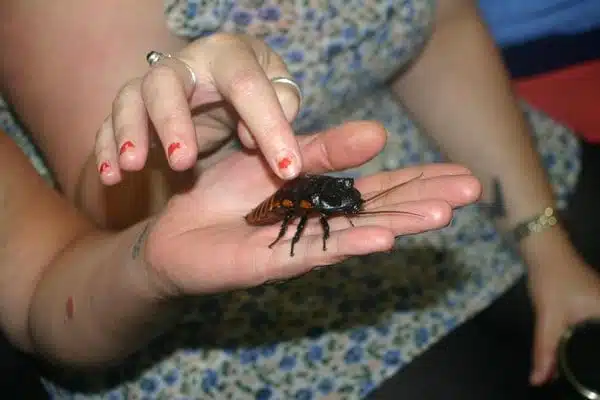
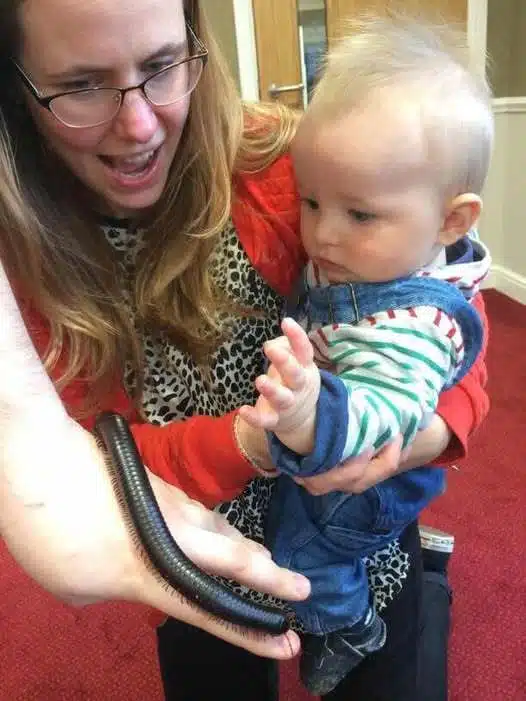
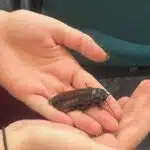
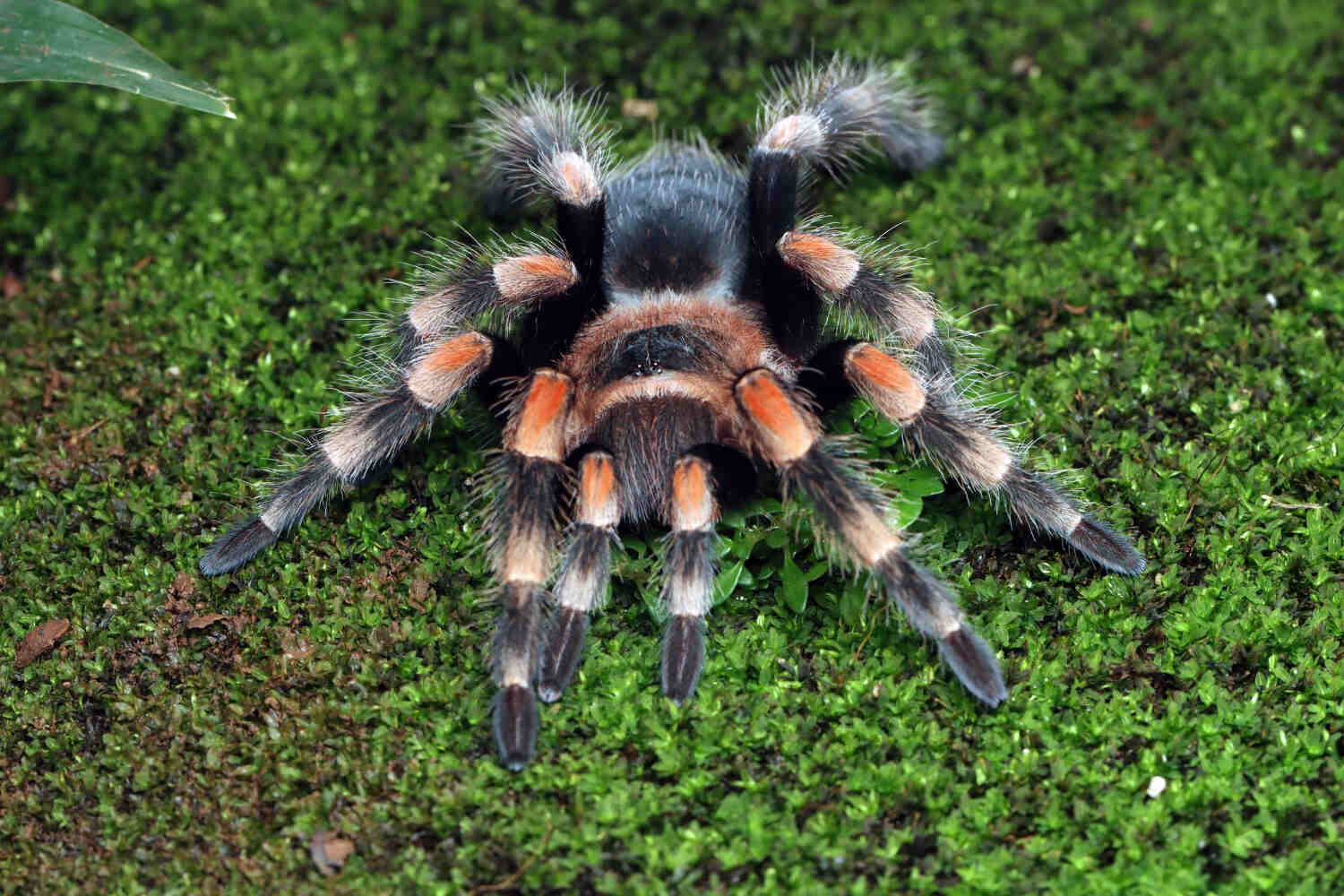
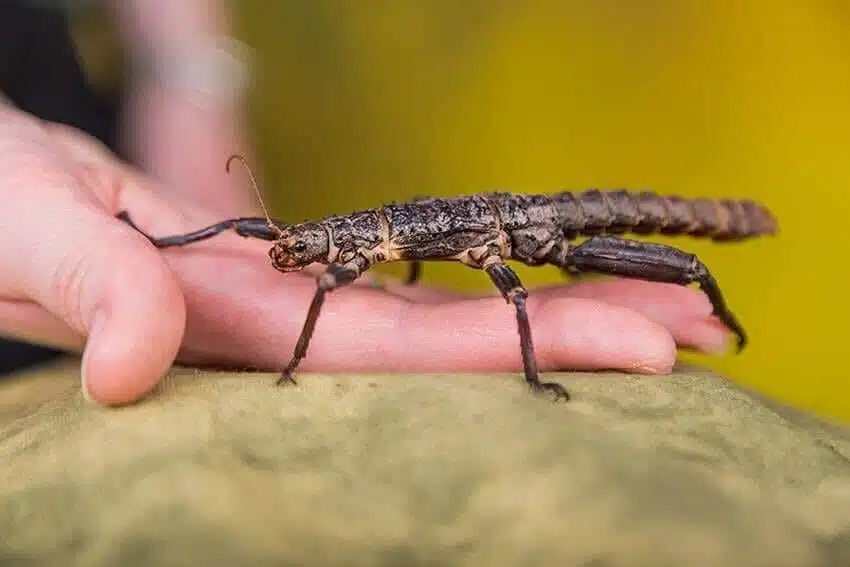
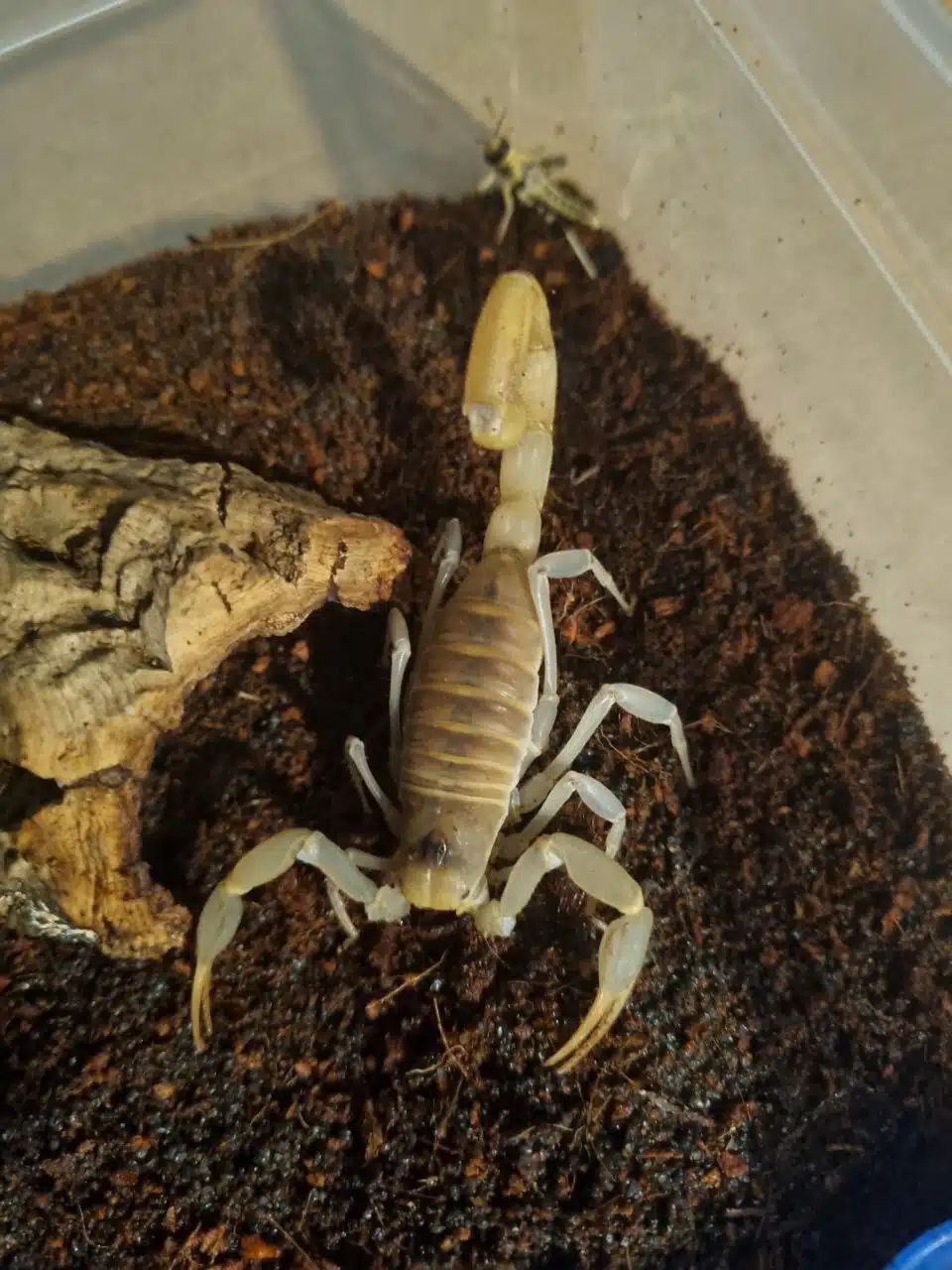
We bring a variety of invertebrates, including insects and arachnids. To help explain classification, we may add a mammal, reptile or amphibian for comparison. Animals vary with availability and welfare needs, so we cannot promise a particular animal. See the kind of animals we may bring on our tarantula, giant African millipede, scorpion and Madagascar hissing cockroach pages. You can also read about the tarantula in our blog, a hero of the creepy crawly world.
Sessions usually last 45 minutes to 1 hour. They suit Nursery, EYFS, KS1 and KS2 groups. We can run several sessions for science days and larger events. Read more about our live animal school workshops or see our primary school visits.
Minibeasts EYFS, KS1 and KS2: What Children Learn
Minibeasts Early Years Foundation Stage (EYFS) topics come under Understanding the World. In KS1 and KS2, minibeast topics link to the national curriculum for science in England.
- EYFS, Understanding the World: Observe living things, talk about their features and compare similarities and differences.
- Year 2, Living things and their habitats: Learn about microhabitats and how animals get food, using a simple food chain.
- Year 4, Living things and their habitats: Use classification keys to group living things. Invertebrates can be sorted into snails and slugs, worms, spiders and insects.
- Year 5, Living things and their habitats: Compare the life cycles of a mammal, amphibian, insect and bird.
Workshops can also support work on adaptations and how animals survive in their habitats.
What Do Schools Say About Our Minibeast Workshop?
"We recently had George visit to deliver our mini-beast assembly with the nursery children, and he was fantastic. As we have two-year-olds, he was incredibly patient, kind, and informative throughout. We would love to welcome George back again next year."
Kerry Adams, Google review
"We had George visit our school today and he was fantastic. He was very knowledgeable and kept the children engaged. The children really enjoyed seeing the different creatures."
Sarah Dines, Google review
Book a Minibeast Workshop
Ready to secure your date? Contact our team today to plan a workshop for your school or nursery.