

Dinosaur Activities for Early Years Foundation Stage (EYFS)
These dinosaur activities EYFS ideas are simple, low cost and easy to set up. They suit nursery, preschool and reception classes. Most use sand, paint, clay and natural materials you already have. Each idea links to the areas of learning, so you can plan with confidence. If you would like a visitor to run a session, Wild Science offers a dinosaur workshop for schools and nurseries. You will find the details at the end.
Why Are Dinosaurs Such a Popular Early Years Theme?
Dinosaurs are an exciting theme for young children. Big names such as Tyrannosaurus rex feel like a fun challenge to say. Children ask how big, how fast and what dinosaurs eat. That curiosity is a great starting point for early scientific thinking.
Dinosaur-themed play also feeds the imagination. Children imagine a world millions of years ago and invent stories about it. This helps them practise language, talk about feelings and play together. It is also easy to link to many EYFS areas at once.
Dinosaur Activities EYFS Teachers Can Try
Here are eight ideas for your nursery or reception class. Choose a few and follow the children's interests. Always supervise play with water, ice, small toys and tools. Check for allergies before any messy play.
Dinosaur Fossil Dig in the Sand Tray
Bury toy dinosaurs, shells or plastic bones in a tray of sand. Give children brushes, spoons and small trowels. They dig carefully and discover each find. Ask them to name the dinosaur or guess what it ate.
This activity builds fine motor skills as children grip tools and brush away sand. It also supports sensory play, because the sand feels dry, cool and gritty. Children use words such as dig, brush and bones, which supports communication and language.
Frozen Dinosaur Eggs
Freeze small toy dinosaurs inside ice in a tub or ice cube tray. These become your frozen dinosaur eggs. Children use warm water, spoons and pipettes to melt the ice and free the baby dinosaur. They might also try a little salt to see what happens.
Frozen dinosaur eggs are a lovely way to explore ice melting. Children predict, watch and talk about what changes. That is early scientific thinking in action. It also gives sensory exploration, as the ice feels very cold. Always use warm water, not hot, and supervise closely.
Our workshop uses a different kind of dinosaur eggs. Children watch fizzy eggs hatch using bicarbonate of soda and vinegar. You can read more in our Fizz, Bang, Pop workshop page.
Dinosaur Footprint Painting
Dip toy dinosaur feet into washable paint. Press them onto large paper to make a trail of dinosaur footprints. Offer different colours and ask which dinosaur made each print. Big feet and small feet make a good talking point.
Footprint painting is a playful way into mark making. Children make marks, patterns and lines before they write. It also links to expressive arts and design, because they choose colours and create their own pictures.
Dinosaur Stories and Songs
Read dinosaur stories together and let children act them out. Pick a favourite picture book and add roaring sounds. Children can retell the story using toy dinosaurs. You can also look at dinosaur pictures and ask what they notice.
Stories and songs help children build vocabulary and listen with care. They also support early literacy, as children follow a story from start to end.
Sorting and Counting Dinosaurs
Collect a basket of toy dinosaurs. Children count them, put them in order by size and match numbers to groups. Add number cards for number recognition. You can also sort them by colour or by what they eat.
Counting dinosaurs makes early maths feel like play. Sorting plant eaters and meat eaters adds a science link. Triceratops and Stegosaurus ate plants. Tyrannosaurus rex ate meat and had sharp teeth. Our page on food chains and food webs is a good next step for older children.
Dinosaur Small World Play
Set up a tuff tray with soil, stones, twigs and fallen leaves. Add toy dinosaurs and let children build their own world. Natural loose parts such as sticks and pebbles make great nests, trees and caves.
Small world play encourages imaginative play and storytelling. Children talk to each other, share ideas and solve small problems. Open-ended materials let every child take the game in a new direction.
Make Your Own Dinosaurs With Clay
Offer clay or playdough, and let children make their own dinosaurs. Some children will roll long tails. Others will pinch spikes and horns. They can also press a toy dinosaur foot into the clay to make a print.
Clay is great for hand strength and fine motor skills. It also lets children create fossils. A fossil print is a nice way to talk about how real fossils form.
Roar and Stomp Dance
Play music and invite children to stomp like a giant dinosaur. Then tiptoe like a small one. Freeze when the music stops. Ask them to move like different dinosaurs.
Roar-and-stomp games build gross motor skills and balance. They help with physical development and give children a chance to burn off energy.
Dinosaur Activities Outdoors
Many dinosaur ideas work well outside. Outdoor learning gives children more space and a different feel. A forest school style session suits dinosaur themes, because children can hunt for sticks, leaves and stones.
Try a dinosaur footprint trail across the grass, or a nest made from natural materials. Children can also dig in a mud kitchen to find buried bones. These ideas support imaginative outdoor play and encourage children to explore nature. Keep an eye on the weather and have spare clothes ready for messy play.
How Dinosaur Activities Support the EYFS Areas of Learning
The EYFS statutory framework sets out seven areas of learning. Dinosaur play can touch all of them. These are the EYFS areas, with a dinosaur example for each:
- Communication and language: Retell a dinosaur story and use words such as herbivore and fossil.
- Personal, social and emotional development: Take turns in the fossil dig. Talk about feeling brave or shy around a big dinosaur. This supports emotional development.
- Physical development: Stomp, dig, brush and paint to build motor skills.
- Literacy: Share stories and make marks with dinosaur footprints.
- Mathematics: Count, sort and compare dinosaurs by size.
- Understanding the world: Talk about fossils, long ago and what dinosaurs ate.
- Expressive arts and design: Paint, model with clay and act out a dinosaur story.
Dinosaur Activities for Older Children and KS1
Many of these ideas work for older children too. Make them harder by adding measuring, writing and simple research. Year 1 pupils can name carnivores, herbivores and omnivores. Year 3 pupils can learn how fossils are formed. Both topics appear in the national curriculum for science.
Our nursery and pre-school science workshops page shows more ways to bring science into early years.
Dinosaur Facts to Share With Children
Short facts spark questions. Here are some to share:
- Dinosaurs lived millions of years ago.
- Fossils are the remains or marks of living things kept in rock.
- Tyrannosaurus rex ate meat and had sharp teeth.
- Triceratops and Stegosaurus ate plants.
- Some dinosaurs had feathers.
Ask children to find out more from books, pictures or a visitor. Learning sticks when children can touch, talk and play.
Want a Dinosaur Workshop at Your Nursery or School?
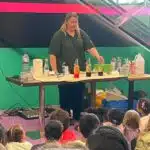
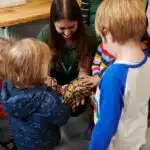
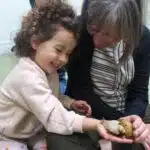
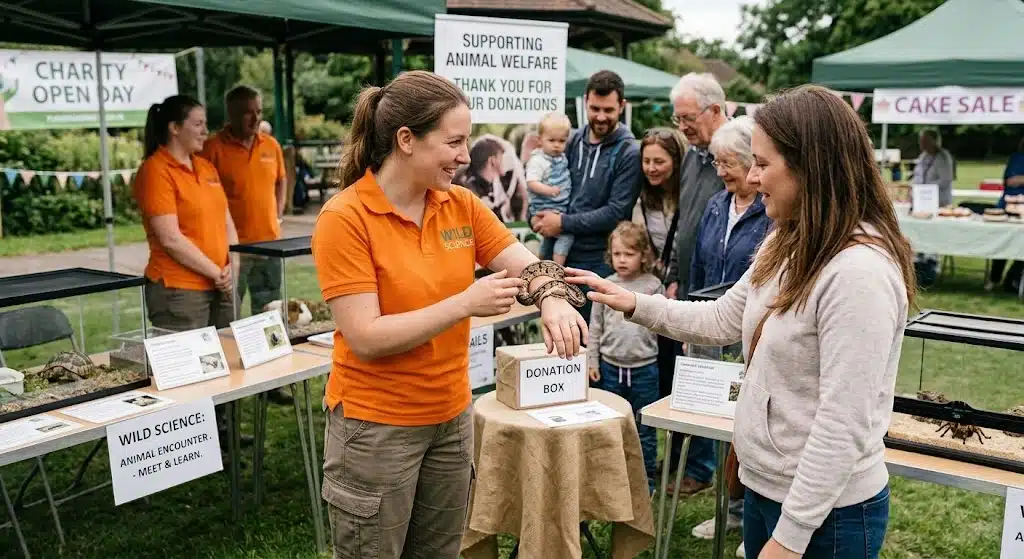
Wild Science brings a dinosaur workshop to your setting. Children hatch fizzy dino eggs, learn what herbivores, carnivores and omnivores eat, and dig for puzzle pieces. A friendly presenter leads the hands-on session. It is designed for children aged 6 and under, and we can customise it for older groups. Sessions usually last 45 minutes to 1 hour.
Read more about dinosaur workshops for schools, or see our page for nurseries and preschools. You can also download our free dinosaur activity sheet. To check a date, contact our team or call 03301131136.